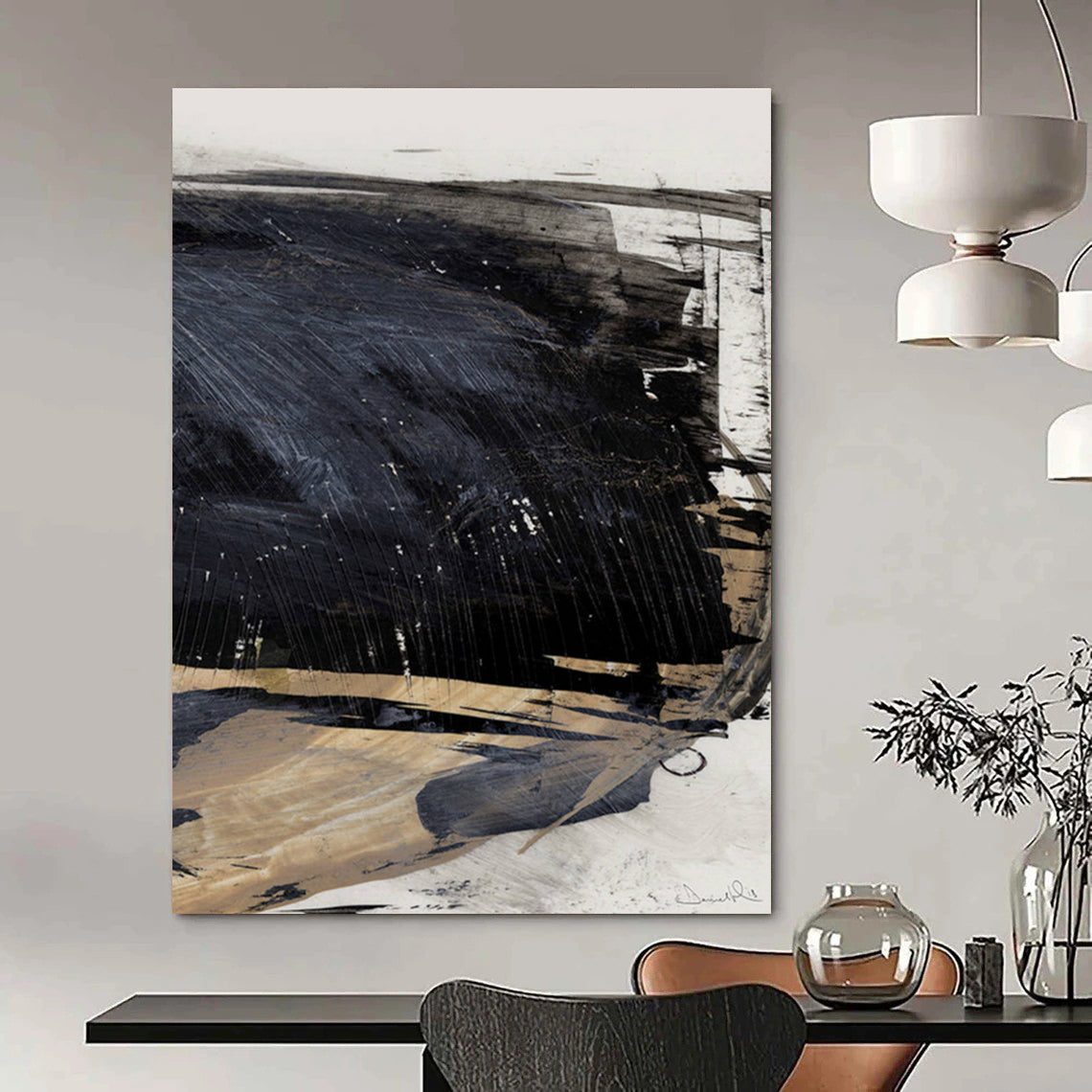

The bedroom serves as a personal retreat, a space where one unwinds, reflects, and rejuvenates. In this haven, the walls play a pivotal role in setting the tone, influencing mood, and enhancing overall ambiance. Bedroom Wall Art emerges as a versatile and impactful element in interior design, offering endless possibilities to infuse personality, color, and texture into this intimate environment. Whether opting for serene abstracts that evoke tranquility or bold statements that spark energy, the right artwork can transform a mundane room into a captivating oasis. This comprehensive exploration delves into the essence of bedroom wall art, its historical roots, selection strategies, current trends, and practical tips, drawing from expert insights and timeless principles to help curate a space that resonates with individual style.

Historically, wall art in bedrooms has evolved from mere decoration to a form of self-expression. In ancient civilizations, murals and tapestries adorned sleeping quarters, symbolizing status and storytelling. The Renaissance period saw intricate frescoes depicting mythological scenes, while the Victorian era favored ornate framed portraits. Fast-forward to the modern age, and the focus shifts toward simplicity and abstraction. Abstract art, which emphasizes shapes, colors, and forms over realistic representation, has become particularly popular in bedrooms for its calming, non-intrusive qualities. Pioneered by artists like Wassily Kandinsky and Piet Mondrian, this style allows viewers to project their emotions onto the canvas, fostering a sense of peace ideal for restful spaces.
Building on this, the mid-20th century introduced abstract expressionism, a movement characterized by spontaneous, gestural brushstrokes and emotional depth. Artists such as Jackson Pollock and Mark Rothko revolutionized how art interacts with personal environments, making large-scale pieces a staple in contemporary bedrooms. Today, these influences manifest in diverse forms, from minimalist line drawings to textured canvases that add dimension. The key lies in understanding how such art complements the bedroom's function—promoting relaxation while stimulating subtle inspiration.
When selecting bedroom wall art, consider the room's existing palette and layout. Neutral tones like soft grays, beiges, and pastels create a soothing backdrop, allowing artwork to stand out without overwhelming the senses. For instance, a large abstract piece in muted blues and whites can mimic the serenity of ocean waves, ideal for coastal-themed bedrooms. Conversely, vibrant accents in reds or yellows might energize a space but should be used sparingly to avoid disrupting sleep patterns. Size matters too; oversized art above the headboard draws the eye upward, making ceilings appear higher and rooms more spacious. Smaller gallery walls, arranged in grids or organic clusters, offer flexibility for mixing prints, photographs, and even three-dimensional elements like macramé or shelves.
Expert designers emphasize harmony between art and furniture. A wooden bed frame pairs beautifully with organic, nature-inspired prints, while sleek metal headboards align with geometric abstracts. Lighting plays a crucial role—strategic placement of sconces or LED strips can highlight textures, turning flat canvases into dynamic focal points. For those seeking inspiration, bedroom wall decor ideas from renowned publications showcase innovative approaches, such as layering fabrics over walls or incorporating mirrored elements for added depth. These suggestions underscore the importance of personalization; art should reflect one's tastes, whether through custom commissions or curated collections.

Trends in bedroom wall art evolve with cultural shifts and technological advancements. In recent years, sustainability has taken center stage, with eco-friendly materials like recycled canvas and non-toxic paints gaining traction. Digital art, printable and customizable, allows for affordable updates without compromising quality. Botanical motifs remain perennial favorites, bringing the outdoors in and promoting biophilic design principles that enhance well-being. Metallic accents, such as gold leaf or silver foils, add a touch of luxury, especially in minimalist settings where they catch light and create subtle shimmer.
Another rising trend is the integration of multifunctional art. Pieces that double as acoustic panels reduce noise in urban bedrooms, while illuminated artworks serve as nightlights. Cultural fusion is also prominent, blending Eastern minimalism with Western boldness—think Japanese ink washes alongside bold color blocks. For deeper historical context, exploring abstract art reveals how non-representational forms have influenced modern interiors, encouraging experimentation with asymmetry and negative space.
Practical considerations extend to installation and maintenance. Hanging art at eye level—about 57 inches from the floor to the center—ensures optimal viewing. Use museum-quality hooks for heavier pieces to prevent damage. In humid climates, opt for UV-protected glass to preserve colors. Budget-wise, options abound; thrift stores and online marketplaces offer gems, while galleries provide investment pieces. For those building a collection, start with a statement item and layer complementary works over time.
Incorporating art into small bedrooms requires ingenuity. Vertical arrangements maximize wall space, and slim frames prevent clutter. Mirrors disguised as art amplify light and illusion of size. Children's bedrooms benefit from whimsical, educational prints that evolve with age, fostering creativity. Guest rooms, meanwhile, thrive on neutral, welcoming art that appeals broadly.
The psychological impact of bedroom wall art cannot be overstated. Colors influence mood—blues and greens for calm, earth tones for grounding. Studies show that viewing art reduces stress, making it a therapeutic tool. Personal photos or travel mementos add sentimental value, turning walls into memory lanes. In shared spaces, collaborative selection strengthens bonds, ensuring the art resonates with all occupants.
Looking ahead, virtual reality previews allow trying art in situ before purchase, democratizing design. Augmented reality apps overlay pieces on walls via smartphones, aiding decisions. Sustainability will drive innovations like biodegradable frames and plant-based inks. As remote work blurs boundaries, bedrooms increasingly double as offices, necessitating versatile art that transitions from rest to productivity.
Ultimately, bedroom wall art is about creating a narrative. It whispers stories of journeys, dreams, and aspirations, enveloping one in comfort. Whether sourcing from local artisans or global platforms, the goal is authenticity. For comprehensive inspiration, wall decor ideas from design authorities offer timeless guidance, blending classic and contemporary elements seamlessly.
Exploring further, bedroom wall decor ideas highlight practical applications, from gallery walls to sculptural installations. These resources empower anyone to elevate their space, proving that thoughtful art choices yield profound transformations.
(Word count: 1528)
FAQ
What types of wall art are best for bedrooms? Serene abstracts, botanicals, and minimalist prints promote relaxation, while avoiding overly stimulating designs.
How do I choose the right size for bedroom wall art? Aim for pieces that cover two-thirds of the wall space above the bed or furniture for balanced proportions.
Can wall art improve sleep quality? Yes, calming colors and themes can reduce stress, contributing to better rest.
Where can I buy quality bedroom wall art? Reputable online galleries and custom shops offer diverse options, with customization for perfect fits.
How often should I update my bedroom wall art? Refresh every few years or with seasonal changes to keep the space feeling fresh and personal.
What maintenance tips keep wall art looking new? Dust gently, avoid direct sunlight, and use protective coatings for longevity.