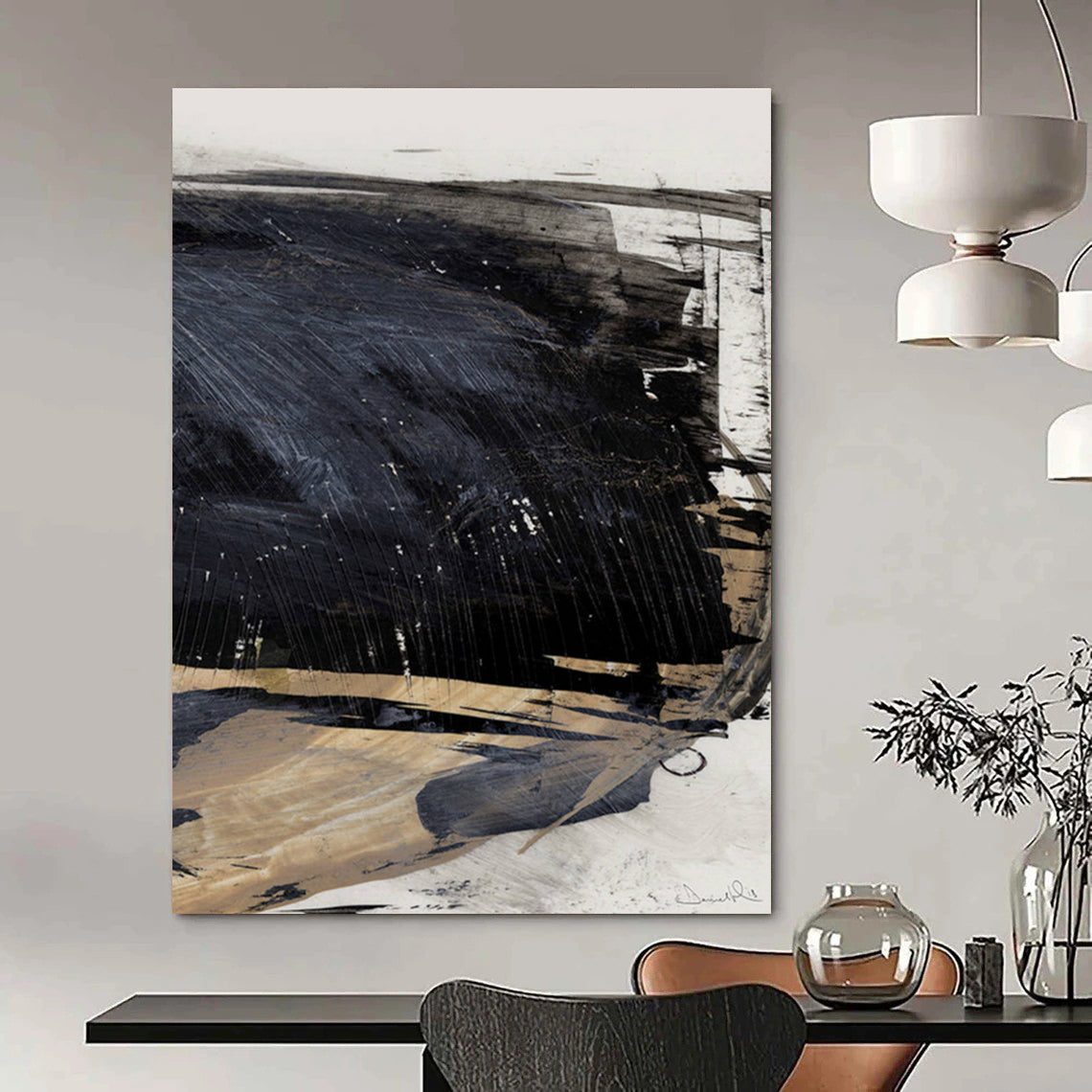

In today's fast-paced professional environments, the design of office spaces plays a pivotal role in fostering productivity, creativity, and overall well-being. Among the various elements that contribute to an inspiring workplace, Office Wall Art stands out as a transformative feature. This form of decoration not only enhances aesthetic appeal but also influences employee morale and performance. By carefully selecting pieces that resonate with the company's culture and values, businesses can create atmospheres that encourage innovation and focus. The integration of art into office settings has evolved from mere embellishment to a strategic tool for improving mental health and team dynamics.

The history of incorporating art into workspaces dates back centuries, but its modern application draws heavily from psychological and design principles. Research indicates that visual stimuli in work environments can significantly affect cognitive functions. For instance, exposure to thoughtfully chosen artwork can reduce stress levels and boost concentration. In corporate settings, where employees spend a substantial portion of their day, the right wall art can serve as a subtle motivator. Whether it's abstract compositions that spark imagination or motivational prints that reinforce goals, the choices are endless. Companies increasingly recognize that a bland, sterile office can lead to burnout, while vibrant, artistic walls promote a sense of vitality.
One of the most popular styles in office decor is abstract art, which offers versatility and depth without overwhelming the space. This genre, characterized by non-representational forms, colors, and shapes, allows viewers to project their own interpretations, fostering personal connections. In professional contexts, abstract pieces can symbolize innovation and forward-thinking, aligning perfectly with tech startups or creative agencies. The freedom from literal depictions means these works can adapt to various office themes, from minimalist to eclectic. Artists in this field often draw from emotional and conceptual inspirations, creating pieces that evoke calm or energy depending on the color palette used.
Building on this, abstract expressionism represents a dynamic subset that emphasizes spontaneous, gestural brushstrokes. Pioneered in the mid-20th century, this movement encourages emotional release through art, which translates well to office environments seeking to inspire passion and originality. Imagine a large canvas with bold splashes of color adorning a conference room wall—it not only serves as a conversation starter during meetings but also subtly energizes participants. Museums and galleries worldwide showcase these works, highlighting their enduring appeal in both personal and professional spaces.

When selecting office wall art, consider the principles of color psychology, which explores how hues influence human behavior and emotions. Blues and greens, for example, are known to promote tranquility and focus, making them ideal for high-stress areas like executive offices or call centers. Warmer tones such as yellows and oranges can stimulate creativity in brainstorming rooms. By aligning artwork colors with the intended function of a space, designers can optimize the environment for specific tasks. Studies have shown that employees in colorful, art-filled offices report higher job satisfaction and lower absenteeism rates.
Beyond aesthetics, office wall art contributes to branding and corporate identity. Custom pieces that incorporate company logos or mission statements can reinforce organizational values. In open-plan offices, strategic placement of art can define zones, such as separating collaborative areas from quiet zones. This zoning helps in managing workflow and reducing distractions. For remote or hybrid workers, incorporating similar art into home offices can maintain a sense of connection to the company culture. The rise of virtual backgrounds during video calls has even extended this concept digitally, but physical art remains irreplaceable for its tangible impact.
Trends in office wall art are shifting towards sustainability and inclusivity. Eco-friendly materials, such as recycled canvases or non-toxic paints, appeal to environmentally conscious businesses. Diverse representations in artwork, reflecting various cultures and perspectives, promote an inclusive atmosphere. This is particularly important in global companies where teams span continents. Art that celebrates diversity can enhance team cohesion and attract top talent who value such environments.
The benefits extend to health and wellness. In the post-pandemic era, workplaces are prioritizing mental health, and art plays a key role here. Viewing art can act as a form of micro-break, allowing employees to recharge without leaving their desks. According to experts, even brief interactions with visual art can lower cortisol levels and improve mood. This is why many Fortune 500 companies invest in curated art collections for their headquarters.
To delve deeper into specific movements, Abstract Expressionism offers insights into how art can convey raw emotion, which is beneficial in creative industries. This style's emphasis on process over product mirrors the iterative nature of business innovation. Offices adorned with such pieces often see increased idea generation during team sessions.
Another valuable resource for understanding art's role is exploring definitions from renowned institutions, such as those provided on abstract art. These explanations highlight how abstraction distills reality into essentials, much like how businesses streamline operations for efficiency.

In terms of practical implementation, start by assessing the office layout. Measure walls to ensure art scales appropriately—oversized pieces can dominate small rooms, while clusters of smaller works suit larger expanses. Lighting is crucial; spotlights or natural light can accentuate textures and colors. Professional installation ensures safety and alignment.
Budget considerations vary. High-end originals from established artists can be investments, appreciating over time. Alternatively, prints and reproductions offer affordability without sacrificing quality. Online platforms make sourcing easy, with options for customization.
Case studies illustrate success. A tech firm in Silicon Valley reported a 15% productivity boost after introducing vibrant wall art. Employees cited the art as a source of daily inspiration. Similarly, a law office in New York used serene landscapes to create a calming environment, reducing client meeting tensions.
Maintenance is straightforward. Dust frames regularly and avoid direct sunlight to prevent fading. For high-traffic areas, choose durable materials like acrylic over glass.
The evolution of office design underscores art's importance. As remote work blurs boundaries, personalizing spaces with art maintains professionalism. Future trends may include interactive digital art, but traditional wall pieces remain timeless.
Insights from business literature on workspaces emphasize how design elements like art influence employee engagement. Articles discuss optimizing environments for hybrid models, where art bridges physical and virtual realms.
Ultimately, investing in office wall art is an investment in people. It transforms mundane walls into canvases of possibility, driving success in subtle yet profound ways.
FAQ
What types of office wall art are most popular? Abstract and minimalist designs are favorites for their versatility in professional settings.
How does office wall art affect productivity? It can reduce stress and enhance focus through visual stimulation and color influences.
Where can I find quality office wall art? Reputable online collections offer a wide range, with options for various styles and budgets.
Is office wall art suitable for small spaces? Yes, smaller pieces or gallery walls work well without overwhelming the area.
How often should office wall art be updated? Refreshing every few years keeps the environment dynamic and aligned with evolving company culture.
What materials are best for durable office wall art? Canvas or metal prints are sturdy and easy to maintain in busy workplaces.