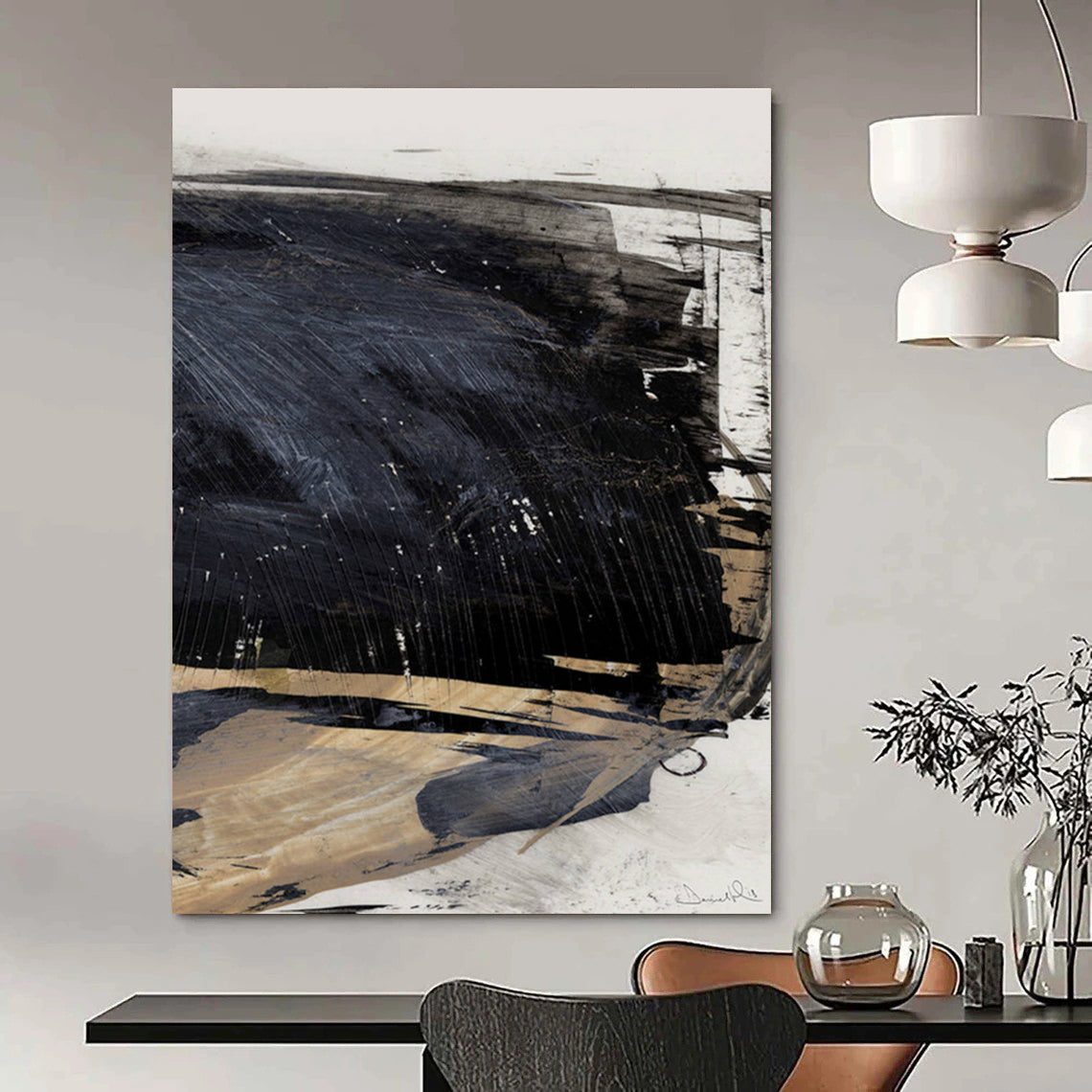

The dining room serves as more than just a space for meals; it's a hub for connection, celebration, and daily rituals. In this setting, the walls play a pivotal role in setting the tone, transforming a simple eating area into an inviting sanctuary. Dining Room Wall Art can elevate the ambiance, infusing personality, color, and texture that resonate with your lifestyle. Whether you're hosting elegant dinner parties or enjoying quiet family breakfasts, thoughtfully chosen pieces can spark conversation, evoke emotions, and tie the room's design together seamlessly.

Understanding the essence of dining room wall art begins with recognizing its multifaceted purpose. It acts as a visual anchor, drawing the eye and balancing the furniture below. From abstract canvases that add a modern edge to serene landscapes that promote relaxation, the options are vast. Art in this space should harmonize with the room's function—encouraging appetite, fostering warmth, and avoiding overwhelming distractions. For instance, pieces with soft, appetizing hues like warm earth tones or subtle blues can enhance the dining experience without clashing with the food on the table.
One of the first steps in selecting dining room wall art is assessing your room's style. Traditional spaces might benefit from classic oil paintings or framed botanical prints, evoking a sense of timeless elegance. In contrast, contemporary dining areas thrive with bold geometric designs or minimalist line drawings that emphasize clean lines and simplicity. If your home leans toward eclectic vibes, mixing mediums—such as metal sculptures alongside canvas prints—can create a dynamic gallery wall. Exploring dining room ideas from various design inspirations can help visualize how art integrates with lighting, furniture, and color schemes.
Size and scale are crucial considerations. A large, empty wall above a buffet or sideboard calls for oversized pieces that command attention without dwarfing the room. For narrower spaces, vertical arrangements or triptychs—sets of three complementary artworks—can add height and interest. Measure your wall space carefully; ideally, the art should occupy about two-thirds of the width of the furniture beneath it. This proportion ensures balance and prevents the piece from feeling lost or overcrowded. When sourcing options, look for collections that offer customizable sizes to fit your exact needs.
Color psychology plays a significant role in dining room decor. Warm colors like reds and oranges can stimulate appetite and energy, making them ideal for lively gatherings. Cooler tones, such as greens and blues, promote calmness and are perfect for more intimate settings. Neutral palettes provide versatility, allowing the art to adapt as your decor evolves. Incorporating affordable art online sources expands your choices, offering high-quality prints and originals that align with these principles without breaking the bank.
Trends in dining room wall art evolve with broader interior design movements. Currently, there's a surge in sustainable and eco-friendly pieces, crafted from recycled materials or featuring nature-inspired motifs. Textured art, like impasto paintings with raised surfaces, adds depth and interacts beautifully with natural light. Another popular trend is personalization—custom commissions that reflect family heritage, favorite cuisines, or travel memories. Digital art printed on canvas brings a fresh, tech-savvy twist, allowing for easy updates as tastes change.

For those drawn to thematic approaches, food-related art remains a classic choice. Still-life depictions of fruits, wines, or culinary scenes can subtly nod to the room's purpose. Abstract interpretations of these themes offer a modern take, avoiding literal representations that might feel kitschy. Botanical and floral designs bring the outdoors in, creating a fresh, vibrant atmosphere. Animal prints or wildlife scenes add whimsy, especially in family-oriented spaces. Browsing dining room art ideas can reveal how these themes blend with different aesthetics, from rustic farmhouse to sleek urban.
Lighting enhances the impact of wall art dramatically. Position pieces where they catch ambient light from windows or strategically placed lamps. LED spotlights can highlight textures and colors, making the art pop during evening meals. Avoid direct sunlight to prevent fading; UV-protective glass or acrylic framing helps preserve vibrancy. In rooms with dimmer switches, adjustable lighting allows you to shift the mood from bright and cheerful to soft and romantic.
Installation requires careful planning to achieve a professional look. Start by determining the eye-level height—typically 57 to 60 inches from the floor to the center of the artwork. For gallery walls, lay out pieces on the floor first to experiment with arrangements. Use picture hooks rated for the weight of your art, and consider anchors for heavier items. If renting, opt for removable adhesive strips to avoid wall damage. Grouping smaller pieces creates a cohesive narrative, while a single statement piece simplifies the setup.
Maintenance ensures your dining room wall art stays pristine. Dust frames and surfaces regularly with a soft cloth, avoiding harsh chemicals that could damage finishes. For canvas pieces, a gentle vacuum attachment removes debris. In humid environments, like those near kitchens, choose moisture-resistant materials to prevent warping. Periodic rotations—swapping pieces seasonally—keeps the space feeling fresh and prevents overexposure to light.
Beyond aesthetics, dining room wall art influences the room's acoustics and flow. Larger canvases can absorb sound, reducing echoes in open-plan layouts. Strategic placement guides traffic, drawing guests toward seating areas. In small apartments, mirrored art or reflective frames can create illusions of depth, making the space feel larger. For multifunctional rooms, versatile pieces that transition from day to night are ideal.
Sourcing quality art involves balancing budget and authenticity. Galleries and online marketplaces offer originals, while prints provide accessible replicas. Look for artist signatures or certificates of authenticity for investments. Supporting emerging artists through platforms dedicated to large wall art not only adds unique flair but also contributes to the creative community.
Cultural influences shape dining room art preferences globally. In Mediterranean homes, vibrant tiles and mosaics inspire wall hangings with intricate patterns. Asian aesthetics favor serene ink washes or bamboo motifs for tranquility. Scandinavian designs emphasize minimalism with natural wood frames and subtle prints. Blending these elements creates a personalized fusion that tells your story.

Sustainability extends to framing choices. Reclaimed wood or bamboo frames reduce environmental impact. Eco-inks and recycled paper for prints align with green living. Some artists specialize in upcycled materials, turning waste into stunning focal points.
For bold statements, consider murals or wallpaper art. These immersive options cover entire walls, turning the dining room into a canvas. Peel-and-stick varieties offer temporary transformations, perfect for renters. Custom murals depicting scenic views or abstract patterns can make a lasting impression.
Mixing art with functional decor enhances utility. Shelves displaying sculptures alongside framed prints add layers. Incorporating clocks or mirrors as artistic elements combines form and function. In bohemian spaces, macramé hangings or woven tapestries introduce texture.
Children's involvement in selecting art fosters creativity. Kid-friendly pieces with playful themes encourage family bonding. As tastes mature, evolving the collection keeps the space relevant.
Seasonal updates refresh the vibe. Autumnal hues in fall, floral bursts in spring—rotating art aligns with holidays and moods. Storage solutions like acid-free boxes protect off-season pieces.
Professional designers often recommend starting with a mood board. Collect swatches, photos, and art samples to visualize cohesion. Tools like apps for virtual staging help preview placements.
Incorporate technology with smart frames that display digital art rotations. These devices offer endless variety, from famous masterpieces to personal photos.
Ultimately, dining room wall art is about expression. It reflects your passions, memories, and aspirations, turning meals into memorable experiences. Exploring options like modern dining room prints can inspire innovative choices that resonate deeply.
FAQ
What factors should I consider when choosing dining room wall art? When selecting art, think about the room's size, color scheme, and overall style. Opt for pieces that complement the furniture and lighting, while considering themes that enhance the dining atmosphere, such as abstracts or botanicals.
How do I hang wall art properly in a dining room? Hang art at eye level, about 57-60 inches from the floor to the center. Use appropriate hooks for weight, and ensure balance with the furniture below. For gallery walls, plan the layout on the floor first.
Can wall art affect the mood of a dining space? Yes, colors and themes influence emotions—warm tones energize, while cool shades calm. Textured pieces add depth, and personalized art fosters a welcoming feel.
Where can I find affordable dining room wall art? Online marketplaces, galleries, and print shops offer budget-friendly options. Look for sales on customizable prints or originals from emerging artists.
What are current trends in dining room wall art? Trends include sustainable materials, textured abstracts, and personalized commissions. Large-scale pieces and digital prints are also popular for modern spaces.
How do I maintain and protect my dining room wall art? Dust regularly with a soft cloth, avoid direct sunlight, and use UV-protective framing. In humid areas, choose moisture-resistant materials to prevent damage.