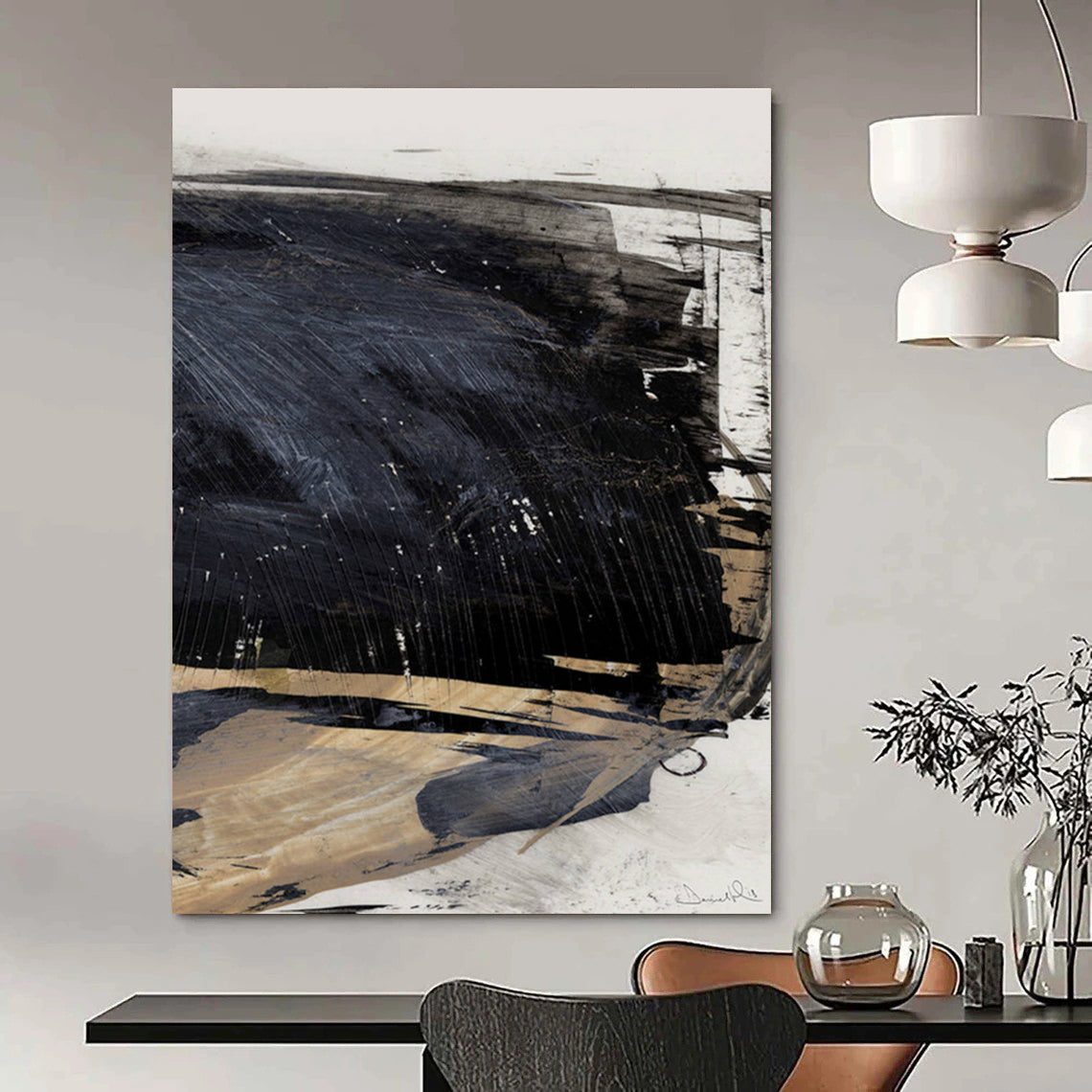

Abstract painting offers a liberating escape from the constraints of realism, allowing artists of all levels to express emotions, moods, and ideas through vibrant colors, dynamic shapes, and innovative textures. Unlike traditional representational art, which aims to depict recognizable subjects, abstract art invites you to explore the boundless realms of imagination. This guide is designed for beginners eager to dive into the world of abstract art, focusing on acrylic paints for their accessibility, quick-drying properties, and versatility. Whether you're transforming a blank canvas into a whirlwind of colors or seeking therapeutic release through creative experimentation, abstract painting can be both rewarding and transformative. In this detailed exploration, we'll cover the history, essential supplies, key techniques, step-by-step instructions, inspirational figures, and practical tips to help you create your first masterpiece.
As searches for "beginner abstract painting tutorials" surge by over 200% on platforms like Pinterest, it's clear that more people are embracing this form of self-expression. Affordable online resources, such as YouTube abstract painting channels, make it easier than ever to start. Let's embark on this colorful journey, where mistakes become opportunities and every stroke tells a story.
The Essence of Abstract Painting: What It Is and Why It Matters
Abstract painting, derived from the Latin word "abstrahere" meaning "to draw away," detaches itself from literal representations of the world. Instead, it emphasizes elements like line, form, color, and texture to evoke feelings or concepts. This art form emerged in the early 20th century as artists sought to break free from academic traditions, influenced by movements like Expressionism and Cubism.
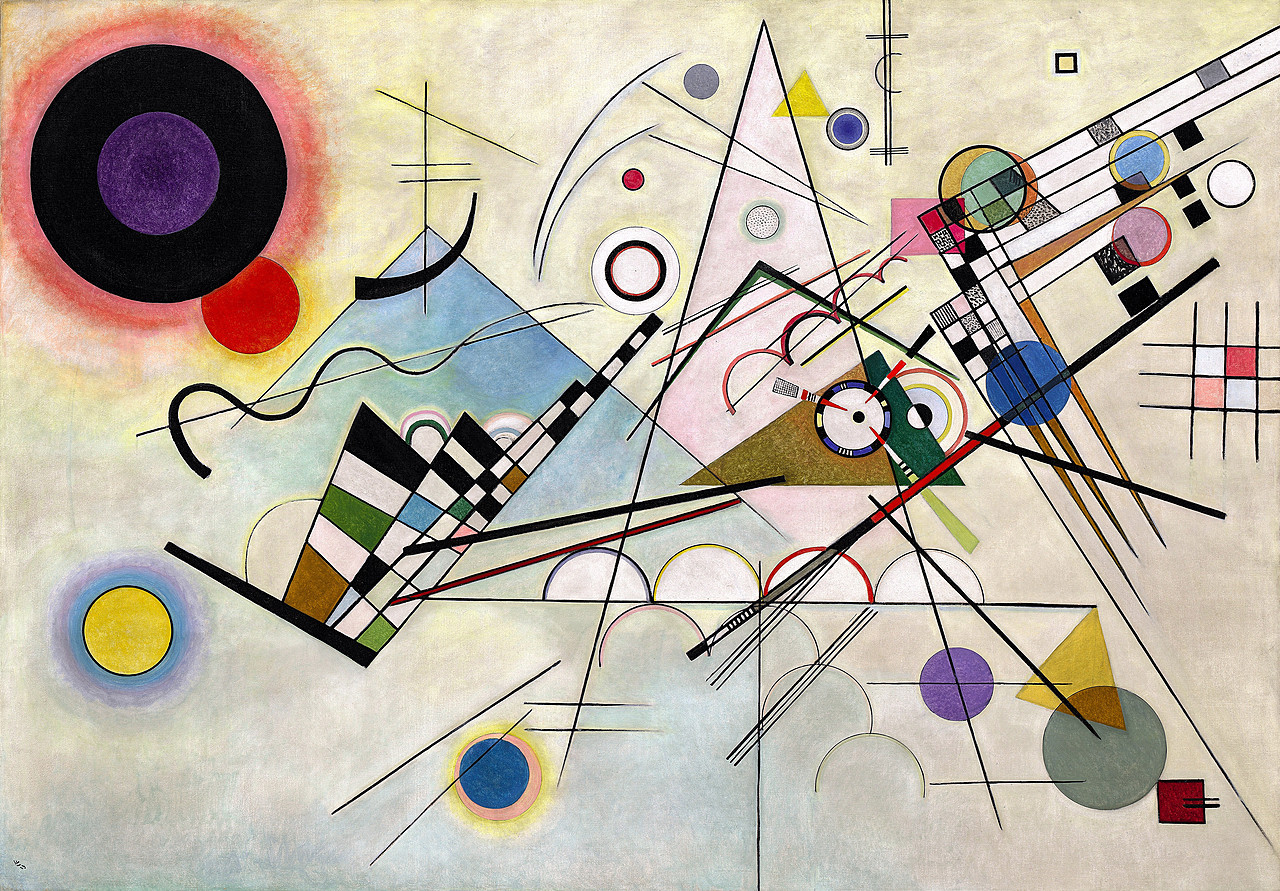
Historically, abstract art revolutionized the art world. Pioneers like Wassily Kandinsky, often credited as the father of abstract painting, believed that art should resonate like music, conveying inner emotions without needing a subject. His works, such as Composition VIII, feature swirling lines and bold colors that pulse with energy, inspiring viewers to interpret freely.
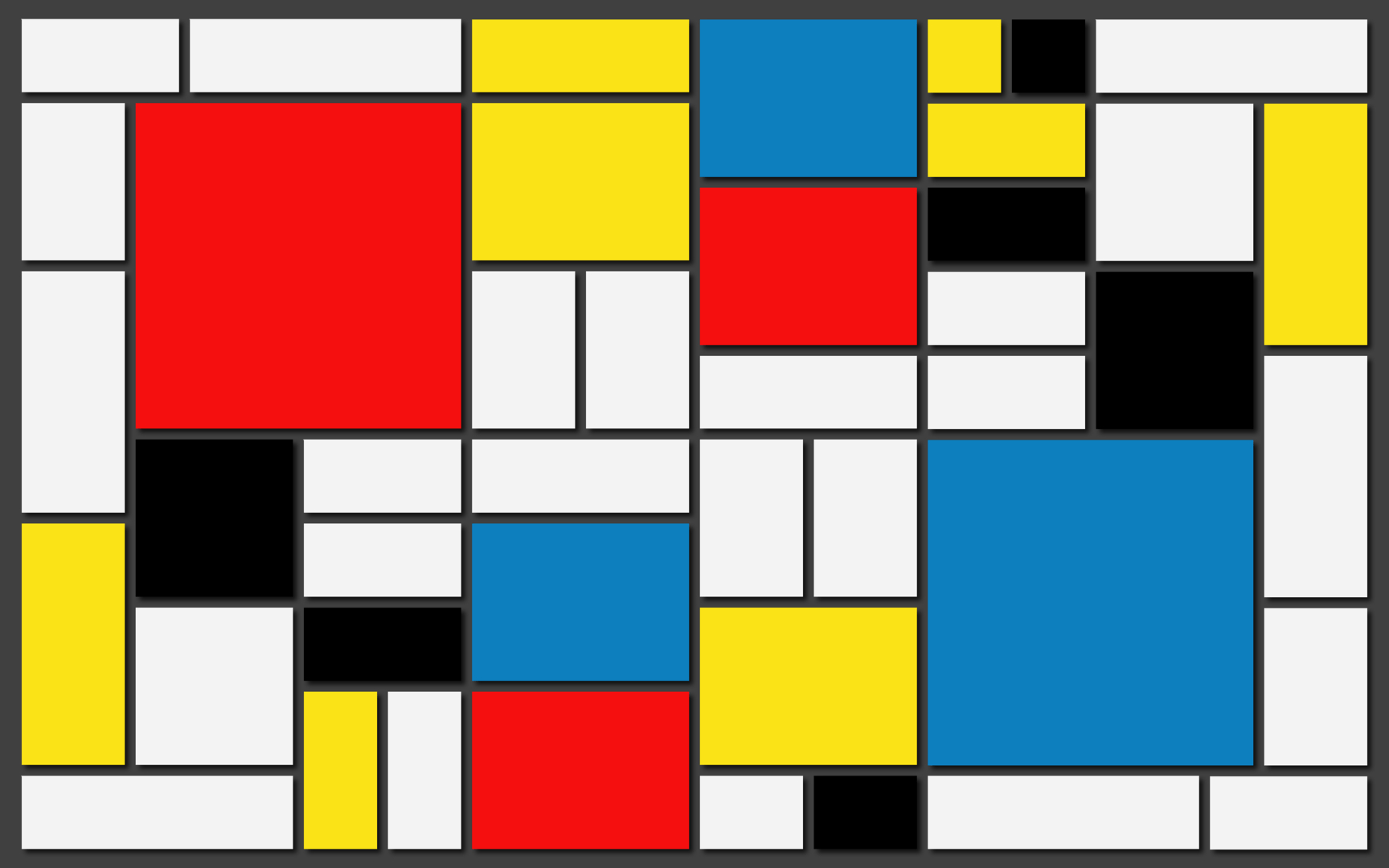
Following Kandinsky, artists like Piet Mondrian pushed boundaries with geometric abstraction, reducing compositions to primary colors and straight lines in pieces like Composition with Red, Blue, and Yellow. This style, part of the De Stijl movement, aimed for universal harmony through simplicity.
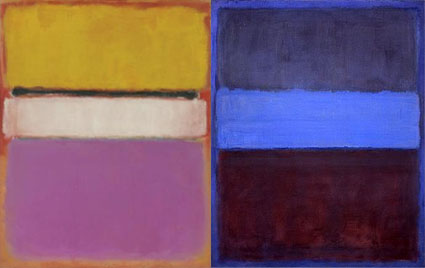
In the mid-20th century, Abstract Expressionism took center stage in America. Jackson Pollock’s drip technique, where paint is flung or poured onto canvas, embodied spontaneous action and emotional intensity, as seen in Autumn Rhythm. Meanwhile, Mark Rothko’s color field paintings, with their large blocks of glowing hues, invite contemplation and emotional immersion.

Why does abstract painting matter today? In a fast-paced world, it serves as a mindfulness tool, reducing stress by encouraging free expression. Studies from the American Art Therapy Association suggest that engaging in abstract creation can boost mental health, fostering self-discovery and confidence.
Essential Supplies: Building Your Abstract Painting Toolkit
One of the beauties of abstract painting is its minimalism— you don't need an elaborate studio to begin. Focus on quality basics to ensure vibrant results without breaking the bank.
- Acrylic Paints: Opt for a starter set with primary colors (red, blue, yellow), plus black and white for mixing. Brands like Liquitex Basics are affordable and versatile, drying quickly to allow layering.
- Brushes and Tools: A variety of synthetic brushes (flat, round, filbert) for different strokes. Include palette knives for textural effects and sponges for blending.
- Surfaces: Start with pre-primed canvases or heavy paper. For experimentation, try canvas panels.
- Other Essentials: A mixing palette (plastic or glass), water for thinning, and an apron to protect clothes. Optional: Acrylic medium for glazing or retarder to slow drying.
For beginners, kits like those from Arteza provide everything in one package.

Budget tip: Source supplies from discount art stores or online marketplaces to keep costs under $50 for a basic setup.
Mastering Techniques: From Basic Strokes to Advanced Layers
Abstract painting thrives on experimentation, but learning core techniques builds confidence. We'll focus on acrylic-friendly methods, adaptable to your style.
- Glazing Technique: Apply thin, transparent layers of diluted paint over dried ones to build depth. Mix paint with water or glazing medium; this creates luminous effects, ideal for ethereal abstracts.
- Wet-on-Wet: Blend colors directly on the canvas while wet, allowing soft transitions. Use a retarder to extend working time, preventing quick drying.
- Palette Knife and Sponge Application: For texture, use knives to spread thick paint (impasto), creating ridges that catch light. Sponges dab for mottled patterns, adding organic feel.
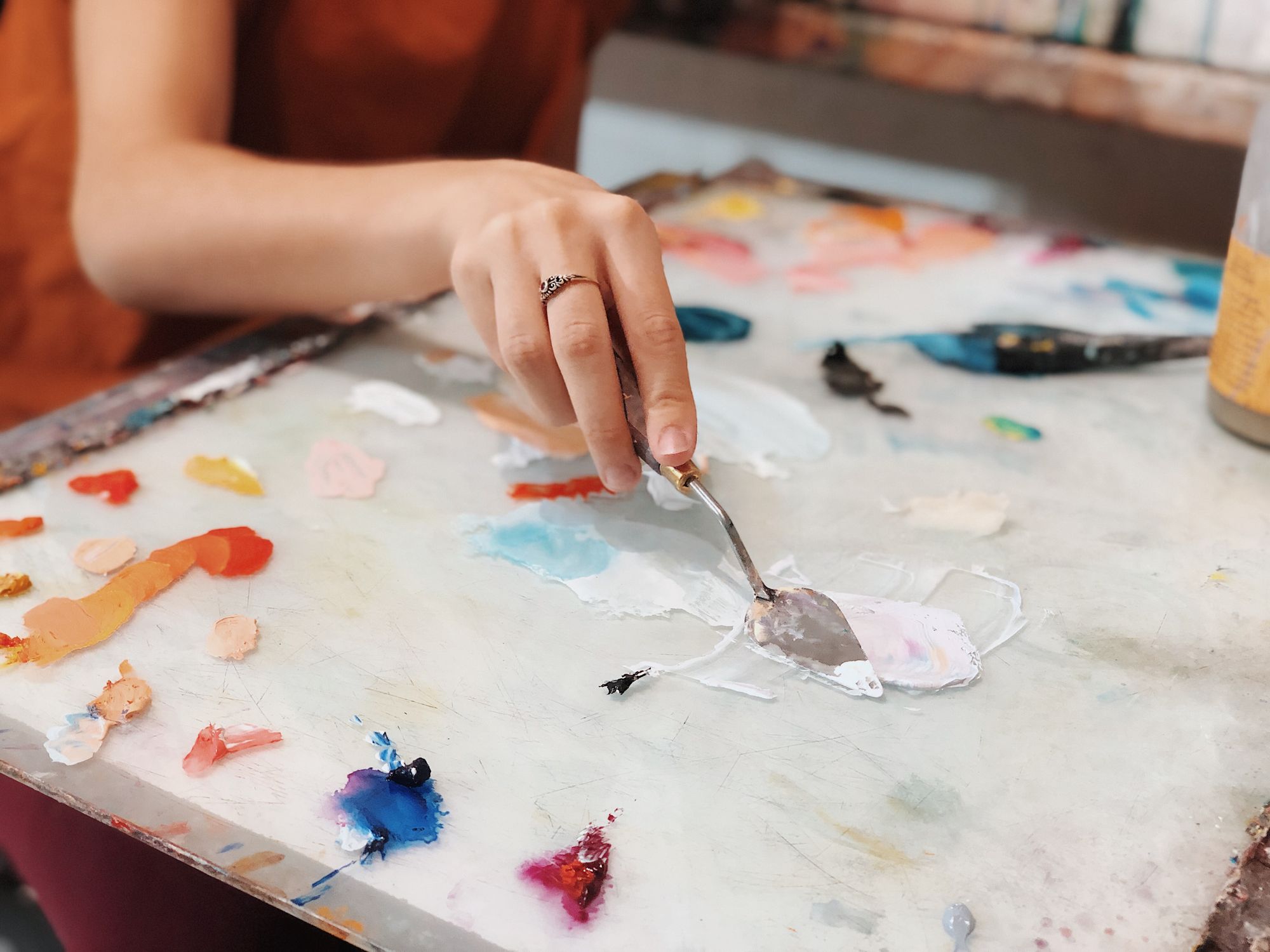
- Drip and Pour: Inspired by Pollock, drizzle or pour paint for fluid, unpredictable results. Thin with pouring medium for smooth flows.
- Color Blocking: Echo Rothko by layering large color fields, focusing on harmony and contrast.
Practice on scrap paper first. Online tutorials, such as those on Skillshare, offer video guidance.
Step-by-Step: Creating Your First Abstract Painting
Ready to paint? Follow this simple process.
Preparation: Gather supplies and protect your workspace with newspaper. Prime your canvas if desired for better adhesion.
Step 1: Conceptualize: Reflect on a mood—joyful chaos or calm serenity? Sketch loosely if needed, but embrace spontaneity.
Step 2: Base Layer: Apply a background wash with diluted paint. Let dry partially for wet-on-wet blending.
Step 3: Build Layers: Add shapes, lines, and textures using brushes or knives. Experiment with contrasts: warm vs. cool colors.
Step 4: Refine and Dry: Step back, adjust, then let dry completely (acrylics take 20-60 minutes).
Step 5: Seal and Display: Optional varnish for protection. Hang your work to admire!
Tips for Success and Finding Inspiration
- Color Theory Basics: Understand complementary colors (e.g., blue-orange) for vibrancy. Resources like Adobe Color help.
- Avoid Perfectionism: Abstract art celebrates imperfection; overthinking stifles creativity.
- Inspiration Sources: Nature walks, music playlists, or museum visits. Explore MoMA's abstract collection online.
- Common Pitfalls: Muddy colors from overmixing—work in layers. Clean tools promptly to avoid hardening.
Join communities like Reddit's r/AbstractArt for feedback.
Conclusion: Embrace the Abstract Journey
Abstract painting with acrylics is an accessible gateway to artistic fulfillment, blending history, technique, and personal expression. As you progress, your works may evolve from simple experiments to profound statements. Start small, stay curious, and remember: every great artist began with a single stroke. For ready-made inspiration, check out galleries like Saatchi Art.
FAQ
What is the best paint for beginner abstract artists? Acrylics are ideal due to their fast drying time, ease of mixing, and low cost compared to oils.
Do I need drawing skills to paint abstractly? No—abstract art focuses on emotion over accuracy; anyone can start without prior drawing experience.
How do I choose colors for my abstract painting? Start with a limited palette of primaries and build from there. Consider mood: brights for energy, muted tones for calm.
What surfaces work best for abstract acrylic painting? Pre-stretched canvases or panels are beginner-friendly, but heavy paper or wood can add unique textures.
Can I fix mistakes in abstract art? Absolutely—layer over errors with new paint; the beauty lies in evolution and imperfection.
Where can I find free tutorials for abstract techniques? Platforms like YouTube and Skillshare offer countless videos; search for "acrylic abstract glazing tutorial."
How long does it take to create an abstract painting? From 30 minutes for quick experiments to several hours or days for layered works, depending on drying times and complexity.