
In the United Kingdom, a unique intersection of taxation, philanthropy, and cultural preservation allows individuals and estates to contribute invaluable artworks and heritage objects to public institutions while alleviating their tax burdens. Programs like the Acceptance in Lieu (AIL) scheme and the Cultural Gifts Scheme (CGS) have become vital mechanisms for enriching national collections. These initiatives not only prevent the loss of significant cultural assets to private markets or overseas buyers but also provide financial incentives to donors. Recent announcements from Arts Council England, the body administering both schemes, highlight a bumper year for donations, with objects valued at nearly £60 million entering public hands, settling around £39 million in taxes. This article delves into the mechanics, history, and impact of these programs, spotlighting standout donations such as Edgar Degas's pastel drawings, Bill Brandt's photographs, and other notable items, while exploring how they sustain the UK's vibrant museum ecosystem.
The Origins and Evolution of Tax-for-Art Exchanges
The concept of settling taxes through cultural donations traces its roots to the early 20th century, amid fiscal reforms aimed at addressing wealth disparities. The AIL scheme was formally introduced in the Finance Act 1910 by then-Chancellor David Lloyd George as part of his groundbreaking "People's Budget." Initially designed to allow landowners to offer property in lieu of estate duties—taxes that had risen sharply to fund social welfare programs—it evolved to encompass artworks, antiquities, and archives. By the 1980s, the scheme was refined under the National Heritage Act, allocating a dedicated budget to cover revenue shortfalls from such arrangements.
Complementing AIL is the more recent CGS, launched in 2013 to encourage lifetime giving. Unlike AIL, which primarily addresses inheritance tax (IHT) liabilities upon death, CGS targets living donors, offering reductions in income tax, capital gains tax, or corporation tax. Donors receive a credit equivalent to 30% of the object's value for individuals or 20% for companies. Both schemes are overseen by an expert panel convened by Arts Council England, which assesses the "pre-eminence" of offered items based on criteria like national, scientific, historic, or artistic significance. Pre-eminence might stem from an object's rarity, its connection to key historical figures, or its role in illustrating cultural narratives.
A key feature enhancing the appeal of AIL is the "douceur," a French term meaning "sweetener." This provides an additional 25% uplift on the tax credit, effectively making the donation more valuable for settling debts than its open-market price might suggest. For instance, if an artwork valued at £10 million incurs a notional IHT of £4 million (at 40%), the douceur adds £1 million, allowing the piece to offset £5 million in tax— a win-win for estates and the public.
These programs have proven resilient, adapting to economic pressures. In times of dwindling public funding for acquisitions, as noted by arts leaders, they serve as a lifeline for museums facing budget cuts. Over the decades, they've facilitated the transfer of masterpieces by artists like J.M.W. Turner and Pablo Picasso, historic estates, and rare manuscripts, ensuring they remain accessible to all rather than vanishing into private collections.
How the Schemes Operate: A Step-by-Step Guide
Participating in AIL or CGS involves a structured process, typically spanning 6 to 12 months. Prospective donors or executors submit applications to Arts Council England, detailing the object's provenance, condition, and estimated value. The panel, comprising curators, historians, and valuation experts, evaluates eligibility. Objects must demonstrate exceptional importance—perhaps through association with a historic site, like a building of architectural merit, or intrinsic artistic value, such as a groundbreaking scientific instrument.
Once approved, valuations are negotiated, often drawing on auction house expertise from firms like Christie's or Sotheby's. For AIL, the tax settlement is calculated against the estate's IHT bill; for CGS, the tax reduction is applied directly to the donor's liabilities. Successful items are allocated to appropriate institutions, prioritizing those with thematic relevance or regional ties. For example, a Scottish artifact might go to the National Galleries of Scotland, while London-centric pieces could land at the Tate or National Gallery.
Critics occasionally question the schemes' equity, arguing they favor the wealthy who can afford high-value assets. However, proponents counter that without such incentives, many treasures would be sold abroad, depleting the UK's cultural heritage. Statistics underscore their success: In the 2024-25 fiscal year alone, 32 cases processed through the schemes, marking one of the most prolific periods since 2020.
Spotlight on Recent Donations: Enriching Public Collections
The latest round of donations exemplifies the schemes' breadth, spanning fine art, photography, and historical artifacts. Valued collectively at £59.7 million, these gifts settled £39.3 million in taxes, bolstering institutions amid funding challenges.
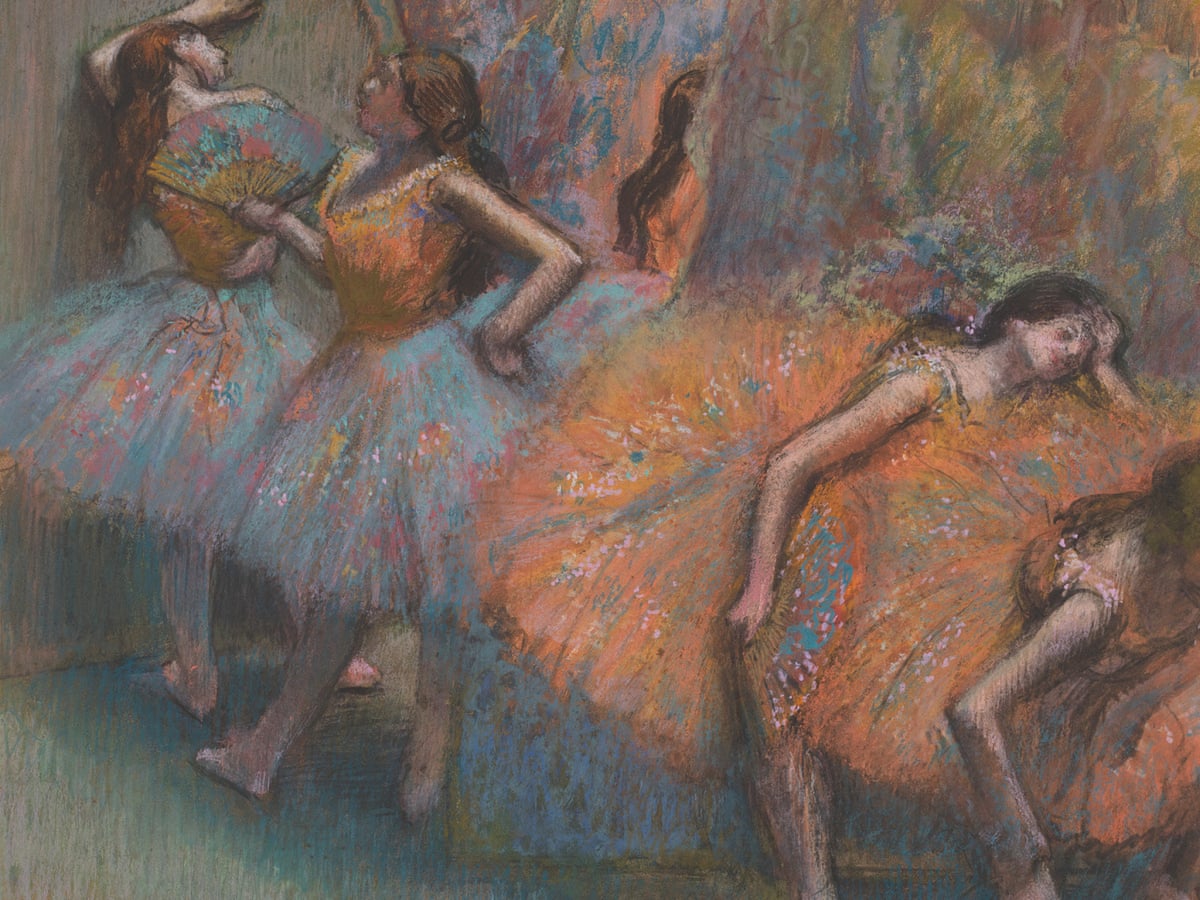
One highlight is Edgar Degas's pastel work Danseuses roses (circa 1897–1901), donated via AIL from the estate of Ann Marks to the National Gallery. This delicate depiction of ballerinas captures Degas's fascination with movement and light, characteristic of his Impressionist explorations. Valued at several million pounds, it adds to the gallery's renowned collection of French modernists.
The Tate received a substantial cache of 77 photographs by Bill Brandt, gifted through CGS by John-Paul Kernot. Brandt, a pioneering British photographer, blended surrealism with social documentary, capturing wartime London and haunting nudes. These images, spanning his career, offer insights into 20th-century Britain and enhance the Tate's photography holdings.


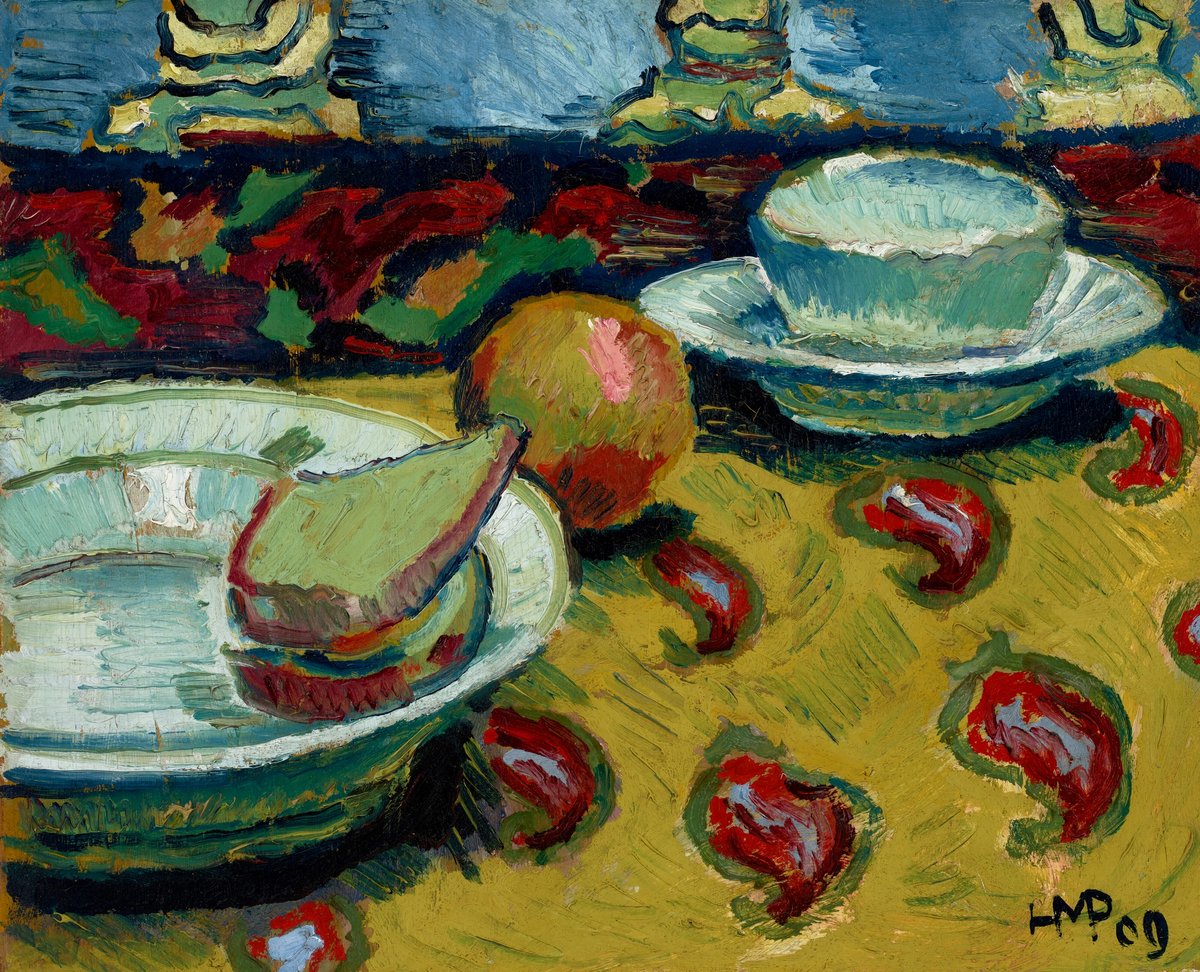
Other notable contributions include paintings by Max Liebermann and Max Pechstein, allocated to the Ashmolean Museum at Oxford University from the collection of C.M. and Dorothy Kauffmann. Liebermann's impressionistic landscapes and Pechstein's expressionist works reflect German modernism, providing educational value for students and visitors.

Beyond art, a mahogany standing desk used by Prime Ministers Benjamin Disraeli and Winston Churchill was donated to the National Trust for display at Hughenden Manor in Buckinghamshire. This artifact, symbolizing political history, underscores the schemes' inclusivity of non-art items.
Additional gifts, such as works by Ben Nicholson and Vanessa Bell, further diversify the haul, supporting institutions like the Victoria and Albert Museum and regional galleries.
The Broader Impact: Preserving Heritage in an Uncertain Era
These donations arrive at a critical juncture for UK museums, where acquisition budgets have shrunk due to inflation and post-pandemic recovery. By injecting high-caliber items without public expenditure, AIL and CGS bridge funding gaps, fostering public engagement through exhibitions and loans. They also promote inclusivity, with objects often allocated to underrepresented regions.
Looking ahead, experts advocate expanding the schemes to include digital heritage or contemporary art, ensuring relevance in a changing world. While participation requires assets of significant value—typically starting in the hundreds of thousands—the programs democratize access to culture, turning private wealth into communal legacy.
FAQ
What is the difference between Acceptance in Lieu (AIL) and the Cultural Gifts Scheme (CGS)? AIL allows estates to settle inheritance tax by donating cultural objects after a person's death, while CGS enables living individuals or companies to donate items for reductions in income, capital gains, or corporation tax.
Who decides if an object qualifies for these schemes? An independent panel of experts, convened by Arts Council England, assesses pre-eminence based on national, historic, artistic, or scientific importance.
What types of items can be donated? Eligible items include artworks, sculptures, photographs, manuscripts, historic buildings, land, furniture, and scientific instruments, provided they meet pre-eminence criteria.
How much tax relief do donors receive? For AIL, the donation offsets IHT with a 25% douceur uplift; for CGS, individuals get 30% of the value as a tax credit, and companies 20%.
Where do donated items end up? They are allocated to public museums, galleries, libraries, or archives, often based on thematic or geographic relevance, ensuring broad public access.
Can anyone participate in these schemes? Participation is open to UK taxpayers with qualifying assets, but applications must demonstrate the object's cultural significance and are subject to panel approval.