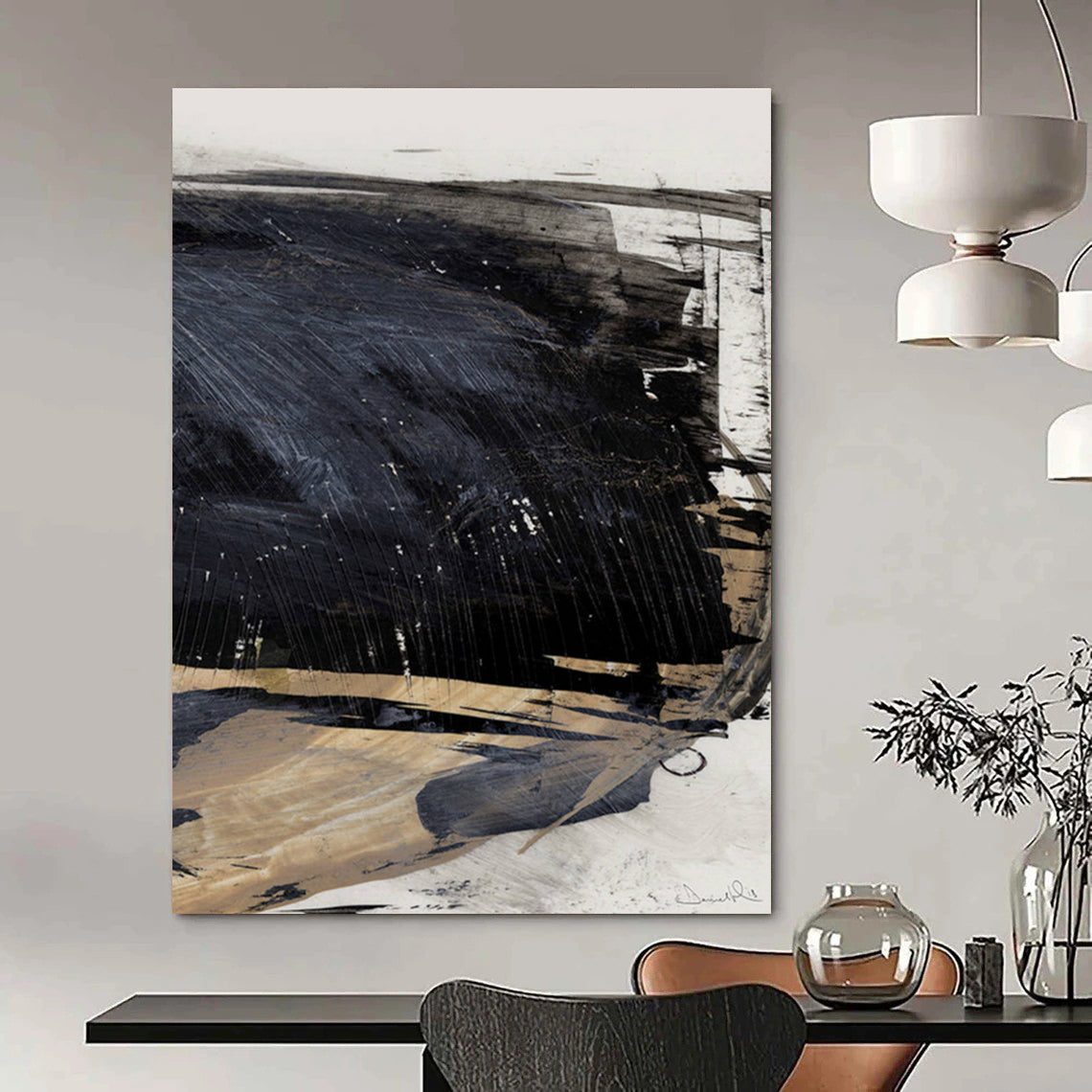

In the dynamic landscape of contemporary art, orange abstract art stands out as a beacon of vitality and passion. This genre harnesses the bold, fiery hues of orange to evoke emotions ranging from exhilaration to introspection, transforming blank canvases into portals of raw energy. Orange, a color often associated with enthusiasm, creativity, and warmth, becomes the protagonist in these works, blending seamlessly with abstract forms to create pieces that defy traditional representation. Whether through swirling patterns, geometric shapes, or textured layers, orange abstract art invites viewers to engage on a personal level, interpreting the interplay of color and form through their own experiences. As part of the broader spectrum of abstract art, this style has roots in early 20th-century movements but continues to evolve, offering endless possibilities for modern collectors and decorators.

The allure of orange in abstract art lies in its psychological impact. According to principles of color theory, orange combines the intensity of red with the cheerfulness of yellow, resulting in a shade that stimulates appetite, conversation, and even optimism. In abstract compositions, artists manipulate this color to convey movement and depth, often layering it with complementary tones like blues or neutrals to heighten contrast. For instance, a canvas dominated by burnt orange streaks against a muted background might suggest a sunset over a turbulent sea, though the abstraction leaves room for individual imagination. This ambiguity is a hallmark of the genre, encouraging viewers to project their emotions onto the artwork. Historically, pioneers like Wassily Kandinsky explored color's spiritual dimensions, believing that hues like orange could resonate with the soul, transcending mere visual appeal to touch on deeper human experiences.
Tracing the origins of orange abstract art requires delving into the evolution of abstraction itself. Emerging in the late 19th and early 20th centuries, abstraction marked a departure from representational art, influenced by rapid industrialization and philosophical shifts. Artists sought to express inner realities rather than external appearances, and orange emerged as a powerful tool in this quest. Kandinsky, often credited as one of the first purely abstract painters, incorporated vibrant oranges in works like his "Compositions," where color served as a musical equivalent, evoking harmony or discord. His theoretical writings emphasized the emotional potency of color, positing that orange could symbolize strength and endurance. Following in this vein, the Abstract Expressionism movement in post-World War II America amplified these ideas. Painters such as Mark Rothko used large fields of color, including deep terracottas and vivid tangerines, to create immersive experiences that aimed to evoke the sublime. Rothko's color field paintings, with their glowing oranges hovering on the canvas, were designed to envelop the viewer, fostering a meditative state where the boundaries between art and observer dissolve.
The techniques employed in creating orange abstract art are as varied as the artists themselves. Many contemporary creators use acrylics or oils applied with palette knives, brushes, or even unconventional tools like sponges to build texture. Impasto methods, where paint is thickly layered, add a three-dimensional quality, making the orange tones appear to leap off the surface. Digital tools have also entered the fray, allowing for precise blending and experimentation before committing to physical media. In galleries and online collections, these pieces often feature mixed media elements, such as metallic accents or collage, enhancing the vibrancy of orange. For example, a piece might incorporate gold leaf alongside orange pigments to mimic the glow of embers, symbolizing transformation or renewal. This versatility makes orange abstract art particularly appealing for home decor, where it can infuse spaces with energy without overwhelming the aesthetic.
Beyond its visual appeal, orange abstract art carries symbolic weight in various cultural contexts. In Eastern philosophies, orange represents spirituality and enlightenment, often seen in monastic robes or sacred art. Western interpretations lean toward vitality and adventure, aligning with the color's use in branding and design. Abstract artists draw from these associations to craft narratives that are felt rather than told. Consider the works of Jackson Pollock, whose drip paintings occasionally featured bursts of orange amid chaotic webs of color. Pollock's action painting technique, involving physical movement across the canvas, embodied the spontaneity that orange evokes—unpredictable, bold, and full of life. Today, emerging artists continue this legacy, experimenting with orange in digital abstractions or street art, pushing the boundaries of what the color can represent in a fast-paced world.
Incorporating orange abstract art into interior design has become a popular trend, as it adds warmth and focal points to minimalist or neutral spaces. A large orange canvas in a living room can serve as a conversation starter, its abstract forms sparking discussions about interpretation and emotion. Kitchens benefit from the color's appetite-stimulating properties, while offices gain a boost of creativity and motivation. Collectors often seek customizable options, adjusting sizes or shades to fit specific environments. One enthusiast, Emily Carter from Seattle, shares: "I added an orange abstract piece to my home office, and it completely transformed the energy of the room. The vibrant hues make me feel more inspired during long workdays." Similarly, architect David Lee notes: "As someone who appreciates bold design, orange abstract art fits perfectly in modern lofts. It's not just decor; it's a statement of personality."
The market for orange abstract art is thriving, with online platforms offering a wide array of choices. From hand-painted originals to high-quality prints, accessibility has democratized this genre, allowing art lovers of all budgets to participate. Sustainability is also a growing concern, with many artists using eco-friendly materials to create their works. This ethical approach resonates with conscious consumers who value both aesthetics and environmental impact. In educational settings, orange abstract art serves as a tool for teaching color dynamics and emotional expression, helping students understand how non-representational forms can convey complex ideas.

Critically, orange abstract art challenges viewers to confront their preconceptions about color and form. In a world saturated with digital imagery, these physical pieces offer a tactile counterpoint, reminding us of the human hand behind the creation. Exhibitions dedicated to color-specific abstractions highlight orange's role in evoking seasonal changes, like autumn leaves or desert sunsets, even in non-literal ways. Art therapists utilize such works to facilitate emotional release, as the color's warmth encourages openness and positivity.
As we look to the future, orange abstract art promises continued innovation. With advancements in materials and technology, artists are exploring interactive elements, such as light-responsive paints that shift tones under different illuminations. Virtual reality experiences allow immersive dives into orange-dominated abstracts, expanding the genre's reach. Ultimately, this art form celebrates the power of color to transcend language and culture, connecting us through shared emotional resonances.
In essence, orange abstract art is more than a visual trend; it's a vibrant dialogue between creator and observer. By embracing its energy, we open ourselves to new perspectives, finding beauty in the undefined and power in the passionate.
FAQ
What defines orange abstract art? Orange abstract art features non-representational forms dominated by orange hues, emphasizing emotion, texture, and color over literal subjects.
How does orange influence the mood of abstract art? Orange evokes warmth, energy, and creativity, often creating uplifting or dynamic atmospheres in artworks.
Can orange abstract art be customized? Yes, many collections offer options to adjust size, shade, and texture to suit personal preferences.
What materials are commonly used in orange abstract art? Artists typically use acrylics, oils, or mixed media on canvas, with techniques like impasto for added depth.
Where is the best place to display orange abstract art? It shines in living rooms, offices, or kitchens, where its vibrant energy can enhance the space's ambiance.
Is orange abstract art suitable for beginners in art collecting? Absolutely, its accessibility and emotional appeal make it an excellent starting point for new collectors.