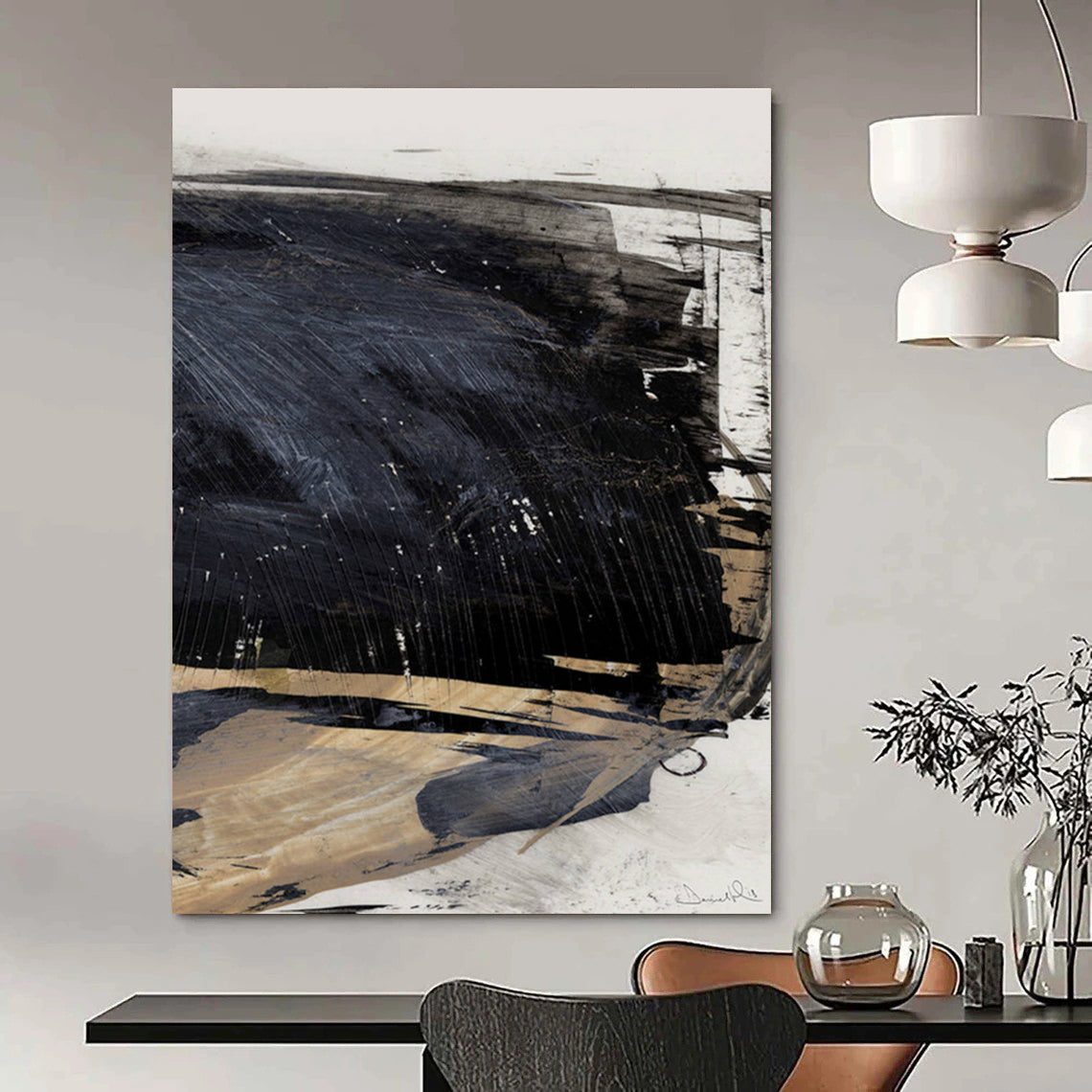

In the expansive universe of contemporary art, Orange Abstract Art stands out as a beacon of energy, warmth, and emotional depth. This genre, characterized by its bold use of orange hues ranging from fiery tangerine to subtle peach, transcends traditional boundaries to evoke feelings of passion, creativity, and vitality. Unlike representational art that mimics the physical world, orange abstract works focus on form, color, and texture to communicate abstract ideas and emotions. The allure of orange in abstraction lies in its ability to stimulate the senses—it's a color that demands attention, often associated with enthusiasm and optimism. As we explore this captivating field, we'll delve into its historical roots, artistic techniques, influential figures, and modern applications, revealing why Orange Abstract Art continues to captivate collectors and enthusiasts alike.

The origins of abstract art trace back to the early 20th century, when artists began rejecting realism in favor of non-objective expressions. Pioneers like Wassily Kandinsky played a pivotal role, viewing abstraction as a spiritual endeavor. Kandinsky, often credited with creating the first purely abstract paintings, incorporated vibrant colors, including oranges, to symbolize inner experiences. His work "Composition VII," for instance, features swirling oranges amid chaotic forms, representing the turmoil and harmony of the human soul. This shift marked a departure from figurative art, allowing colors like orange to take center stage. Orange, derived from the Sanskrit word for the fruit, carries cultural significance across societies—from symbolizing harvest and abundance in Western traditions to enlightenment in Eastern philosophies. In abstraction, it becomes a tool for artists to explore these connotations without literal depictions.
Central to understanding Orange Abstract Art is color theory, which examines how colors interact and affect perception. Orange, a secondary color born from red and yellow, embodies warmth and energy. Theorists like Johannes Itten emphasized complementary contrasts; pairing orange with blues creates visual tension, enhancing dynamism in abstract compositions. In abstract works, orange can dominate the canvas to convey heat or be layered subtly for depth. Artists manipulate its saturation and value to evoke moods—bright oranges for exhilaration, muted tones for introspection. This theoretical foundation underpins why orange abstracts resonate emotionally; they tap into psychological responses, where orange stimulates appetite, creativity, and social interaction. Studies in art therapy even suggest that exposure to orange hues can boost mood and reduce stress, making these pieces ideal for modern living spaces.
One of the most influential movements incorporating orange abstraction is abstract expressionism, emerging in post-World War II America. Artists like Mark Rothko used large-scale color fields, often featuring oranges, to immerse viewers in contemplative experiences. Rothko's "Orange, Red, Yellow" exemplifies this, with glowing orange rectangles floating on a red ground, inviting meditation on color's emotional power. This movement prioritized spontaneous gestures and subconscious impulses, where orange symbolized life's vibrancy amid existential themes. Unlike earlier European abstractions, American expressionists scaled up their works, turning canvases into environments that envelop the observer. Orange, with its radiant quality, amplified this immersion, challenging viewers to confront their feelings directly.

Techniques in Orange Abstract Art vary widely, reflecting artists' innovative approaches. Impasto, where thick paint layers create texture, adds a tactile dimension, making orange appear almost sculptural. Dripping and pouring methods, popularized by Jackson Pollock, allow orange pigments to flow organically, mimicking natural phenomena like sunsets or flames. Digital tools now enable hybrid creations, blending traditional painting with computer-generated patterns for intricate orange abstractions. Materials matter too—acrylics for quick-drying vibrancy, oils for rich blending. Artists often experiment with mixed media, incorporating collage or metallic elements to enhance orange's luminosity. These methods ensure that each piece is unique, offering endless interpretations.
Influential artists have shaped the trajectory of orange abstraction. Beyond Kandinsky and Rothko, Helen Frankenthaler pioneered color-staining techniques, soaking canvases in thinned orange paints for ethereal effects. Her "Mountains and Sea" influenced generations, showing how orange could suggest landscapes without representation. Contemporary figures like Gerhard Richter blend abstraction with photorealism, using orange in blurred layers to question perception. In the digital age, artists like Refik Anadol employ AI to generate orange-dominated abstractions, exploring data as art. These creators demonstrate orange's versatility—from evoking desert heat to symbolizing technological innovation.
The appeal of Orange Abstract Art extends to interior design, where it infuses spaces with warmth. In minimalist homes, an orange abstract canvas serves as a focal point, contrasting neutral walls for visual interest. Kitchens benefit from its appetite-stimulating properties, while offices gain from its creativity-boosting vibes. Collectors appreciate its investment potential; works by established abstract artists often appreciate in value. Galleries and online platforms curate collections, making acquisition accessible. Customization options allow buyers to tailor sizes and shades, ensuring pieces fit personal aesthetics.

Culturally, orange abstraction intersects with global movements. In African art, orange hues draw from earth pigments, symbolizing vitality in abstract masks and textiles. Asian influences incorporate orange for balance, as in Zen-inspired minimalism. Latin American artists use it to convey passion, blending abstraction with folk elements. This cross-cultural dialogue enriches the genre, fostering inclusivity in the art world.
Challenges in creating orange abstracts include balancing intensity to avoid overwhelming viewers. Artists must consider lighting, as orange can shift under different conditions. Preservation is key; pigments like cadmium orange require UV protection to prevent fading. Despite these hurdles, the genre thrives, with exhibitions worldwide showcasing its evolution.
In education, Orange Abstract Art serves as a teaching tool, encouraging students to explore emotions through color. Workshops focus on intuitive painting, where participants layer oranges to express inner states. Museums curate orange-themed shows, highlighting its historical significance.
The future of orange abstraction looks bright, with sustainability influencing practices. Eco-friendly pigments and recycled canvases align with environmental consciousness. Virtual reality allows immersive experiences, where users navigate orange abstract worlds. As society seeks escapism, these works provide solace, reminding us of art's transformative power.
Ultimately, Orange Abstract Art is more than visuals—it's an invitation to feel, reflect, and connect. Whether adorning a wall or sparking conversation, it embodies the endless possibilities of abstraction.
FAQ
What defines Orange Abstract Art? It features non-representational forms dominated by orange hues, focusing on emotion and color dynamics.
Who are key figures in abstract art? Artists like Wassily Kandinsky and Mark Rothko pioneered its development.
How does color theory apply? It explains orange's interactions, enhancing visual and emotional impact.
What is abstract expressionism? A movement emphasizing spontaneous, color-driven expressions, often using orange for intensity.
Where can I find collections? Explore dedicated galleries or online platforms specializing in vibrant abstracts.
How to incorporate it into home decor? Use as accent pieces in rooms needing warmth and energy.