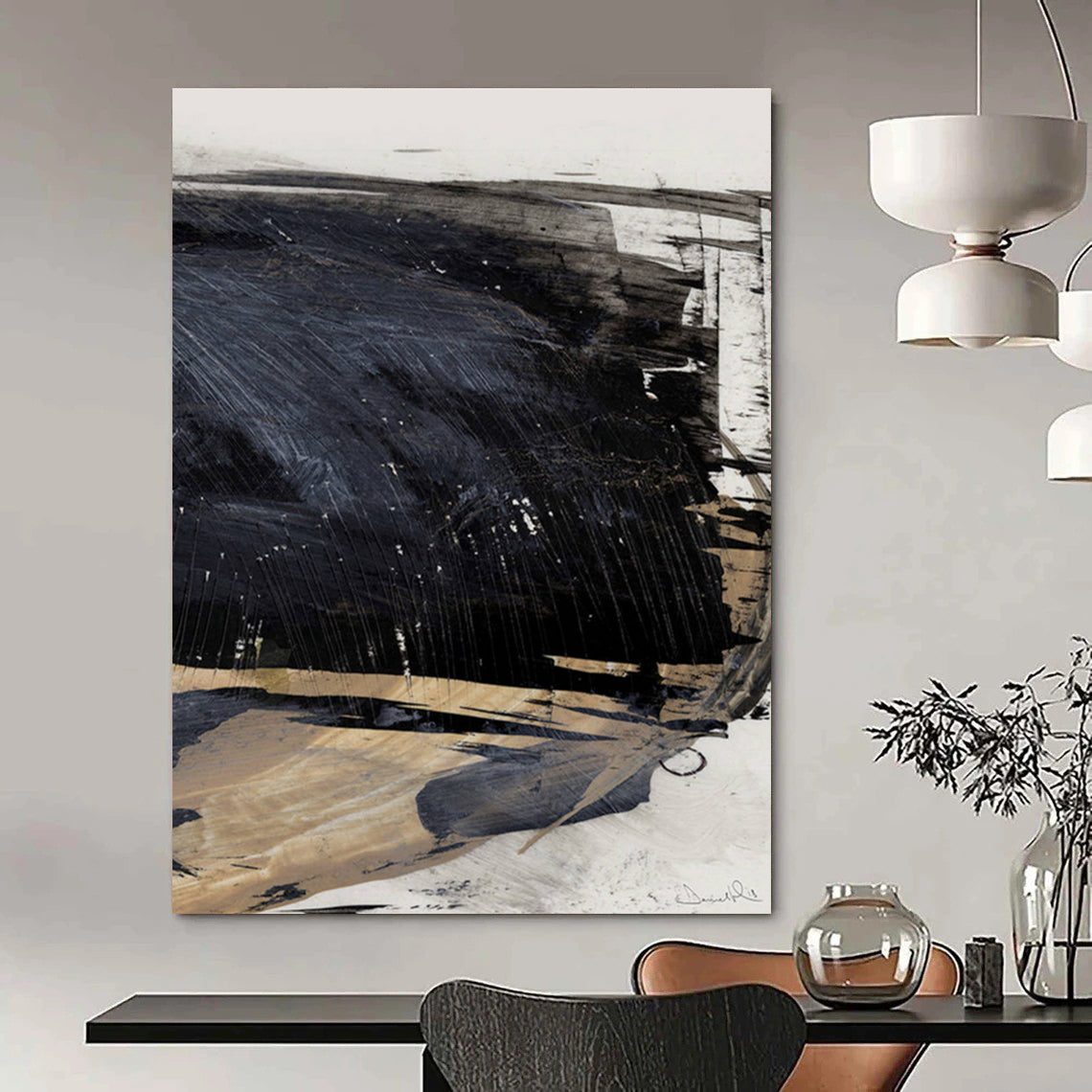

Yellow abstract art captivates the imagination with its bold, luminous energy, evoking feelings of joy, optimism, and intellectual stimulation. This genre, where form and color take precedence over representational imagery, has evolved into a powerful medium for emotional expression. At its core, yellow abstract art represents a fusion of vibrant hues and non-figurative designs that can transform any space into a beacon of positivity. Artists have long been drawn to yellow for its associations with sunlight, warmth, and enlightenment, making it a staple in abstract compositions that challenge viewers to engage on a deeper, more introspective level.
The roots of abstract art trace back to the early 20th century, when pioneers began to break away from traditional depictions of the physical world. Abstract art emerged as a revolutionary movement, emphasizing pure form, color, and line to convey inner experiences rather than external realities. Yellow, in particular, played a pivotal role in this shift, symbolizing innovation and spiritual awakening. Influenced by scientific advancements and philosophical ideas of the time, artists experimented with color as a standalone element, free from narrative constraints. This departure from realism allowed for a more universal language, where yellow could represent everything from the glow of a new dawn to the intensity of human emotion.

One of the most influential figures in this domain was Wassily Kandinsky, often credited as one of the fathers of abstraction. Born in Russia in 1866, Kandinsky's journey into non-representational art was profoundly shaped by his synesthetic experiences, where he perceived colors as sounds and vice versa. Yellow, for him, resonated like a trumpet's blast—sharp, expansive, and full of vitality. In works such as his improvisations and compositions, yellow bursts forth in dynamic contrasts, creating a sense of movement and spiritual elevation. Kandinsky's theoretical writings, like "Concerning the Spiritual in Art," argued that colors like yellow could evoke profound inner resonances, bypassing the need for recognizable subjects. His use of yellow in abstract forms inspired generations, showing how this color could dominate a canvas to stir the soul without relying on familiar shapes.
Building on Kandinsky's foundations, the mid-20th century saw the rise of color field painting, where large expanses of color became the primary focus. Mark Rothko, an American artist of Latvian origin, mastered this approach with his monumental canvases featuring floating rectangles of color. Rothko's yellow-infused pieces, such as those in his later series, radiate a subtle luminosity that invites contemplation. He believed that yellow could convey tragedy and ecstasy simultaneously, using it to create emotional depth through layered, translucent applications. In Rothko's view, abstract art was not mere decoration but a portal to transcendent experiences. His works, often displayed in dimly lit spaces like the Rothko Chapel, demonstrate how yellow can pulse with quiet intensity, drawing viewers into a meditative dialogue with the artwork.
Parallel to Rothko's serene explorations, action painting brought a more energetic dimension to yellow abstract art. Jackson Pollock, known for his drip technique, incorporated yellow in explosive splatters that captured the chaos and rhythm of creation. Pollock's canvases, laid flat on the floor as he poured and flung paint, featured yellow as a thread of light weaving through darker tones. This method emphasized process over product, with yellow symbolizing spontaneity and the subconscious mind. His iconic pieces, like "Autumn Rhythm," showcase how yellow can energize an abstract composition, adding layers of complexity that reflect the artist's inner turmoil and exuberance.
Another key contributor to the evolution of abstract forms was Piet Mondrian, whose geometric abstractions distilled reality into primary colors and straight lines. While Mondrian is famed for his red, blue, and yellow grids, his use of yellow in works like "Composition with Yellow, Blue, and Red" highlights its role in achieving balance and harmony. Influenced by Theosophy and neoplasticism, Mondrian saw yellow as a fundamental element in creating universal order. His abstract style stripped away the superfluous, leaving yellow to stand as a pure, vibrant force that structures the visual field.
The broader context of modernism in art provided the fertile ground for these developments. Modernism sought to align art with the rapid changes of industrial society, rejecting conservative traditions in favor of innovation. Abstract art, with yellow as a recurring motif, embodied this spirit by experimenting with form and material to reflect modern life's complexities. Museums and galleries worldwide, from the Tate in London to the Museum of Modern Art in New York, have celebrated these works, underscoring yellow's enduring appeal in abstract expressions.

Beyond historical figures, contemporary artists continue to reinvent yellow abstract art, blending traditional techniques with digital tools and mixed media. Today's creators draw from diverse cultural influences, incorporating yellow to address themes like environmentalism, identity, and mental health. For instance, yellow might symbolize hope in pieces responding to global challenges, or it could represent cultural heritage in abstract murals inspired by indigenous patterns. The versatility of yellow allows for endless interpretations, from minimalist designs to textured, layered compositions that play with light and shadow.
In interior design, yellow abstract art serves as a transformative element, infusing rooms with energy and personality. A large yellow abstract canvas can act as a focal point in a neutral living room, drawing the eye and elevating the mood. Designers often pair it with complementary colors like gray or navy to create contrast, or use it in monochromatic schemes for a cohesive, sunny vibe. In workspaces, such art promotes creativity and reduces stress, aligning with color psychology studies that link yellow to enhanced focus and positivity. Bedrooms benefit from softer yellow abstracts, fostering a sense of calm and renewal.
Collecting yellow abstract art has become more accessible, with online platforms offering a wide array of options. Enthusiasts can explore custom pieces that match specific dimensions and styles, ensuring a perfect fit for any environment. The appeal lies in its subjectivity—each viewer interprets the swirls, blocks, and drips differently, making it a personal journey. Art fairs and exhibitions dedicated to abstract works frequently highlight yellow-themed collections, showcasing emerging talents alongside established names.
The psychological impact of yellow in abstract art cannot be overstated. Color theorists note that yellow stimulates the left brain, associated with logic and optimism, making it ideal for evoking joy without overwhelming the senses. In abstract contexts, where there's no literal subject, yellow's warmth encourages emotional connections, turning passive observation into active engagement. This interplay between color and abstraction challenges perceptions, inviting debates on what art truly means in a fragmented world.
As society evolves, yellow abstract art adapts, incorporating sustainable materials and eco-friendly practices. Artists are increasingly using recycled canvases and non-toxic pigments, aligning their work with environmental consciousness. This shift not only preserves the vibrancy of yellow but also adds a layer of meaning, where the art itself becomes a statement on sustainability.
In educational settings, yellow abstract art is used to teach concepts of composition and emotion. Workshops encourage participants to experiment with yellow palettes, discovering how varying shades—from pale lemon to deep mustard—alter the overall feel. This hands-on approach demystifies abstraction, showing it's not about randomness but intentional choices that convey universal truths.
The global reach of yellow abstract art spans cultures, with influences from African textiles to Asian minimalism enriching its palette. In Latin American abstract traditions, yellow often symbolizes the sun's life-giving force, while in European modernism, it represents intellectual pursuit. This cross-cultural dialogue enriches the genre, making it a bridge between diverse artistic heritages.
Ultimately, yellow abstract art endures because it mirrors the human spirit's complexity—bright, unpredictable, and full of potential. Whether through bold strokes or subtle gradients, it invites us to see beyond the surface, embracing the abstract as a path to deeper understanding.
FAQ
What is yellow abstract art? Yellow abstract art is a form of non-representational artwork that uses shades of yellow as a primary element, focusing on shapes, lines, and textures to evoke emotions rather than depict real-world objects.
Why is yellow popular in abstract art? Yellow symbolizes energy, happiness, and creativity, making it a favored choice for artists aiming to convey positivity and stimulate viewer engagement in abstract compositions.
How can I incorporate yellow abstract art into my home? Start with a statement piece in a living area or office; pair it with neutral tones for balance, or use smaller works in galleries to add pops of color.
Who are some famous artists known for yellow abstract art? Pioneers like Wassily Kandinsky and Mark Rothko frequently used yellow, alongside others such as Jackson Pollock and Piet Mondrian in their abstract explorations.
Where can I buy yellow abstract art? Online collections and galleries offer a variety of options, often with customization for size and style to fit your space.
Is yellow abstract art suitable for all interiors? Yes, its versatility allows it to complement modern, minimalist, or eclectic designs, enhancing mood and aesthetics in diverse settings.