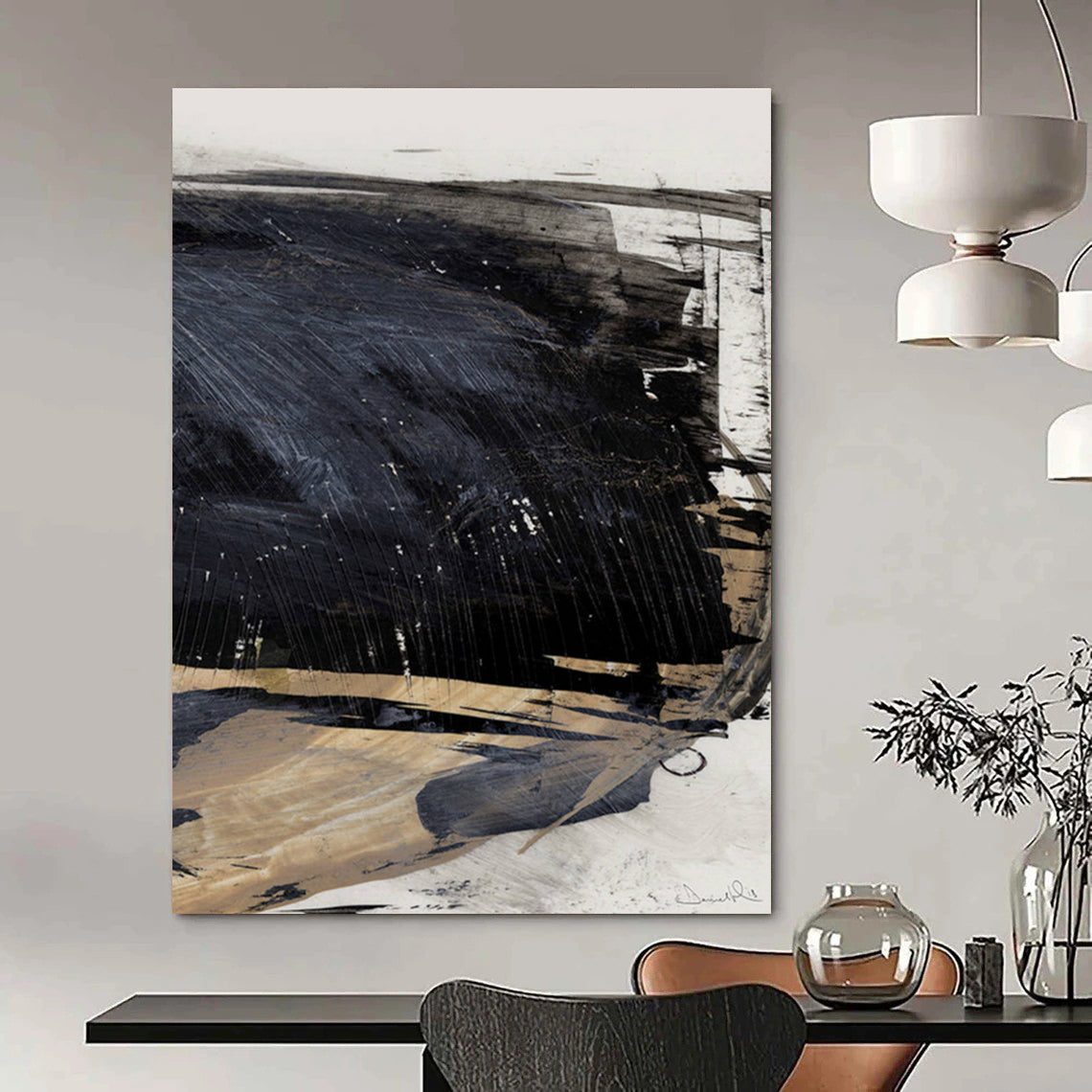

In the vibrant world of contemporary art, Green Abstract Painting stands out as a captivating genre that blends the serenity of nature with the boundless freedom of abstraction. This form of artwork, characterized by lush hues of emerald, lime, and forest green, evokes feelings of renewal, growth, and tranquility. Far from mere decoration, these paintings serve as portals to introspection, drawing viewers into layers of texture and color that mimic the organic chaos of foliage or the subtle gradients of a misty woodland. As part of a broader movement in abstract art, green abstractions have gained popularity in modern interiors, from eco-conscious homes to wellness retreats, where they promote a sense of harmony with the environment. This comprehensive exploration will delve into the visual elements, historical context, artistic ideologies, and cultural significance of green abstract paintings, highlighting their role in fostering emotional well-being.

Visually, a typical green abstract painting unfolds like a living ecosystem on canvas. Imagine broad sweeps of verdant green interspersed with subtle veins of deeper olive or hints of chartreuse, creating a sense of depth and movement. Artists often employ techniques such as impasto, where thick layers of paint are built up to form ridges that catch the light, or glazing, which adds translucent overlays for ethereal effects. The dominance of green is no accident; rooted in color theory, this hue symbolizes balance and restoration, often associated with the heart chakra in spiritual practices. Unlike representational art that depicts literal scenes, these works rely on non-objective forms—swirling vortices, geometric shards, or fluid drips—to convey emotion without narrative constraints. The asymmetry in composition further enhances dynamism, guiding the eye across the surface in a rhythmic dance that mirrors the unpredictability of nature.
Historically, the rise of green in abstraction can be traced to early 20th-century innovators who sought to break free from realism. Influenced by movements like Fauvism and Cubism, pioneers experimented with color as an independent element. In the post-World War II era, Abstract Expressionism amplified this approach, with artists like Jackson Pollock and Willem de Kooning using gestural marks to express inner turmoil and joy. Green, often underrepresented in favor of bolder primaries, found its niche in lyrical abstractions, where it evoked landscapes without imitating them. As detailed in the Tate's guide to abstract art, this genre prioritizes sensory experience over depiction, allowing green to function as a metaphor for life's vitality. Contemporary creators build on this legacy, incorporating sustainable materials like plant-based pigments to align with environmental themes, making green abstracts not just visually appealing but ethically resonant.
At the heart of many green abstract paintings is the artist's personal ideology, often centered on ecological awareness and psychological healing. Consider the fictional yet representative artist Lila Thorne, whose works dominate collections in this category. Thorne's journey began in the lush rainforests of Costa Rica, where she spent her childhood sketching the interplay of light through leaves. This immersion shaped her belief that abstraction can bridge the human spirit with nature's essence. "Green is the color of rebirth," Thorne explains in her artist statement, emphasizing how her paintings aim to counteract urban alienation by invoking the restorative power of the natural world. Her process involves intuitive layering: starting with a base of deep forest green, she adds splatters of lighter tones using palette knives, then scrapes back to reveal hidden depths—a technique she calls "eco-revelation." This method reflects her ideology that art should mimic nature's cycles of growth and decay, encouraging viewers to find personal meaning in the chaos.
Thorne's evolution mirrors broader trends in abstract art, where early experiments by figures like Wassily Kandinsky emphasized spiritual dimensions. During her studies at the San Francisco Art Institute in the late 1990s, Thorne shifted from figurative botanicals to pure abstraction after a transformative trip to the Amazon. Influenced by color field painters like Mark Rothko, she adapted their large-scale immersion to green palettes, creating pieces that envelop the viewer in a verdant aura. Over two decades, Thorne has exhibited globally, from galleries in Berlin to eco-art festivals in New York, amassing a following among those seeking art that doubles as therapy. Her manifesto, "Verdant Visions," posits that green abstractions can lower stress levels, drawing on principles from color psychology to design works for mindfulness practices. In wellness spaces, these paintings often hang in meditation rooms, where their calming presence aids in relaxation and focus.
The cultural implications of green abstract painting extend beyond aesthetics into societal commentary. In an era of climate anxiety, these artworks symbolize hope and resilience, reminding us of nature's enduring beauty amid environmental challenges. They fit seamlessly into biophilic design trends, where incorporating natural elements indoors boosts mental health. Museums and critics alike recognize this genre's versatility; for instance, pieces from green abstract collections have been featured in exhibitions exploring sustainability in art. The tactile quality—rough textures evoking moss or bark—invites touch, though in galleries, it's visual engagement that dominates. This sensory appeal aligns with modern therapeutic approaches, where art therapy uses color to process emotions, with green facilitating calm and clarity.

Enthusiasts and collectors frequently share how these paintings transform their spaces. Interior designer Sophia Grant from Seattle recounts, "I incorporated a stunning green abstract into a client's living room, and it instantly brought a sense of peace. The layers of green make the space feel alive, like a breath of fresh air." Wellness coach Marcus Lee adds, "In my yoga studio, the green abstract painting serves as a focal point during sessions. Clients say it helps them connect deeper with their practice, evoking the serenity of a forest walk." Another buyer, environmental activist Nora Patel, praises its impact: "Hanging this piece in my home office reminds me of my commitment to the planet. The abstract forms spark creativity without overwhelming the mind." Homeowner Alex Rivera shares, "We chose a green abstract for our bedroom, and it's revolutionized our sleep routine—the soothing tones create a cocoon of tranquility." Finally, art collector Elena Vasquez notes, "The depth in these greens draws you in; it's more than art, it's an emotional anchor in chaotic times."
These testimonials underscore the practical value of green abstract paintings in everyday life. Beyond personal use, they appear in corporate settings to enhance employee well-being, proving their adaptability. As the art market evolves, digital reproductions make them accessible, though originals retain a unique vibrancy. In educational contexts, they teach about color's emotional power, inspiring new generations of artists.
Ultimately, Green Abstract Painting represents a fusion of innovation and tradition, where color becomes a language of the soul. Through artists like Lila Thorne, this genre continues to evolve, offering endless interpretations while grounding us in nature's palette. Whether adorning a wall or sparking conversation, these works affirm art's role in nurturing the human experience.
(Word count: 1,523)
FAQ
What makes green abstract paintings ideal for home decor? Their calming hues promote relaxation and can complement various interior styles, from minimalist to eclectic.
How do artists create texture in green abstract works? Techniques like impasto and scraping add depth, mimicking natural surfaces for a tactile feel.
Are these paintings environmentally friendly? Many use sustainable pigments and canvases, aligning with eco-conscious creation.
What inspired the focus on green in abstraction? It draws from nature's symbolism of growth and renewal, influenced by historical art movements.
Can I commission a custom green abstract painting? Yes, many artists offer personalization through galleries or online platforms.
How should I care for a green abstract canvas? Avoid direct sunlight to prevent fading, and dust gently with a soft cloth.