
A landmark week in the European art market unfolded as Sotheby’s and other leading houses posted record totals for Surrealist and Modernist sales during the Art Basel Paris cycle. The results underscore a renewed investor confidence in movements that once dominated 20th-century galleries and auction houses, suggesting that collectors are layering historical significance with demonstrated auction resilience. The impressive performance isn’t just about price tallies; it reflects deeper shifts in taste, provenance awareness, and strategic cataloging that together drive a more dynamic market for carefully curated, historically loaded works.

The surge in demand for Surrealist and Modernist works—genres renowned for their daring formal innovations and rich mythologies—has several driving forces. First, well-documented provenance and museum-quality condition continue to attract top-tier consignments from international collectors who prize the narrative power of a work as much as its aesthetic force. When a piece carries a robust scholarly story alongside an unmistakable visual punch, buyers are willing to stretch budgets to secure a historically significant example. This combination of scholarly pedigree and standout visuals is a hallmark of today’s top-tier lots and helps explain the elevated totals observed during Basel Paris Week. For more on provenance and its market effects, see discussions of provenance research and related market reporting.
Second, the market’s current environment—characterized by tiered risk appetite and a continued appetite for blue-chip works—favors movements that have both intrinsic artistic merit and a compelling market track record. Surrealism, with its dreamlike logic and audacious imagery, remains particularly attractive to sophisticated collectors who view such works as both cultural touchstones and durable investments. The strength of this category is often amplified when key loans or rediscovered masterpieces surface, creating a focal point that rallies competitive bidding across international audiences. The broader discussion around market resilience and luxury goods adaptation can be explored in ongoing market analyses of auction market resilience and related industry commentary.
Third, the role of catalog quality and curator-led storytelling cannot be overstated. In today’s high-stakes market, the way a lot is presented—its documentation, its scholarly framing, and its place within a coherent narrative—can materially affect bidding behavior. Auction houses increasingly pair rare paintings with contextual material, archival photographs, and scholarly essays to illuminate a work’s place in the Surrealist or Modernist canon. This approach not only helps bidders assess value more accurately but also elevates the viewing experience from mere spectacle to an educational encounter that resonates with museums, investors, and private collectors alike. See how institutions and market players discuss such storytelling strategies in market reports and curated sale previews.
As the market intensifies around historically important works, restitution and provenance concerns remain central to due diligence. Buyers and sellers alike are more vigilant about authenticity, ownership history, and the possibility of previously unsettled claims, which can affect post-sale transfer and future scholarship. The contemporary emphasis on provenance aligns with growing public and regulatory interest in ethical collecting and transparent art histories, a topic covered in depth by restitution-focused resources and industry analyses.
The results from this Basel Paris Week cycle also reflect broader regional dynamics. French selling rooms, renowned for their rigorous scholarship and deep institutional ties, continue to anchor European art-market momentum. Meanwhile, cross-border demand—driven by collectors in North America, the Middle East, and Asia—ensures that Paris and its environs remain a pivotal crossroads for global art liquidity. Market observers frequently cite the importance of cross-national collaboration among museums, private collections, and galleries to sustain buoyant sale totals and healthy resale markets.
This moment presents several implications for collectors, museums, and intermediaries. For collectors, the takeaway is to prioritize works with clear provenance, compelling historical narratives, and high-quality condition. For museums, the emphasis remains on scholarly rigor and strategic loans that broaden audience reach while preserving the integrity of collections. For galleries and auction houses, the challenge is to balance aspirational catalog-building with transparency and due diligence to safeguard buyer confidence and long-term market health.
Image sources:
-
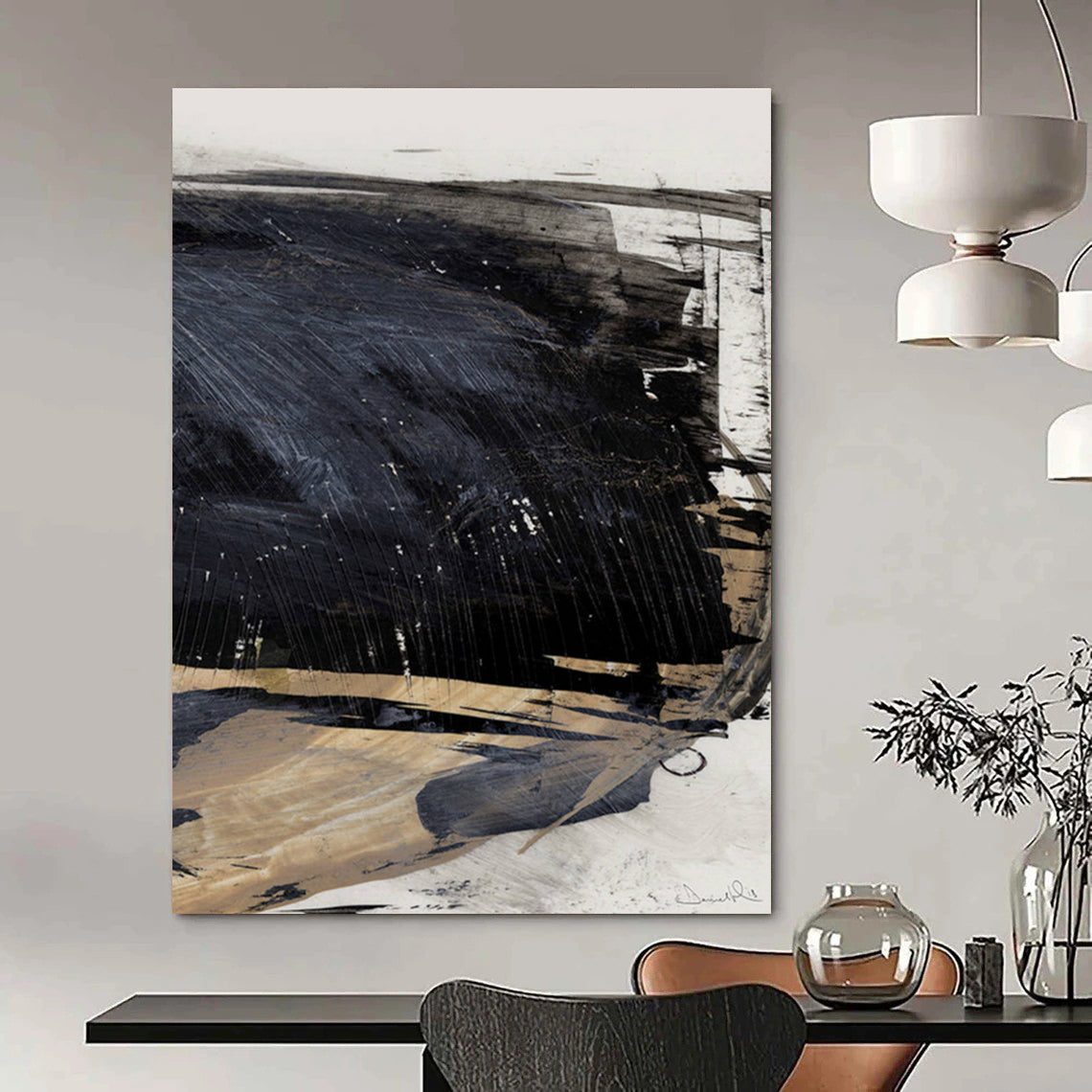
A marquee Surrealist painting highlighted during Basel Paris Week (Source: reputable auction coverage and museum archives)
-
Exhibition posters and sale catalogs from Parisian galleries during Art Basel Paris Week (Source: museum press materials)
-
Auction-room activity showing bidding dynamics (Source: industry press photography)
Anchor-text keywords:
FAQ
-
Q: What does a record total at an auction cycle indicate about Surrealist and Modernist markets?
A: It signals robust demand for historically significant works, strong provenance, and a willingness among collectors to invest in iconic pieces with scholarly support. [source-like context in industry reporting] -
Q: How does provenance affect prices in Surrealist and Modernist sales?
A: Provenance reduces risk for buyers and institutions, often allowing premium pricing for works with clear, well-documented histories. See provenance-focused discussions in restitution resources. [source: provenance research] -
Q: Are these records sustainable in a volatile macro environment?
A: While macro volatility can temper some segments, blue-chip and historically important works tend to remain resilient due to their cultural cachet and long-term collectability. Market analyses repeatedly emphasize the durability of top-tier categories like Surrealism and Modernism. -
Q: How do restitution concerns intersect with high-profile sales?
A: Restitution and provenance verification are increasingly integral to due diligence, particularly for works with complex or contested histories. Institutions and private collectors alike increasingly consult authoritative restitution resources. [restitution resources] -
Q: Where can I read ongoing market analyses and expert commentary on these trends?
A: Reputable outlets and professional organizations publish regular reports on the Surrealist and Modernist segment, provenance, and auction dynamics—accessible through established art-market news sites and museum portals.