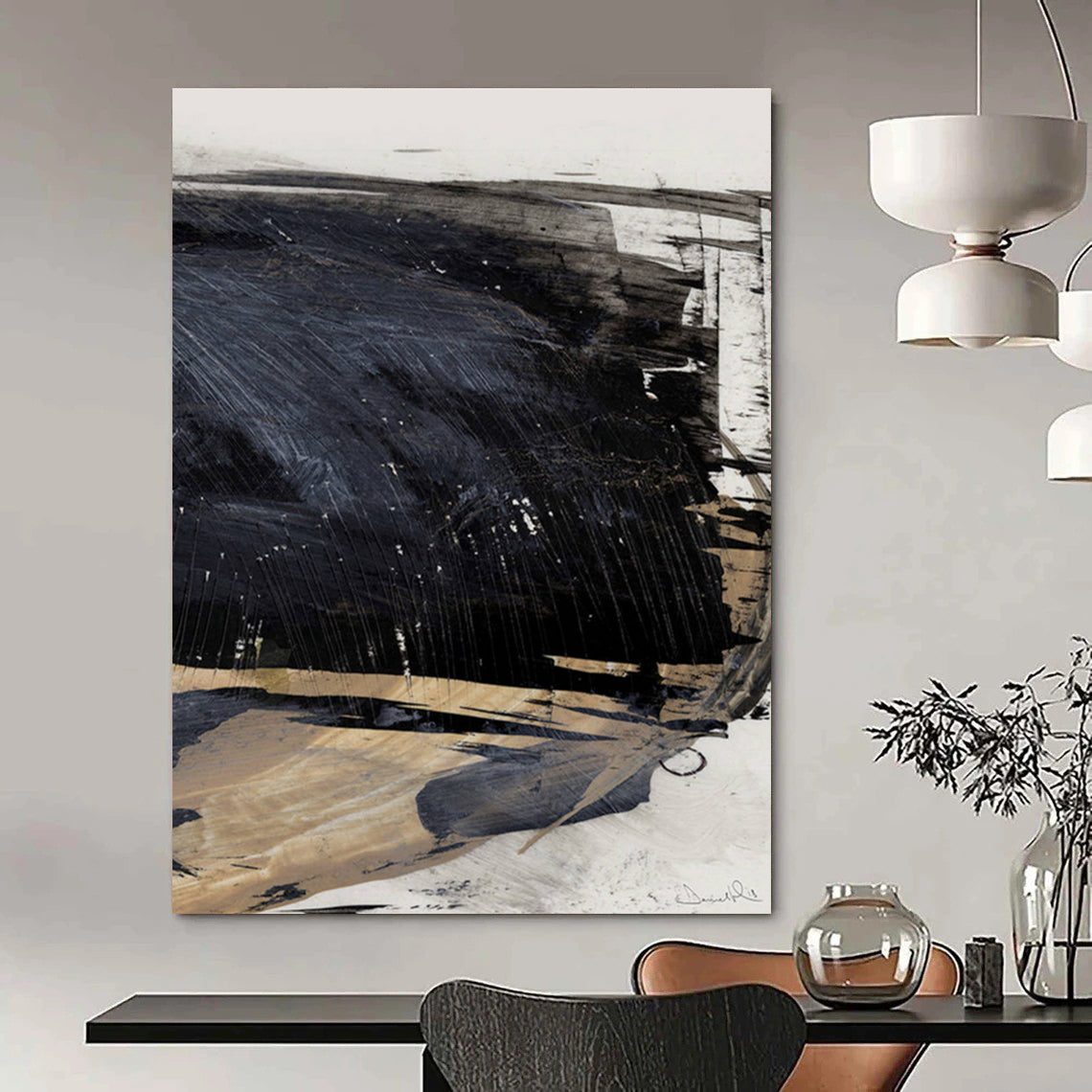

Red is a color that commands attention, stirring a whirlwind of emotions and associations that span from the flames of passion to the warnings of danger. Often linked to fire and blood, red embodies contradictions—symbolizing both love and anger, vitality and aggression. In the realms of art and design, red's potency lies in its ability to evoke intense reactions, making it a staple for creators seeking to provoke, inspire, or direct. This article delves deeply into the psychology of color, exploring red's emotional impact, cultural variations, historical applications in fine art and branding, and practical tips for harnessing its energy effectively. By examining red's multifaceted presence, we aim to provide a comprehensive guide that encourages thoughtful integration in creative endeavors.
:max_bytes(150000):strip_icc()/the-color-psychology-of-red-2795821-7985a2837e83481c9512f3f71b20164d.jpg)
The Psychology Behind Red: A Color of Intensity and Arousal
At its core, red is a psychological powerhouse, deeply embedded in human subconscious due to evolutionary ties with survival instincts. Studies, such as a 2015 research published in the journal Frontiers in Human Neuroscience, demonstrate that exposure to red can elevate heart rates and induce physiological arousal, mimicking responses to threats or excitement. This stems from primal associations: red signals blood, indicating injury or vitality, and fire, representing warmth or destruction. Psychologically, red evokes a spectrum of emotions:
- Passion and Love: Red is synonymous with romance, as seen in red roses gifted on Valentine's Day, symbolizing deep affection and desire.
- Anger and Aggression: Phrases like "seeing red" capture its link to rage, where it amplifies feelings of hostility.
- Power and Dominance: Red conveys authority, evident in red carpets for celebrities or red ties worn by leaders to project confidence.
- Danger and Warning: It's universally used in stop signs, fire alarms, and hazard labels to alert and halt action.
- Excitement and Energy: Red stimulates adrenaline, making it ideal for energizing environments.
- Courage and Bravery: Appearing in 75% of national flags, red often represents sacrifice and heroism.
- Hunger and Appetite: Fast-food chains leverage red to trigger cravings, as it accelerates metabolism and draws the eye.
These effects are not merely cultural but biological, with red's long wavelength making it the first color the human eye detects. However, overuse can lead to overstimulation, highlighting the need for balance in application.
Cultural Meanings of Red: A Global Tapestry of Symbolism
Red's significance transcends borders, shaped by historical, religious, and societal contexts. While universally tied to blood and fire, its interpretations vary dramatically:
- In China and East Asia: Red epitomizes good fortune, happiness, and prosperity. During Lunar New Year, red envelopes (hongbao) filled with money ward off evil, and red lanterns illuminate celebrations. Brides wear red for joy and to repel misfortune.

- In Some African Cultures: In regions like Ghana and South Africa, red denotes mourning, death, or bloodshed, reflecting solemnity rather than celebration.
- In India: Associated with joy, fertility, and divinity, red adorns brides' saris and is linked to goddesses like Durga. Symbols such as the bindi and sindoor signify marital status and auspiciousness.
- In Western Cultures: Red blends romance (e.g., hearts on Valentine's cards) with peril (e.g., red traffic lights), embodying both allure and caution.
- In the Middle East: It can signify good luck in festivities or martyrdom in historical contexts.
This cultural diversity underscores red's adaptability; what inspires celebration in one society may evoke grief in another. Understanding these nuances is crucial for global artists and designers to avoid miscommunication.
Red in Fine Art: Evoking Emotion and Challenging Perceptions
In fine art, red serves as an emotional conduit, allowing artists to convey inner turmoil, ecstasy, or rebellion. Unlike design's functional approach, art uses red for subjective interpretation, often as a focal point to draw viewers into deeper reflection.
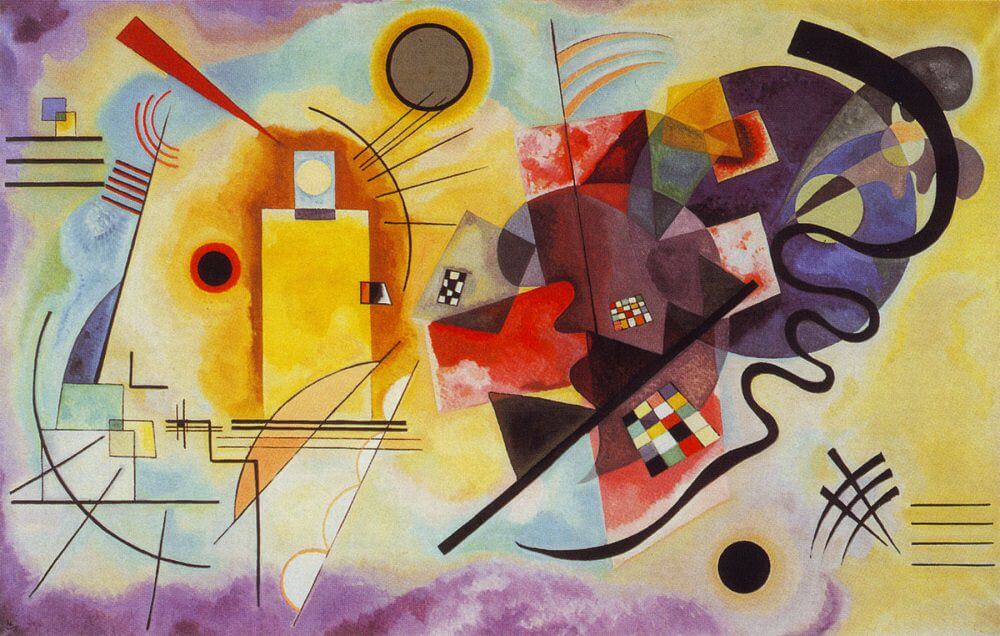
Pioneering abstract artist Wassily Kandinsky viewed red as a symbol of passion, masculinity, and boundless energy, incorporating it in works like Yellow-Red-Blue (1925) to create dynamic tension and spiritual resonance.
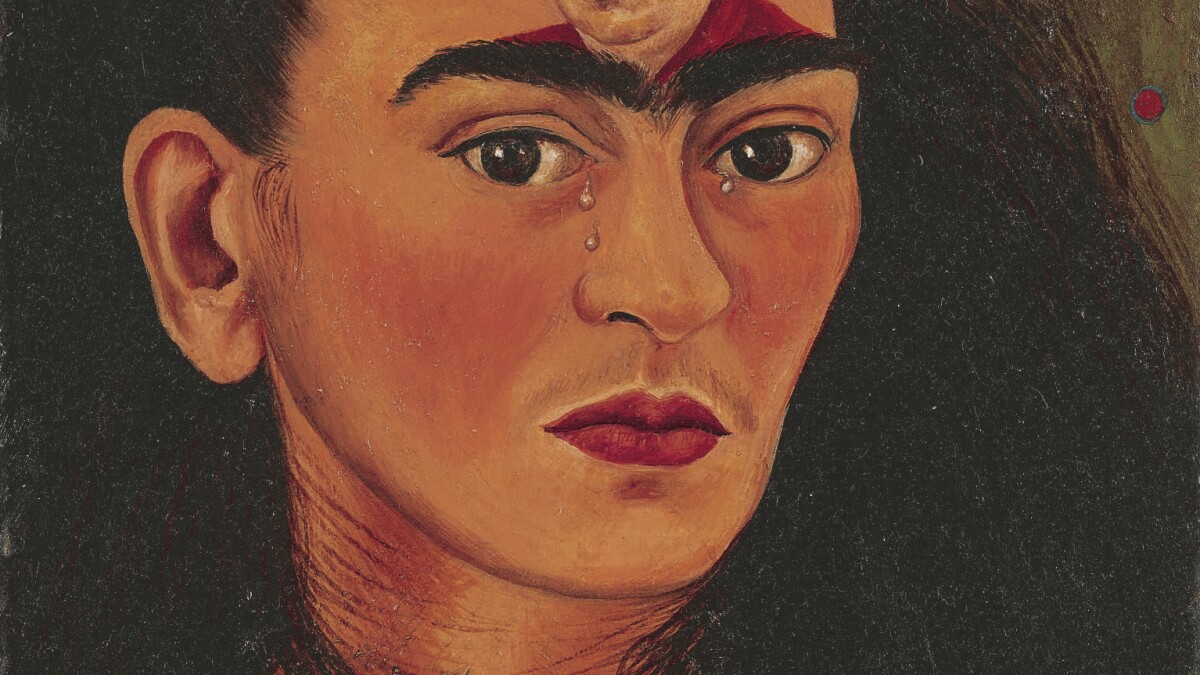
Similarly, Frida Kahlo infused red with personal symbolism in her self-portraits, representing health, eroticism, and defiance against societal norms. In pieces like Diego and I (1949), red accents amplify themes of love and pain.
Historically, red has appeared in religious art to denote sacrifice (e.g., Christ's blood) or in Renaissance portraits to signify status. Its versatility allows artists to manipulate mood—deep crimsons for melancholy, bright scarlets for vitality—fostering profound viewer engagement.
Red in Design and Branding: Directing Behavior and Capturing Attention
In contrast to art's exploratory nature, design employs red strategically to achieve specific outcomes, such as guiding user actions or reinforcing brand identity. Red's high visibility makes it perfect for urgency and emphasis.
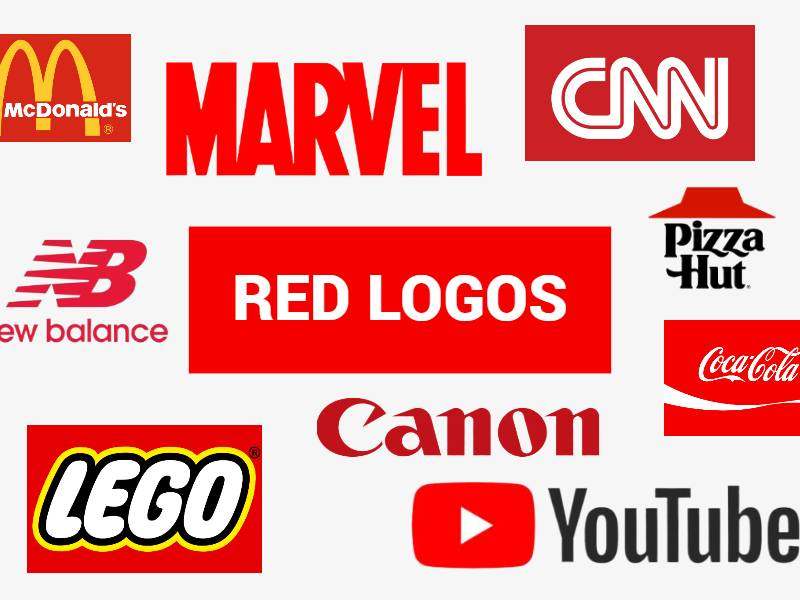
In branding, iconic examples abound: Coca-Cola's signature red evokes energy, tradition, and happiness, stimulating appetite and warmth.

Netflix uses red to signal excitement and immersion, reminiscent of red-carpet premieres. Red Bull aligns it with power and adventure, while Target's bullseye conveys precision and value. In graphic design, red highlights calls-to-action like "Buy Now" buttons, and in UI, it flags errors or deletions for caution.
Product design incorporates red for safety, such as emergency brakes or fire extinguishers. However, experts warn against overuse, as it can overwhelm; as designer Faye Brown notes, "Red demands attention, so make sure it's attracting the right sort."
How to Use Red Effectively: Tips for Artists and Designers
Mastering red requires intentionality to maximize impact without fatigue:
For Artists:
- Create focal points by placing red against muted palettes for emphasis.
- Symbolize emotions: Use burgundy for introspection or vermilion for exuberance.
- Establish mood through dominance—red-heavy compositions evoke urgency or drama.
- Experiment in abstracts to play with perception and depth via shadows.
- Balance with complements like green for harmony.
For Designers:
- Communicate urgency in CTAs or alerts.
- Evoke excitement in food and entertainment branding.
- Build identity with shades matching brand ethos (e.g., deep red for luxury).
- Enhance contrast for readability, pairing red with white or black.
- Use sparingly: As teacher Duplo advises, "Red is often overused... consider your usage carefully and precisely."
By contextualizing red's application, creators can harness its force to inspire lasting impressions.
Conclusion: Harnessing Red's Timeless Influence
Red remains a dynamic force in human experience, influencing moods physiologically and psychologically while adapting to cultural lenses. From Kandinsky's energetic abstractions to Coca-Cola's appetizing allure, red's versatility drives passion and action. Success lies in mindful use—balancing its intensity with purpose to create resonant art and effective designs. As we continue to explore color's depths, red invites us to see the world with renewed vigor.
FAQ
What are the main psychological effects of the color red?
Red typically evokes high arousal, increasing heart rate and stimulating emotions like passion, anger, power, and excitement. It can also trigger appetite and signal danger.
How does red's meaning vary across cultures?
In China, red symbolizes prosperity and good luck; in India, it represents joy and fertility; in some African cultures, it signifies mourning; and in the West, it blends love with warning.
Which famous artists have prominently used red in their work?
Artists like Wassily Kandinsky used red for energy and passion, while Frida Kahlo incorporated it to symbolize health, rebellion, and eroticism in her self-portraits.
Why is red popular in branding and design?
Red grabs attention, conveys urgency, and stimulates action, making it ideal for brands like Coca-Cola (energy) and Netflix (excitement). It's used strategically for visibility and emotional impact.
What tips should beginners follow when using red in art or design?
Use red sparingly to avoid overstimulation; create focal points or contrasts; consider cultural contexts; and experiment with shades to match the intended mood or message.
Can red have negative effects in creative work?
Yes, overuse can cause visual fatigue or convey unintended aggression. Always balance it with other colors and test for audience response.