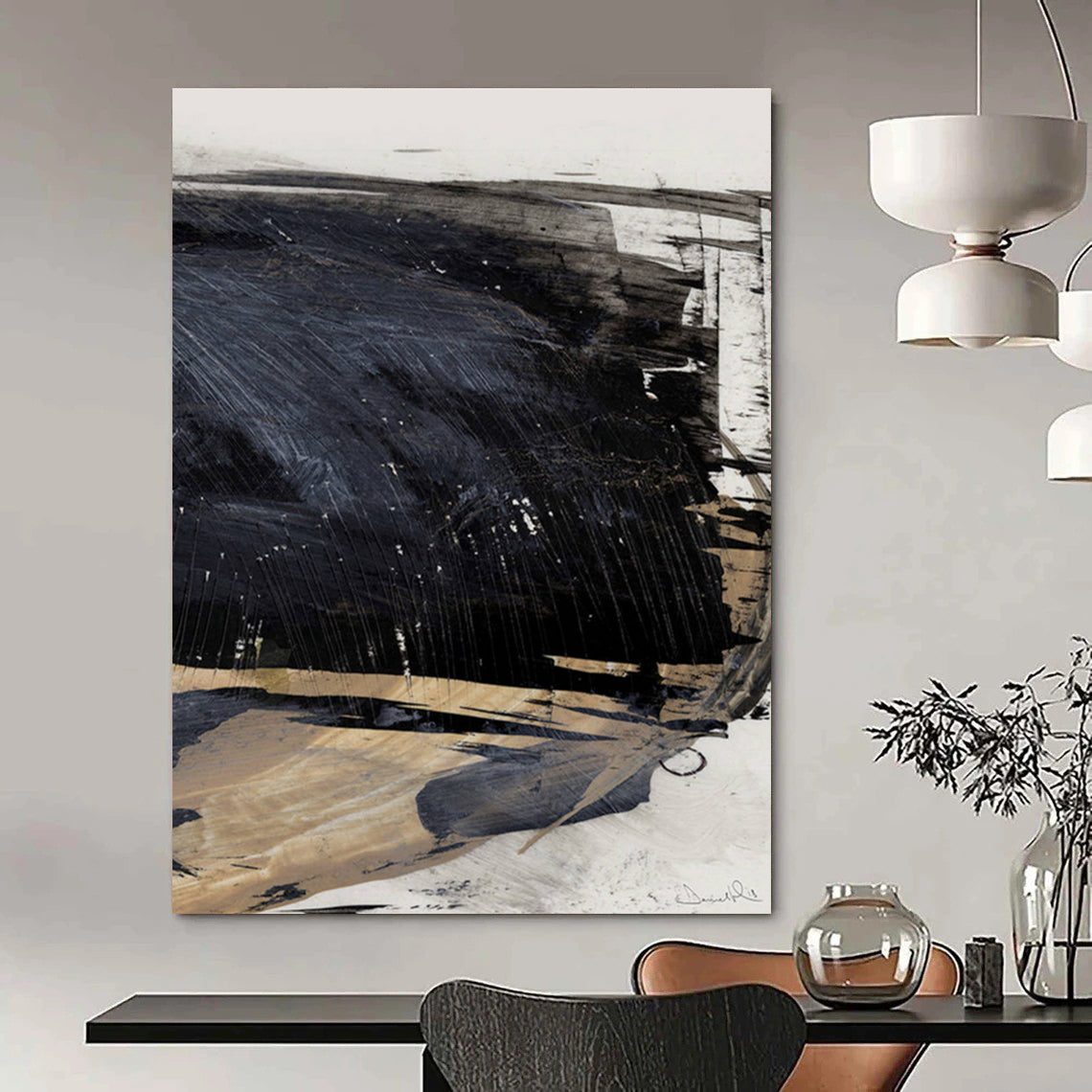

In the vast landscape of contemporary art, few genres captivate the imagination quite like Pink Abstract Painting. This mesmerizing form blends the ethereal qualities of pink hues with the boundless freedom of abstraction, creating works that evoke a spectrum of emotions from serenity to passion. Pink, often associated with femininity, tenderness, and romance, takes on new dimensions when stripped of representational constraints, allowing artists to explore pure form, texture, and color dynamics. As we delve into this enchanting world, we uncover the historical roots, influential artists, philosophical underpinnings, and practical applications of pink abstract works, revealing why they continue to enchant collectors and decorators alike.

The origins of abstract art trace back to the early 20th century, when pioneers like Wassily Kandinsky and Kazimir Malevich sought to liberate painting from the shackles of realism. Kandinsky, in particular, viewed abstraction as a spiritual endeavor, where colors could resonate like musical notes. Pink, though not as dominant as primaries in early abstractions, emerged as a subtle yet powerful tool for conveying nuance. In the post-war era, Abstract Expressionism further propelled this movement, with artists pouring emotions onto canvas through gestural strokes. Here, pink began to symbolize rebirth and optimism amid the chaos of modernity. Think of the soft, diffused pinks in the works of color field painters, who used large swaths of color to immerse viewers in contemplative spaces.
Central to understanding pink abstract painting is color theory, which examines how hues interact to create harmony or tension. Pink, derived from red mixed with white, embodies warmth tempered by lightness. In abstraction, artists manipulate its saturation and value to achieve depth without literal forms. For instance, a pale blush might suggest fragility, while a vibrant fuchsia conveys energy and defiance. This theoretical foundation allows pink abstracts to transcend mere decoration, becoming emotional conduits. According to Tate's definition of abstract art, such works prioritize shapes and colors over depiction, inviting personal interpretation. In pink-dominated pieces, this invitation feels particularly intimate, as the color's associations with love and compassion draw viewers inward.
One cannot discuss pink abstract painting without highlighting trailblazing artists who have wielded this hue masterfully. Helen Frankenthaler, a pivotal figure in postwar American art, revolutionized the medium with her soak-stain technique. By pouring thinned paint onto unprimed canvas, she created luminous fields where pinks bled into surrounding colors, evoking landscapes of the mind. Her iconic piece "Mountains and Sea" from 1952, though not exclusively pink, influenced subsequent generations to experiment with fluid, organic forms in rosy tones. Frankenthaler's approach emphasized process over product, aligning with the ethos of abstraction where the act of creation mirrors life's unpredictability.

Building on Frankenthaler's legacy, contemporary artists continue to push boundaries. Georgia O'Keeffe, known for her magnified florals, occasionally ventured into abstraction with pink-infused palettes that hinted at natural forms without explicit representation. More recently, artists like Yayoi Kusama incorporate pink in polka-dotted infinities, blending pop with abstraction to explore themes of obsession and infinity. In the digital age, pink abstracts have evolved further, with creators using software to layer virtual pinks in ways impossible on traditional canvas. This evolution underscores pink's versatility: soft and inviting yet capable of bold statements when contrasted with neutrals or primaries.
Philosophically, pink abstract painting often grapples with themes of identity and perception. In a world where gender norms have historically tied pink to femininity, abstract works subvert these expectations by detaching color from context. Feminist artists, for example, reclaim pink as a symbol of empowerment rather than stereotype. The color's soothing properties also make it ideal for therapeutic art, where abstracts in pink tones promote mindfulness and emotional healing. Psychologists note that exposure to pink can reduce aggression and foster calm, making these paintings perfect for wellness spaces. This intersection of art and psychology highlights how pink abstracts serve not just as visual delights but as tools for personal growth.
From a technical standpoint, creating a pink abstract painting involves careful consideration of materials and methods. Artists typically start with high-quality acrylics or oils, mixing pigments to achieve the desired shade—be it a subtle millennial pink or a deep raspberry. Layering techniques, such as glazing or impasto, add texture, giving the work a tactile quality that enhances its abstract nature. Canvases are often large-scale to immerse the viewer, with compositions relying on asymmetry or repetition to guide the eye. The absence of recognizable subjects forces engagement with the raw elements: how does this swirl of pink interact with that streak of white? Such questions keep the artwork alive, evolving with each viewing.
In home and commercial interiors, Pink Abstract Painting has become a staple for those seeking to infuse spaces with warmth and sophistication. Imagine a blush-toned abstract hanging in a minimalist bedroom, its soft gradients complementing neutral linens and creating a sanctuary of peace. In offices, bolder pinks can energize creative teams, sparking innovation through visual stimulation. Designers often pair these pieces with metallic accents or wooden frames to balance the color's sweetness with structure. The rise of online galleries has democratized access, allowing enthusiasts to curate collections that reflect personal tastes without gallery markups.

The appeal of pink abstract painting extends to its collectibility. Limited-edition prints and originals appreciate in value, especially those from emerging artists who blend traditional techniques with modern twists. Auctions frequently feature pink-dominant abstracts, with pieces fetching impressive sums due to their emotional resonance. For novices, starting with affordable reproductions offers a gateway into this world, gradually building toward originals. This accessibility ensures that pink abstracts remain inclusive, appealing to art lovers across economic spectra.
Culturally, pink has undergone a renaissance in recent decades. Once dismissed as frivolous, it now symbolizes resilience—think of the pink hats in women's marches or the color's prominence in LGBTQ+ pride. Abstract paintings capture this shift, using pink to comment on societal changes without overt narrative. In global contexts, artists from Asia incorporate pink with cultural motifs, like cherry blossoms abstracted into fluid forms, bridging Eastern aesthetics with Western abstraction. This cross-pollination enriches the genre, making pink abstracts a mirror to our diverse world.
Challenges in appreciating pink abstract painting often stem from misconceptions. Some view abstraction as inaccessible, but education demystifies it. Workshops and online tutorials teach how to "read" these works, focusing on emotional response rather than literal meaning. Critics argue that pink's popularity risks oversaturation, yet innovative artists continually reinvent it, ensuring freshness. Sustainability also plays a role, with eco-friendly pigments and canvases gaining traction among conscious creators.
As we reflect on the enduring allure of Pink Abstract Painting, it's clear that this genre transcends trends. It speaks to our innate desire for beauty and introspection, offering solace in an increasingly chaotic world. Whether through the pioneering soak-stains of Frankenthaler or the bold experiments of today, pink abstracts remind us that art's power lies in its ability to evoke without explaining. In galleries, homes, and hearts, these paintings continue to weave their magic, one hue at a time.
Word count: 1528
FAQ
What defines a pink abstract painting? A pink abstract painting uses various shades of pink as the dominant color in non-representational forms, focusing on emotion, texture, and composition rather than depicting real-world objects.
How can I incorporate pink abstract art into my home decor? These paintings work well in bedrooms for a calming effect or living areas for a pop of color; pair them with neutral furniture to let the artwork shine.
Who are some influential artists in pink abstract painting? Artists like Helen Frankenthaler and contemporary figures experiment with pink in abstract forms, drawing from movements such as color field painting.
What materials are commonly used in creating pink abstract paintings? High-quality acrylics, oils, or mixed media on canvas are standard, allowing for vibrant pinks and varied textures.
Is pink abstract painting suitable for all art collectors? Yes, its emotional depth and aesthetic appeal make it accessible for beginners and seasoned collectors alike, with options ranging from affordable prints to valuable originals.
How has the perception of pink in art evolved over time? Once tied to femininity, pink now represents empowerment and diversity, reflected in abstract works that challenge traditional associations.