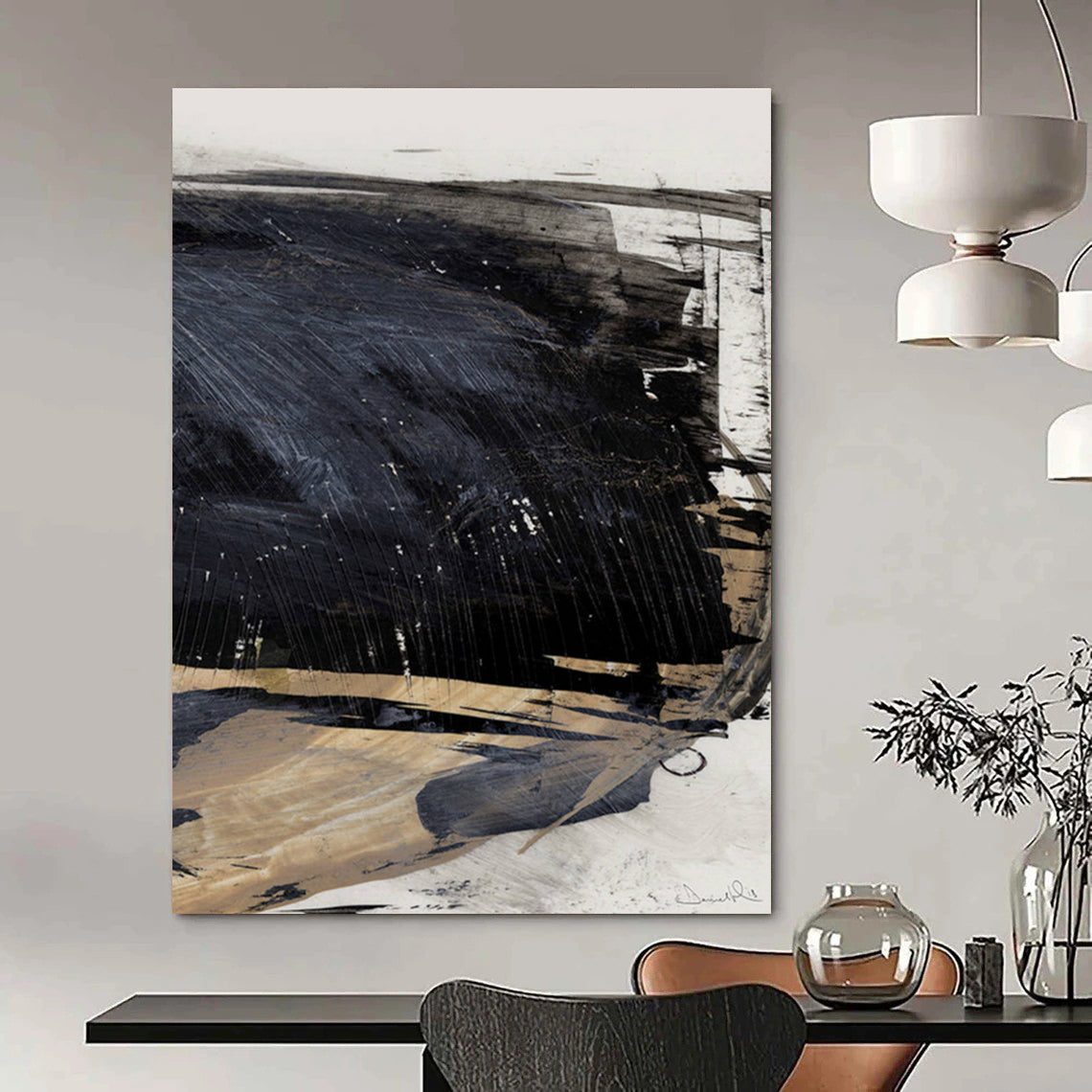

Brown abstract art captivates with its subtle depth and grounding presence, blending the warmth of earth tones with the boundless freedom of abstraction. This genre draws from nature's palette—think rich chestnuts, soft taupes, and deep umbers—while eschewing literal representations to evoke emotions, memories, and introspection. In a world dominated by vibrant primaries and stark monochromes, brown abstract art offers a sophisticated alternative, inviting viewers to explore texture, form, and subtlety. Whether adorning a cozy living room or a modern office, pieces in this style create a sense of stability and warmth, making them ideal for spaces that seek harmony rather than bold statements. As we delve into the nuances of Brown Abstract Art, we'll uncover its historical roots, influential artists, symbolic meanings, and practical applications in contemporary life.

The origins of abstract art trace back to the late 19th and early 20th centuries, when artists began challenging traditional representational forms. Pioneers sought to express inner realities through non-objective means, influenced by rapid societal changes like industrialization and scientific advancements. For a deeper understanding, consider the history of abstract art, which highlights figures like J.M.W. Turner, whose ethereal landscapes blurred into abstraction through light and atmosphere, and Piet Mondrian, who reduced forms to geometric essentials in pursuit of pure harmony. Wassily Kandinsky, often credited as the father of abstraction, believed art should resonate like music, evoking spiritual responses without depicting the physical world. His works, infused with bold colors and dynamic shapes, paved the way for later explorations, including those incorporating earthy tones like brown to convey grounded, contemplative moods.
In the realm of brown abstract art specifically, the color brown plays a pivotal role, symbolizing earthiness, reliability, and introspection. Unlike brighter hues that demand attention, brown invites quiet reflection, often evoking soil, wood, or autumn leaves. This tonal choice aligns with abstract principles by allowing artists to focus on texture and layering rather than narrative. Brown can represent stability in turbulent times, a theme resonant in post-war art movements. For instance, in the broader context of Abstract Expressionism, artists like Mark Rothko used muted palettes, including browns, to create immersive color fields that encouraged emotional immersion. Rothko's rectangles of color, floating in ambiguous spaces, often incorporated deep browns to ground the viewer's experience, blending serenity with subtle tension. Similarly, Clyfford Still's jagged forms in earthy tones captured the raw power of nature, using brown to suggest geological depths and human resilience.
Artists working in brown abstract art draw inspiration from diverse sources, including natural landscapes and psychological states. The color's versatility allows for experimentation with techniques like impasto, where thick layers of paint create tactile surfaces, or glazing, which builds translucent depths. Helen Frankenthaler, a key figure in Color Field painting, pioneered soak-stain methods that let pigments bleed into canvas, often resulting in organic, earth-toned abstractions reminiscent of stained wood or eroded stone. Her works demonstrate how brown can soften edges, creating fluid transitions that mimic natural processes. In modern iterations, contemporary creators continue this legacy, incorporating mixed media like sand or rust to enhance the organic feel. For those new to the movement, an introduction to Abstract Expressionism provides valuable insights into how these techniques evolved from gestural action painting to more meditative approaches, influencing today's brown-focused abstractions.
Symbolically, brown abstract art often explores themes of transformation and connection to the earth. In a fast-paced digital age, these pieces serve as anchors, reminding us of elemental truths. Psychologically, brown evokes comfort and security, making it a popular choice for therapeutic environments or personal sanctuaries. Art therapists note that engaging with abstract forms in neutral tones can reduce anxiety, allowing viewers to project their own narratives onto the canvas. This interpretive freedom is a hallmark of abstraction, as outlined in comprehensive resources like the guide to abstract art, which traces its evolution from Kandinsky's spiritual quests to contemporary digital hybrids. Brown variants amplify this by grounding abstract explorations in tangible, relatable hues, bridging the gap between the ethereal and the everyday.
When incorporating brown abstract art into interiors, consider its ability to complement various design styles. In minimalist spaces, a large brown abstract canvas can add warmth without overwhelming the room's clean lines. Pair it with natural materials like leather or wood for a cohesive look. For eclectic settings, mix brown abstractions with pops of contrasting color to create dynamic focal points. Lighting plays a crucial role; warm LED spots can highlight textures, revealing subtle shifts in tone that change with the time of day. Collectors often seek pieces that evolve visually, offering new discoveries upon repeated viewings. Guidance from a buyer's guide for abstract art emphasizes evaluating emotional resonance and technical mastery, such as balanced composition and innovative use of medium, which are especially pertinent when selecting brown-themed works.

Techniques in brown abstract art vary widely, from drip methods inspired by Jackson Pollock to geometric reductions echoing Mondrian. Pollock's chaotic energy, though often in brighter palettes, influenced artists to experiment with gravity and flow, resulting in layered browns that suggest archaeological strata. In contrast, geometric abstraction uses brown to define shapes with precision, creating illusions of depth through shading and overlap. Mixed-media approaches incorporate found objects, like coffee grounds or soil pigments, to infuse authenticity. For a foundational overview, the Abstract art Wikipedia entry details these methodologies, categorizing them within broader historical contexts and highlighting cross-cultural influences, such as Asian ink traditions that parallel Western abstractions in their emphasis on essence over form.
The appeal of brown abstract art lies in its timelessness; it transcends trends, offering enduring elegance. In galleries and homes alike, these pieces foster dialogue, prompting questions about perception and meaning. As society grapples with environmental concerns, brown abstractions gain relevance, symbolizing sustainability and rootedness. Artists today push boundaries by integrating eco-friendly materials, like recycled canvases or natural dyes, aligning form with ethical intent. This evolution ensures brown abstract art remains vibrant, adapting to cultural shifts while honoring its origins.
Beyond aesthetics, brown abstract art can influence well-being. Studies suggest that exposure to abstract forms stimulates brain regions associated with creativity and problem-solving. In educational settings, it encourages open-ended interpretation, fostering critical thinking. For collectors, building a portfolio around brown themes allows for thematic cohesion, perhaps starting with small prints and scaling to statement murals. Online platforms make acquisition accessible, with options for customization in size and framing.
In summary, brown abstract art embodies a harmonious blend of subtlety and profundity, drawing from a rich historical tapestry to offer contemporary relevance. Its earthy tones provide a canvas for personal expression, making it a versatile choice for diverse tastes and spaces.
FAQ
What is brown abstract art? Brown abstract art refers to non-representational artworks that primarily use shades of brown, such as taupe, umber, and chestnut, to explore form, texture, and emotion without depicting recognizable objects. It emphasizes the intrinsic qualities of color and composition to evoke a sense of grounding and introspection.
Why choose brown tones in abstract art? Brown tones bring warmth and stability, making them ideal for creating calming environments. They symbolize earthiness and reliability, contrasting with brighter colors to offer a more subdued, contemplative experience that complements natural decor elements.
How can I incorporate brown abstract art into my home? Start by selecting pieces that match your room's palette and scale. Hang a large canvas as a focal point in living areas, or use smaller works in bedrooms for serenity. Pair with wooden furniture or neutral textiles to enhance the organic feel.
What techniques are common in brown abstract art? Common techniques include layering paints for depth, using impasto for texture, and employing glazing for subtle tonal shifts. Artists may also incorporate mixed media like natural pigments or found materials to add authenticity.
How do I know if a brown abstract piece is high quality? Look for balanced composition, emotional impact, and skilled execution in elements like color harmony and surface treatment. Research the artist's background and seek pieces from reputable sources to ensure lasting value.
Is brown abstract art suitable for beginners in art collecting? Absolutely; its approachable tones make it less intimidating than bolder abstractions. Begin with affordable prints or online collections to build confidence before investing in originals.