

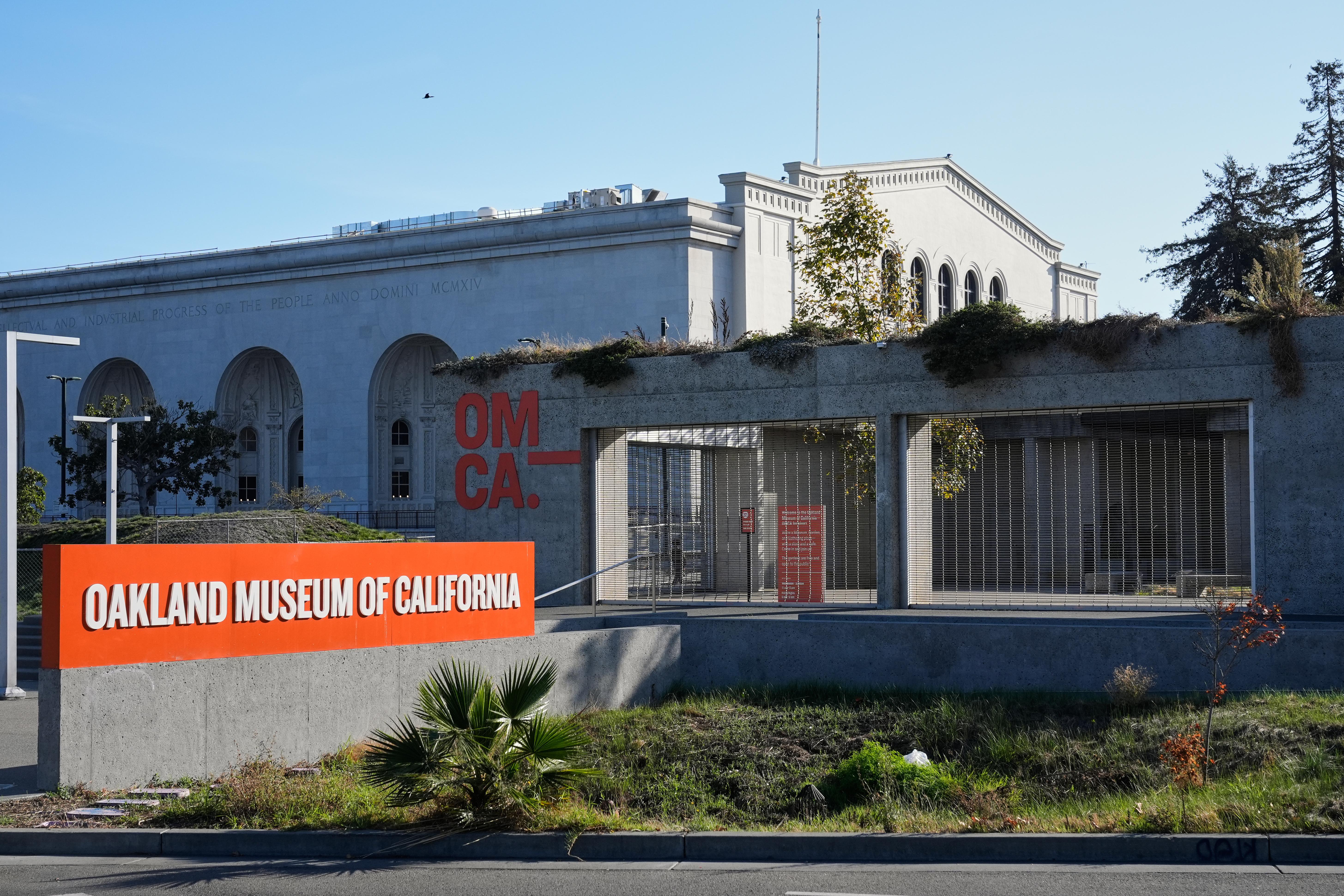
In a shocking blow to California's cultural heritage, thieves made off with more than 1,000 historical artifacts from an off-site storage facility belonging to the Oakland Museum of California in mid-October 2025. This brazen theft, described by museum officials as a "crime of opportunity," has sparked a joint investigation by local police and federal authorities, highlighting ongoing vulnerabilities in museum security and the illicit trade in cultural objects. As details emerge, the incident underscores the fragility of preserving history in an era of rising art crimes. This comprehensive overview delves into the details of the heist, the stolen items, the museum's response, law enforcement efforts, and broader implications for the art world, drawing from recent reports and historical context.

The Incident: A Pre-Dawn Break-In
The robbery unfolded just before 3:30 a.m. on October 15, 2025, at a secure storage facility separate from the museum's main campus in downtown Oakland. According to authorities, one or more suspects forced entry into the building, which is equipped with security cameras and an alarm system, though no alarms were triggered during the intrusion. No museum staff were present at the time, and the theft went unnoticed until the following morning, October 16, when employees arrived and discovered the breach. The museum delayed public announcement for two weeks to avoid compromising the ongoing investigation, a decision that allowed law enforcement to gather evidence without alerting potential suspects.
Museum Chief Executive Officer Lori Fogarty called the event "devastating" and a "real violation," likening it to an invasion of one's home. In a statement, she emphasized the public loss: “The theft that occurred represents a brazen act that robs the public of our state’s cultural heritage. We are working in close partnership with the City of Oakland, the Oakland Police Department and the F.B.I. to see that these objects are returned.” Fogarty also noted that most of the stolen items were donated by generous benefactors, adding an emotional layer to the loss.
Investigators believe the heist was not a meticulously planned operation but rather a spontaneous act by opportunists who may have had insider knowledge of the facility's layout or security weaknesses. Retired Los Angeles Police Capt. John Romero speculated that the perpetrators could include current or former employees, contractors, or vendors familiar with the site, given its off-site location and the absence of high-profile alarms. The exact number of individuals involved remains unclear, and no arrests have been made as of early November 2025.
The Stolen Artifacts: A Treasure Trove of California's History
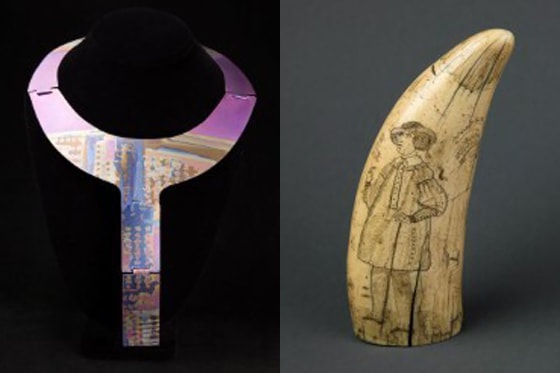
The haul from the heist includes over 1,000 items, ranging from priceless historical artifacts to modern electronics. Among the missing pieces are Native American baskets, intricately carved ivory walrus tusks (scrimshaw) from the 19th century, daguerreotype photographs depicting early Californian life, sterling silver jewelry such as a necklace by artist Florence Resnikoff, political pins, award ribbons, souvenir tokens, and even laptops used by museum staff. The total monetary value has yet to be fully assessed, but the cultural significance is immense, as these objects represent key elements of California's diverse heritage, including Indigenous artistry and Gold Rush-era memorabilia.
Particularly poignant are the Indigenous woven goods and scrimshaw tusks, which embody centuries of craftsmanship and storytelling. The daguerreotypes, early photographic portraits, offer irreplaceable glimpses into 19th-century society. Experts worry that these items could enter the black market, where cultural artifacts are often sold on platforms like Craigslist or eBay for quick cash, potentially lost forever to private collections or damaged in transit.

Background on the Oakland Museum of California
Founded in 1969, the Oakland Museum of California is a premier institution dedicated to exploring the state's art, history, and natural sciences. With over 110,000 square feet of gallery space and a collection exceeding two million objects, it serves as a vital resource for researchers, educators, and the public. The museum's off-site storage facility houses items not currently on display, ensuring their preservation while making them accessible for study. Protected by standard security measures, the facility was nonetheless vulnerable to this targeted breach.
This is not the first time the museum has faced theft. In 2012, intruders stole Gold Rush-era pistols and gold nuggets, and in 2014, Andre Taray Franklin was convicted for stealing a 19th-century gold jewelry box, which he attempted to resell. Franklin was also a suspect in the earlier incident but not charged. Fogarty reflected on the recurrence, saying, “Lightning has struck twice in my career,” but remained optimistic: “He was caught, identified and convicted ... and we retrieved the most important and valuable works. I believe these items are going to find their way back to the museum.”
Law Enforcement Response and Investigation
The Oakland Police Department is leading the probe, with support from the FBI's specialized Art Crime Team, a unit of about 20 agents focused on theft, fraud, and antiquities trafficking. The team has a track record of recovering stolen cultural property, and officials are urging the public to provide tips via phone at (510) 238-3951 or online through the FBI's tip line at https://tips.fbi.gov/home or by calling (800) 225-5324.
Experts like Romero suggest that the sheer volume of stolen items—over 1,000—indicates the thieves prioritized quantity over high-value targets, possibly to fence them piecemeal. This approach could complicate recovery, as smaller artifacts are easier to sell discreetly.
Broader Implications and Historical Context
This heist is one of the largest in California history, rivaling incidents like the 2012 theft of $2 million in gold and gems from the California Mining & Minerals Museum in Mariposa, or the 1978 burglary at San Francisco’s M.H. de Young Memorial Museum, where four paintings—including a Rembrandt—were stolen. It comes amid a wave of global art crimes, such as the recent theft of crown jewels from the Louvre in Paris, valued at over $100 million.
The incident raises questions about museum security, especially for off-site storage, and the need for enhanced protections against insider threats. It also spotlights the illicit antiquities market, where stolen goods fuel underground economies. Advocacy groups are calling for stronger laws under frameworks like the Native American Graves Protection and Repatriation Act (NAGPRA) to safeguard Indigenous artifacts.
As the investigation continues, the art community hopes for a swift recovery, preserving these irreplaceable pieces for future generations.
FAQ
What was stolen in the Oakland Museum heist? Over 1,000 items, including Native American baskets, scrimshawed walrus tusks, daguerreotypes, jewelry, political pins, and laptops.
When did the theft occur? The break-in happened just before 3:30 a.m. on October 15, 2025, and was discovered the next day.
Who is investigating the case? The Oakland Police Department, in collaboration with the FBI's Art Crime Team.
Has the museum experienced thefts before? Yes, in 2012 and 2014, involving Gold Rush artifacts and a gold jewelry box; one perpetrator was convicted.
How can the public help? Provide tips to Oakland PD at (510) 238-3951 or the FBI at https://tips.fbi.gov/home or (800) 225-5324.
What is the cultural impact of this theft? It robs the public of California's heritage, affecting research, education, and Indigenous cultural preservation.