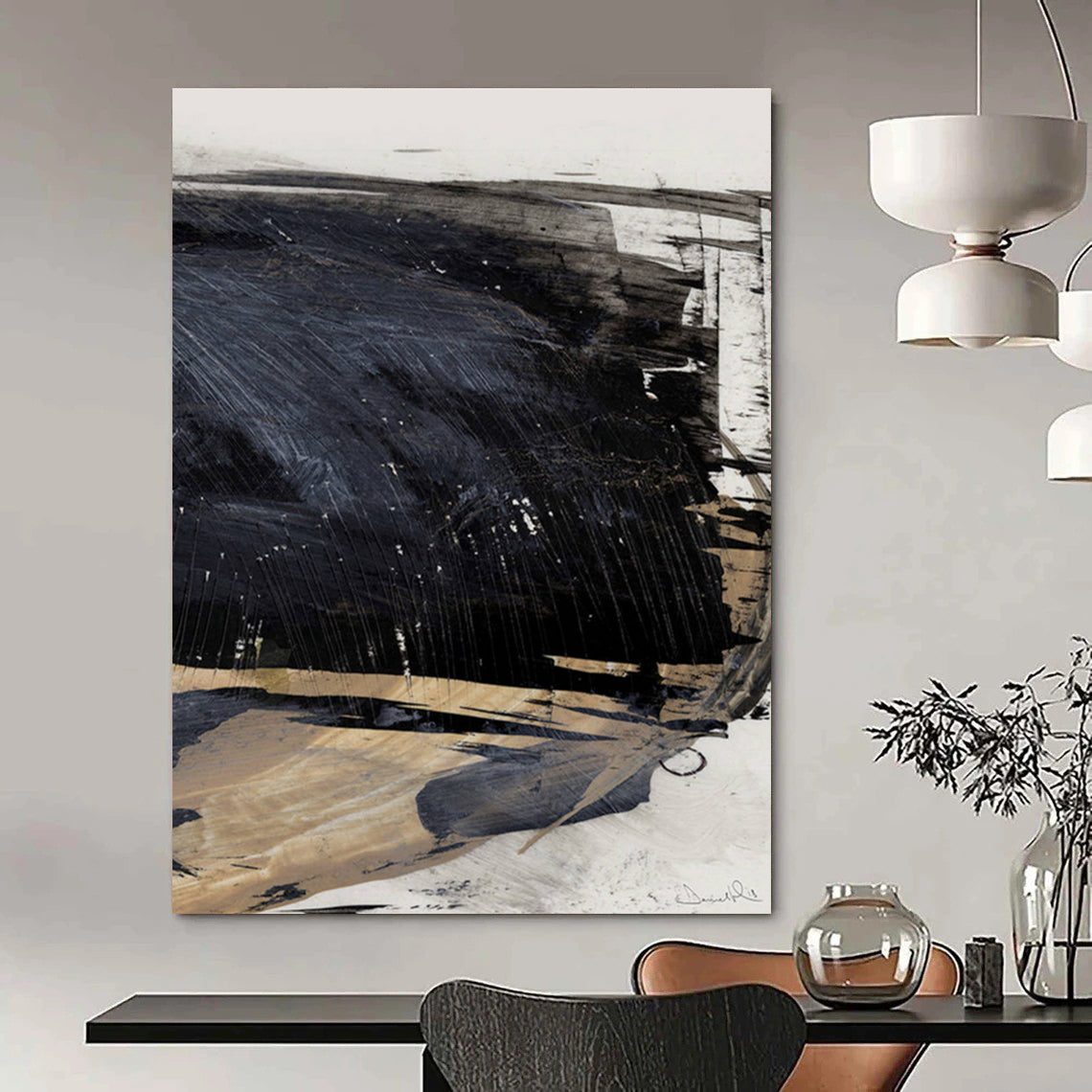

Landscape painting stands as one of the most beloved and enduring domains in art, showcasing the beauty, diversity, and emotional power of the natural world. From ancient murals to contemporary canvases, the depiction of nature has evolved through varied styles, techniques, and cultural perspectives. This article explores the history, main artistic techniques, and prominent styles of landscape painting, highlighting key artists and movements that have shaped this genre.
For an exquisite selection of landscape artworks, visit Landscape Paintings.

A Glimpse into the History of Landscape Painting
Landscape as an artistic subject has occupied a unique position across cultures and centuries. Early Western traditions often used landscapes as backgrounds to religious or historical narratives. However, as early as the Renaissance, scenes of nature gained prominence in their own right.
The 16th century saw pioneering efforts by artists such as Joachim Patinir, credited with the development of the "world landscape"—a panoramic view featuring vast terrains and small figures, typically from a high vantage point. Northern European artists like Pieter Brueghel the Elder further perfected this expansive style.
In the 17th century, the classical landscape genre emerged, influenced by idealized visions of Arcadia, a pastoral paradise from ancient Greek poetry. French artists Nicolas Poussin and Claude Lorrain exemplified this style with carefully balanced compositions expressing harmony and timeless beauty. Explore more on classical landscapes in the Getty Education on Landscapes.
The 19th century witnessed a dramatic rise in popularity and innovation. The Hudson River School, led by Thomas Cole and Albert Bierstadt, emphasized grand, majestic views of the American wilderness, often with romantic and spiritual undertones. Meanwhile, plein air painting gained momentum, encouraging artists to capture natural light and atmosphere firsthand.

Essential Techniques in Landscape Painting
Landscape art offers a rich variety of techniques suited to different effects and intentions:
-
Realism involves detailed observation and representation, aiming for faithful depictions of nature’s textures and forms.
-
Impressionism, as popularized by Claude Monet and other French painters, focuses on capturing the fleeting effects of light and color with loose brushwork.
-
Classical techniques prioritize balanced composition, perspective, and harmonious arrangement of elements in the scene.
-
Abstract and contemporary approaches experiment with form, color, and mood, sometimes moving away from recognizable scenes to convey emotional or conceptual ideas.
Artists often sketch outdoors and use studies in oils, watercolors, or drawings to create finished works in the studio. The development of portable paints and easels in the 19th century greatly facilitated outdoor painting, which became a cornerstone of movements like Impressionism.
Notable Landscape Painters and Their Contributions
Several artists have left a lasting legacy in landscape painting through innovation and mastery:
-
Joachim Patinir (16th century) introduced world landscapes with panoramic compositions.
-
Nicolas Poussin and Claude Lorrain refined classical landscapes epitomizing ideal beauty.
-
Thomas Cole and Albert Bierstadt of the Hudson River School captured the grandeur of American landscapes.
-
John Constable portrayed the English countryside with naturalistic charm.
-
Caspar David Friedrich infused Romantic landscapes with emotion and spirituality.
-
Claude Monet revolutionized landscape with Impressionism, highlighting light and color shifts.
-
Peter Doig presents contemporary, dreamlike landscapes blending memory and imagination.
For insights and famous examples, read 10 Famous Landscape Paintings You Should Know.
Landscape Painting Today
Today, landscape painting embraces a wide spectrum—from faithful realism to abstract interpretations. Contemporary artists continue to explore environmental themes and new visual languages. Resources like 10 Landscape Painters Today You Need To Know highlight influential modern practitioners shaping the genre’s future.
Frequently Asked Questions (FAQ)
What is landscape painting?
Landscape painting is an art form that depicts natural scenery such as mountains, rivers, forests, and valleys.
Who are important artists in landscape painting history?
Influential painters include Joachim Patinir, Nicolas Poussin, Thomas Cole, Albert Bierstadt, John Constable, Caspar David Friedrich, and Claude Monet.
What are common landscape painting techniques?
Common techniques range from realistic detail to impressionistic light effects and abstract forms.
How did landscape painting evolve?
Starting as backgrounds for other subjects, landscapes gained prominence during the Renaissance, flourished in the classical and romantic periods, and diversified with Impressionism and contemporary art.
Where can I find good landscape paintings?
Explore curated collections such as Landscape Paintings.