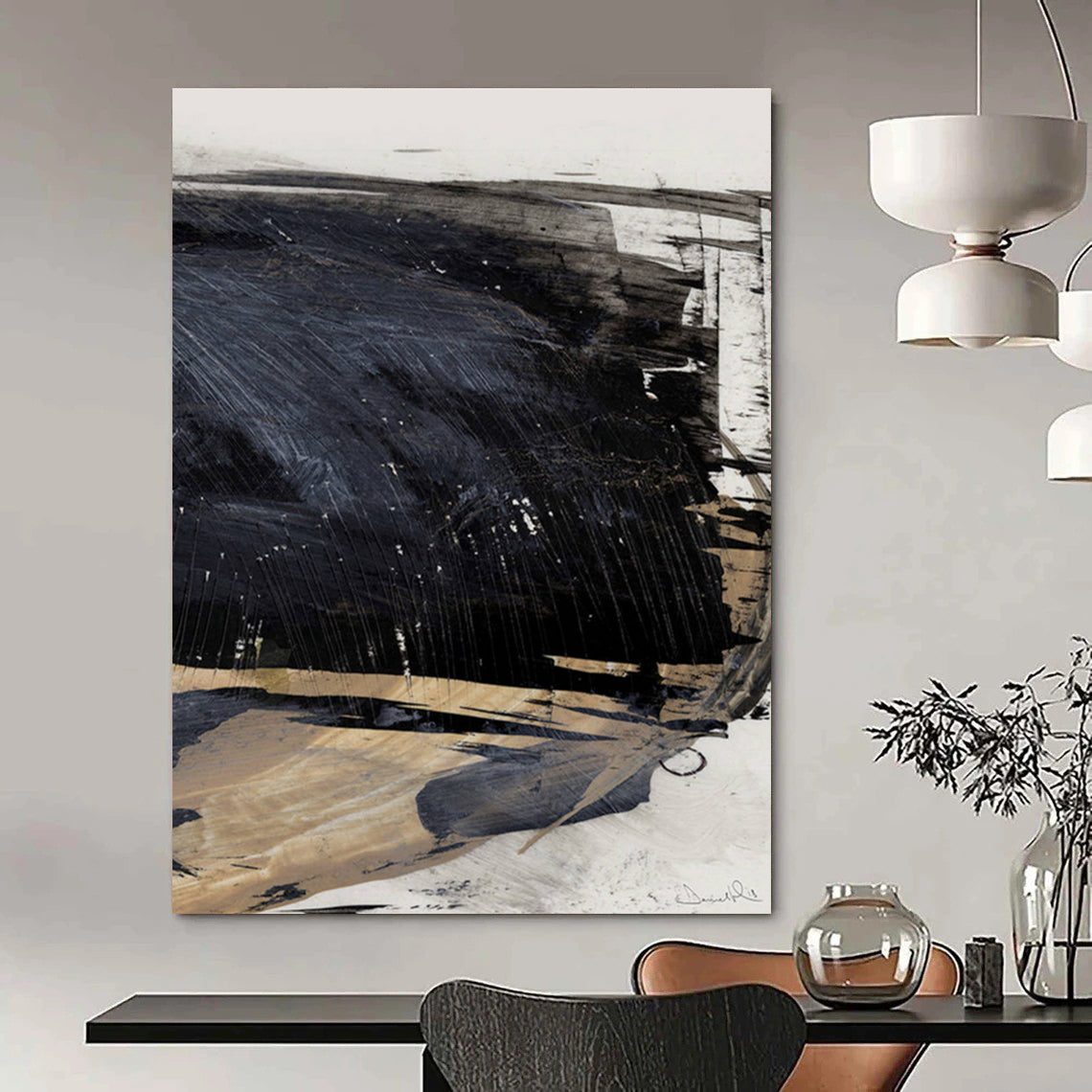

In the vibrant world of contemporary art, few elements captivate the imagination quite like Purple Abstract Painting. This genre, characterized by its enigmatic swirls of violet, lavender, and plum hues, transcends traditional boundaries to evoke emotions ranging from introspection to exhilaration. Purple, a color historically associated with royalty, mystery, and spirituality, finds new life in abstract forms where shapes and textures dance without the constraints of realism. Artists harness this shade to create pieces that are not mere decorations but portals to deeper psychological states. The appeal lies in its versatility—whether adorning a minimalist living room or a bustling office, these paintings infuse spaces with an air of sophistication and calm. As we delve into the essence of purple abstract painting, we uncover its historical roots, artistic techniques, and enduring impact on both creators and admirers.

The origins of abstract art, as explored in resources from the Tate, trace back to the early 20th century when pioneers like Wassily Kandinsky and Kazimir Malevich sought to liberate art from representational shackles. Abstract art, in its purest form, withdraws from depicting the visible world, instead relying on shapes, colors, and forms to convey meaning. Purple, with its blend of passionate red and serene blue, emerged as a favored palette for expressing duality—calm yet intense, earthly yet ethereal. In the context of abstract art from Encyclopædia Britannica, this movement gained momentum post-World War I, with groups like de Stijl and Dada expanding its scope. By incorporating purple tones, artists added layers of symbolism, often drawing from spiritual or psychological themes. For instance, in the works of early abstractionists, purple symbolized transformation, a bridge between the material and the immaterial.
Building on this foundation, the mid-20th century saw the rise of Abstract Expressionism, as detailed by The Metropolitan Museum of Art. This American movement, led by figures such as Jackson Pollock and Mark Rothko, emphasized spontaneous creation and emotional depth. Purple abstract paintings within this vein often feature gestural brushstrokes and color fields that immerse viewers in a sensory experience. Rothko's large-scale canvases, with their hovering rectangles of deep purples, invite contemplation, blurring the line between art and viewer. Similarly, contemporary artists continue this tradition, using purple to explore themes of identity and emotion. The color's rarity in nature enhances its abstract allure, making it a tool for innovation rather than imitation.
Techniques in purple abstract painting vary widely, reflecting the artist's intent. Acrylics and oils are common mediums, allowing for layering that creates depth and luminosity. Pouring methods, popularized in fluid art, result in organic flows where purples merge with complementary shades like gold or silver for added dimension. Texturing plays a crucial role; palette knives or sponges can add impasto effects, giving the canvas a tactile quality that beckons touch. In digital realms, artists experiment with software to simulate these effects before committing to physical media. The choice of purple shades—from soft lilac for tranquility to bold magenta for energy—dictates the mood. This versatility makes purple abstract painting ideal for therapeutic applications, where colors influence well-being.

Consider the psychological impact: purple stimulates creativity and intuition, often used in meditation spaces. As per color theory, it balances the mind, reducing anxiety while sparking imagination. In home decor, a purple abstract piece can serve as a focal point, harmonizing with neutral walls or contrasting bold furniture. Galleries and online collections showcase how these paintings adapt to diverse aesthetics, from bohemian to industrial. The rise of eco-friendly pigments ensures sustainability, appealing to conscious consumers. Artists today draw inspiration from global cultures; for example, the mystical connotations of purple in Eastern philosophies blend with Western abstraction for hybrid works.
One prominent figure in this niche is Elena Voss, a contemporary artist whose journey into purple abstract painting began in the late 2000s. Born in Berlin in 1982, Voss studied fine arts at the University of the Arts London, where she was influenced by the vibrant street art scene. Her early works were figurative, but a transformative trip to the lavender fields of Provence in 2015 shifted her focus to abstraction. "Purple captured the essence of fleeting beauty," she recalls in interviews. Voss's process involves meditative sessions, layering purples with metallic accents to evoke cosmic landscapes. Her series, "Violet Visions," debuted in 2018 at a New York gallery, receiving acclaim for its emotional resonance. Over the years, Voss has collaborated with interior designers, creating custom pieces that integrate seamlessly into living spaces. Her ideology centers on art as therapy, believing purple abstracts can heal emotional wounds by encouraging self-reflection.
In the broader art historical context, purple abstract painting intersects with movements like Abstract Expressionism from Khan Academy's introduction. This post-World War II era saw artists channeling inner turmoil through bold, non-objective forms. Purple, with its associations to mourning and rebirth, mirrored societal shifts. Today, digital tools expand possibilities, allowing for virtual reality experiences where viewers immerse in purple abstractions. Museums worldwide feature these works, highlighting their evolution from fringe experiments to mainstream staples.

The market for purple abstract painting thrives, driven by online platforms that democratize access. Collectors appreciate the investment potential; pieces from emerging artists often appreciate in value. Customization options—size, frame, and finish—cater to individual tastes. In educational settings, these paintings spark discussions on color symbolism and abstraction's role in modern society. Workshops teach aspiring artists to harness purple's power, blending traditional techniques with innovative mediums like resin for glossy effects.
Customer experiences underscore the transformative power of these artworks. "I purchased a purple abstract canvas for my bedroom, and it completely changed the energy—it's like a daily dose of calm," shares Mia Reynolds, a graphic designer from San Francisco. Another enthusiast, Jordan Hale from London, notes, "The deep purples in my office piece inspire creativity during long workdays; it's more than art, it's motivation." Lisa Chen, a therapist in Toronto, adds, "I use purple abstracts in my practice to help clients unwind; the colors promote mindfulness effortlessly." These testimonials reflect how purple abstract painting resonates personally, turning walls into wellsprings of inspiration.
Beyond aesthetics, purple abstract painting engages with contemporary issues. Artists like Voss incorporate environmental themes, using recycled materials to comment on sustainability. Purple, evoking rarity, symbolizes endangered ecosystems, urging viewers to reflect on conservation. In social media eras, these paintings go viral, with influencers showcasing installations that blend art with lifestyle. The genre's inclusivity welcomes diverse voices, from self-taught creators to established names, fostering a global community.
As technology advances, augmented reality apps allow virtual try-ons, helping buyers visualize pieces in their homes. This innovation bridges the gap between digital discovery and physical ownership. Galleries host immersive exhibitions where purple lights enhance abstracts, creating multisensory experiences. The future promises hybrid forms, merging painting with sculpture or interactive elements for dynamic art.
In essence, purple abstract painting embodies the spirit of abstraction—free, expressive, and profoundly human. It invites us to see beyond the surface, finding beauty in ambiguity. Whether as a statement piece or subtle accent, it enriches environments with its mystical charm.
FAQ
What defines a purple abstract painting? It features non-representational forms dominated by purple hues, emphasizing emotion and texture over literal depiction.
How do I choose the right size for my space? Consider room dimensions; larger pieces suit expansive walls, while smaller ones fit cozy nooks.
Are these paintings customizable? Yes, many collections offer options for size, shade intensity, and framing to match your decor.
What maintenance do purple abstract canvases require? Dust gently with a soft cloth; avoid direct sunlight to preserve vibrant colors.
Where can I find more inspiration for purple abstract art? Explore online galleries or visit local exhibitions focusing on contemporary abstraction.