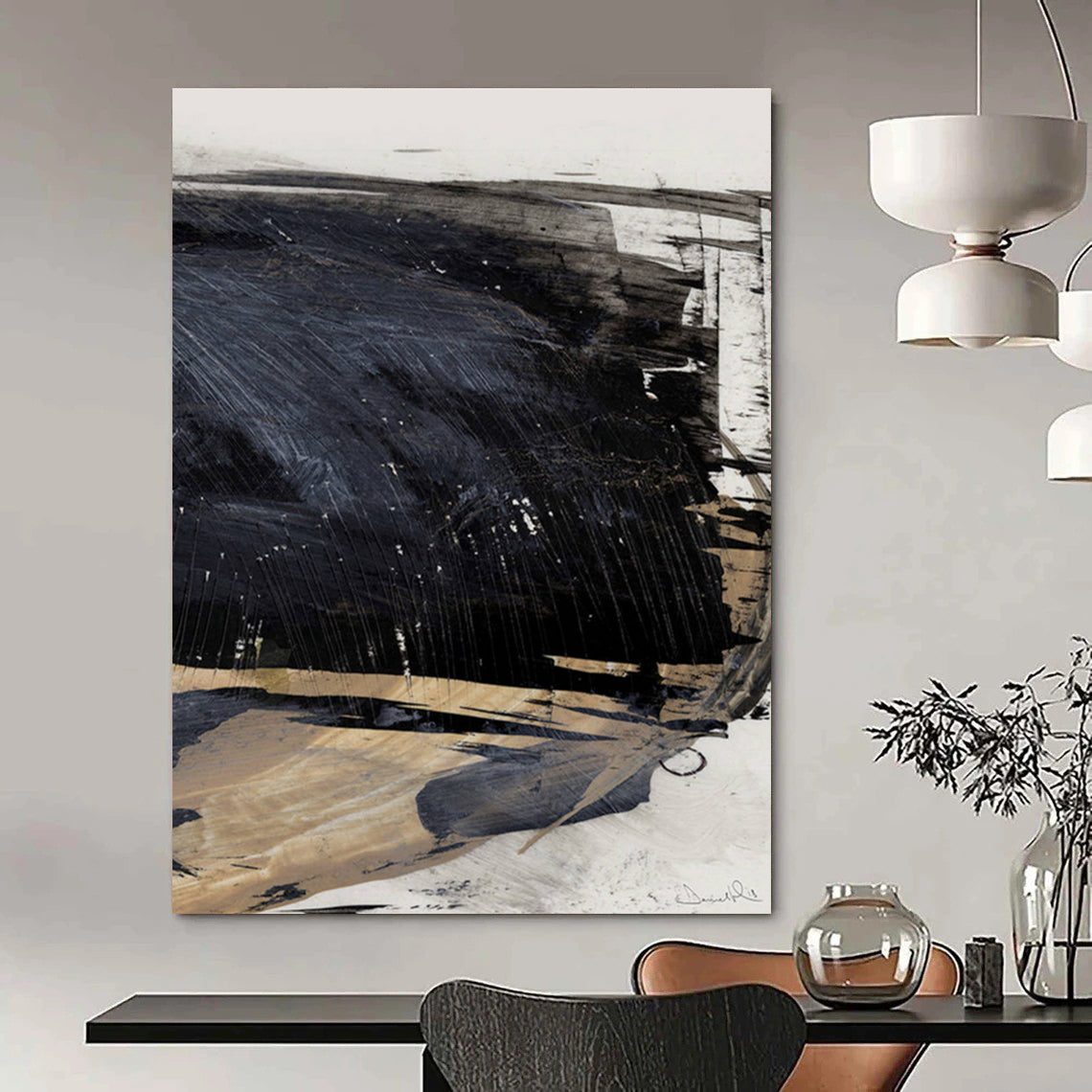

In the realm of home decor, few elements hold as much transformative power as wall art. The living room, often the heart of a home where family gathers and guests are entertained, deserves pieces that not only fill blank walls but also infuse personality, color, and narrative into the space. Exploring the world of Living Room Wall Art reveals a vast array of options, from bold abstracts to serene landscapes, each capable of elevating the ambiance and reflecting the inhabitant's style. This guide delves into the intricacies of selecting, styling, and appreciating wall art for your living room, drawing on timeless principles and contemporary trends to help you create a cohesive and captivating environment.

The journey begins with understanding the role of wall art in interior aesthetics. Wall art serves as a focal point, drawing the eye and anchoring the room's design. Whether it's a large canvas dominating one wall or a gallery of smaller prints, the right selection can tie together furniture, lighting, and textiles. In modern interior design, professionals emphasize balance and proportion—ensuring the artwork complements the room's scale without overwhelming it. For instance, in a spacious living room with high ceilings, oversized pieces can add drama, while in cozier settings, clustered arrangements foster intimacy. The key is to consider the room's function: a lively family space might benefit from vibrant, energetic art, whereas a formal lounge could lean toward sophisticated, muted tones.
Diving deeper into styles, abstract art stands out as a versatile choice for living rooms. This genre, which prioritizes form, color, and texture over literal representation, allows for personal interpretation and emotional resonance. Imagine a swirling composition of blues and golds that evokes a sense of calm amidst the chaos of daily life. Such pieces are ideal for contemporary homes, where they can spark conversation and add a layer of intellectual depth. Historically, abstract art emerged in the early 20th century as artists sought to break free from traditional depictions, influenced by rapid industrialization and philosophical shifts. Today, it remains popular in living room settings because of its adaptability—pairing seamlessly with minimalist furniture or eclectic decor.
Color plays a pivotal role in wall art selection, guided by principles of color theory. This foundational concept explores how hues interact, evoke emotions, and influence spatial perception. For living rooms, warm colors like reds and oranges can energize the space, making it feel welcoming and dynamic, while cool blues and greens promote relaxation and tranquility. A well-chosen piece might incorporate a palette that echoes the room's existing scheme, creating harmony, or introduce contrasting accents for visual interest. Artists often draw on these theories to craft works that not only beautify but also psychologically enhance the environment. When browsing collections, look for art that aligns with your desired mood—perhaps a fiery sunset-inspired canvas for a passionate vibe or soft pastels for serenity.

Beyond aesthetics, cultural and philosophical elements can inform your choices. Incorporating principles from feng shui, the ancient Chinese practice of harmonizing energy, can guide placement and selection. In feng shui, wall art should promote positive chi flow; for example, images of nature or flowing water on the north wall might enhance career prospects, while mountain scenes on the south could bolster fame. This approach encourages mindful curation, ensuring the art contributes to the room's overall energy. Many homeowners find that aligning decor with such philosophies not only beautifies the space but also fosters a sense of well-being and balance.
For those drawn to historical influences, exploring collections from renowned institutions like the Metropolitan Museum of Art's collection can inspire. This vast repository spans centuries and cultures, offering insights into how art has evolved to adorn living spaces. From Renaissance tapestries to modern prints, the Met's holdings demonstrate the enduring appeal of wall decor in domestic settings. Drawing inspiration from such sources, contemporary living room wall art often reinterprets classic motifs with a fresh twist, blending tradition with innovation.
Modernism, as explored in resources from the Tate, further shapes today's wall art trends. This movement, characterized by experimentation and rejection of ornamentation, paved the way for clean-lined, impactful pieces that suit urban living rooms. Modernist art emphasizes simplicity and functionality, making it perfect for spaces where less is more. Think geometric patterns or monochromatic schemes that add sophistication without clutter. In applying modernist principles, homeowners can create galleries that feel curated and intentional, turning walls into extensions of personal expression.
When selecting living room wall art, material and quality matter immensely. Canvas prints, for example, offer durability and a gallery-like finish, often hand-painted or digitally reproduced with high-fidelity inks. Opt for pieces on premium cotton canvas to ensure longevity and vibrancy. Framing options—whether sleek metal for a modern look or ornate wood for traditional elegance—can enhance the artwork's impact. Customization is another boon; many providers allow size adjustments to fit awkward wall spaces, ensuring a perfect match.

Styling tips abound for integrating art effectively. Start by measuring your walls and considering sight lines—art should hang at eye level, about 57-60 inches from the floor to the center. For gallery walls, mix sizes and orientations for visual dynamism, but maintain a unifying theme, such as color or subject matter. Lighting is crucial; spotlights or picture lights can highlight textures and colors, transforming the art after dark. Seasonal rotations keep the space fresh—swap summery florals for autumnal abstracts to reflect changing moods.
The market for living room wall art is diverse, catering to budgets from affordable prints to investment pieces. Online collections make discovery easy, with filters for style, color, and theme. Emerging artists bring unique voices, often incorporating sustainable materials like recycled canvases or eco-friendly paints. Supporting these creators not only enriches your home but also contributes to the art community.
Psychologically, wall art influences mood and productivity. Studies suggest that surrounding oneself with inspiring visuals can reduce stress and boost creativity, making it essential for living rooms that double as home offices or relaxation zones. Personal stories abound: a family portrait gallery fosters connection, while motivational quotes in artistic fonts encourage daily positivity.
Trends in 2025 lean toward personalization and technology integration. Augmented reality apps let you visualize art in your space before purchase, while smart frames display rotating digital collections. Sustainable art, using biodegradable materials, appeals to eco-conscious consumers. Bold, oversized murals continue to rise, turning walls into statement features.
Ultimately, choosing living room wall art is an act of self-expression. It tells your story, sets the tone, and invites others into your world. Whether drawn to abstracts, landscapes, or portraits, the right pieces can make a house feel like home.
FAQ
What types of wall art are best for small living rooms? Opt for lighter colors and smaller scales to avoid overwhelming the space; mirrors or metallic accents can create illusions of depth.
How do I choose colors for living room wall art? Match or complement your existing palette; use color wheels to find harmonious schemes that enhance the room's mood.
Can wall art be customized? Yes, many providers offer size, color, and even design tweaks to fit your vision perfectly.
What is the ideal height to hang wall art? Center it at 57-60 inches from the floor for optimal viewing.
How do I maintain wall art? Dust gently with a soft cloth; avoid direct sunlight to prevent fading, and consider UV-protective glass for framing.
Is wall art a good investment? High-quality pieces from reputable artists can appreciate in value, especially limited editions or originals.
(Word count: approximately 1520)