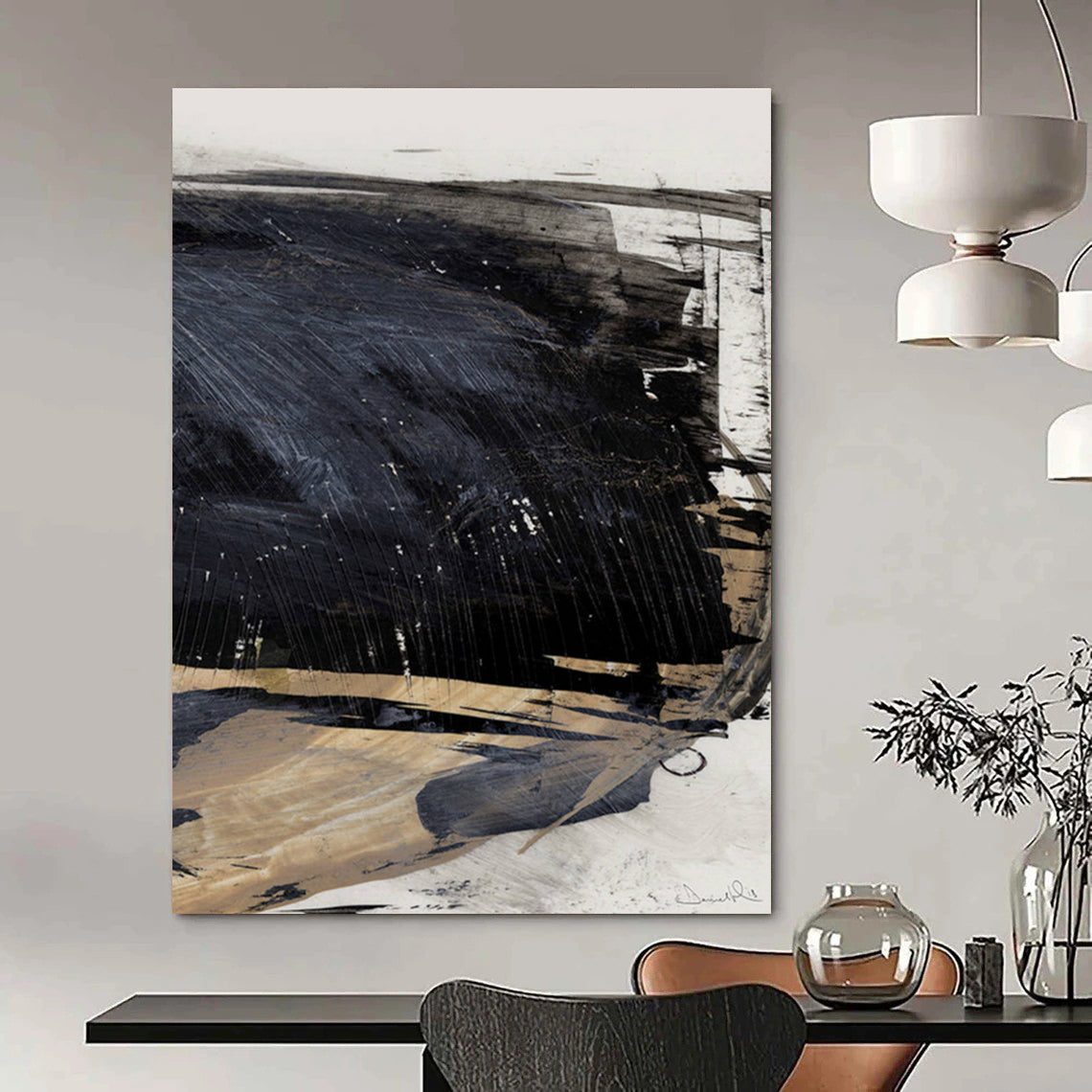

Painting is a timeless form of expression that allows artists to capture emotions, landscapes, portraits, and abstract ideas on canvas or paper. With so many mediums available, beginners and experienced artists alike often find themselves pondering: which paint is right for me? Oil, acrylic, or watercolor? Each has its unique characteristics, advantages, and challenges that can influence your creative process, final artwork, and even your lifestyle as an artist. In this comprehensive guide, we'll dive deep into the world of these three popular paint types, exploring their histories, properties, pros and cons, required tools, and tips for getting started. Whether you're a hobbyist looking to unwind or an aspiring professional, understanding these mediums will help you make an informed choice tailored to your goals and preferences.

Understanding the Basics of Paint Mediums
Before we delve into specifics, it's essential to grasp what sets oil, acrylic, and watercolor paints apart. At their core, all paints consist of pigments suspended in a binder. The binder determines how the paint behaves, dries, and interacts with surfaces. Oil paints use oils like linseed or safflower as binders, allowing for slow drying and rich blending. Acrylic paints rely on a water-based polymer emulsion that dries quickly to a plastic-like finish. Watercolor paints, on the other hand, use gum arabic as a binder and are diluted with water for translucent effects. These differences affect everything from application techniques to cleanup, making each medium suited to different styles and environments.
Historically, oil paints have been favored by masters like Leonardo da Vinci and Rembrandt for their depth and luminosity. Acrylics emerged in the mid-20th century as a modern alternative, popularized by artists like Andy Warhol for their versatility. Watercolors, with roots in ancient Egypt and Renaissance Europe, are beloved for their portability and ethereal quality, as seen in works by J.M.W. Turner. Now, let's break down each medium in detail.
Oil Paints: The Classic Choice for Depth and Durability
Oil paints are renowned for their rich, buttery texture and ability to create lifelike depth in artworks. Made from pigments ground in drying oils, they dry through oxidation rather than evaporation, which can take days, weeks, or even months depending on the thickness of application and environmental factors. This slow drying time is a double-edged sword but allows for extensive blending and layering, making oils ideal for realistic portraits, still lifes, and landscapes where subtle transitions are key.
Pros of Oil Paints
- Superior Blending and Workability: You can work on a painting over multiple sessions, blending colors seamlessly for smooth gradients and realistic effects.
- Vibrant Colors and Longevity: Oils retain their brilliance over time and are highly archival, resisting fading and cracking when properly varnished.
- Versatile Techniques: From impasto (thick, textured applications) to glazing (thin, transparent layers), oils support a wide range of styles.
- Easy to Correct Mistakes: Wet paint can be easily wiped off or blended away, and dried layers can be painted over without much issue.
Cons of Oil Paints
- Long Drying Time: This can be frustrating for impatient artists or those working in humid environments, where drying might take even longer.
- Higher Cost and Maintenance: Quality oils are expensive, and you'll need solvents like turpentine for thinning and cleaning, which can be toxic and require good ventilation.
- Messy and Less Portable: The need for palettes, mediums, and proper storage makes oils less ideal for on-the-go painting.
- Health Concerns: Fumes from solvents can be harmful, so water-mixable oils are a safer alternative for some.
Essential Tools for Oil Painting
To get started with oils, you'll need a set of brushes (natural bristle for better pigment hold), a palette (wooden or glass), canvases or panels, mediums like linseed oil for flow, and odorless mineral spirits for cleanup. A basic color palette might include titanium white, cadmium yellow, alizarin crimson, ultramarine blue, and burnt umber.
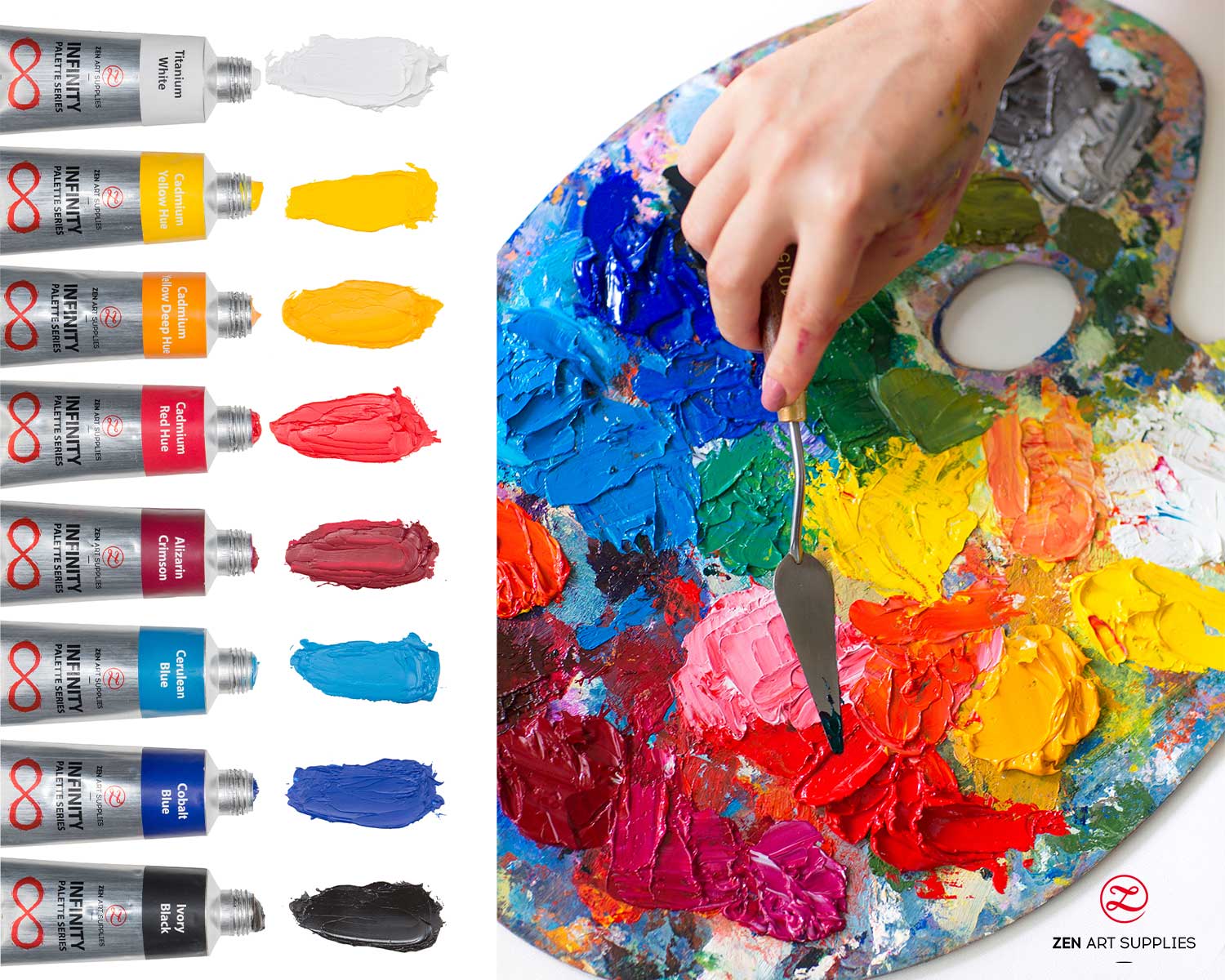
For inspiration, consider this stunning example of a realistic oil painting, showcasing the medium's ability to capture light and texture.
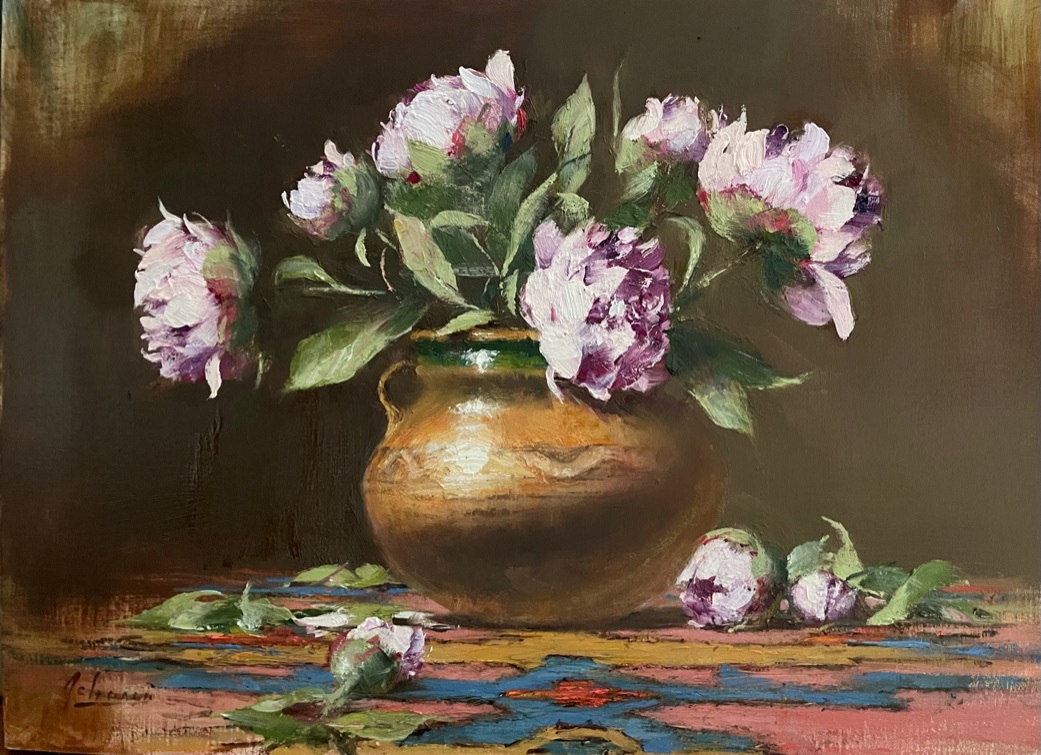
Acrylic Paints: The Versatile and Fast-Drying Modern Marvel
Acrylic paints burst onto the art scene in the 1950s and have since become a favorite for their speed and adaptability. These water-soluble paints dry quickly via evaporation, forming a durable, flexible film that's water-resistant once set. They're perfect for artists who enjoy layering quickly or experimenting with mixed media, as they can mimic both oil and watercolor effects with the right techniques.
Pros of Acrylic Paints
- Quick Drying: Layers dry in minutes, allowing for rapid building of artwork without long waits.
- Affordability and Accessibility: Cheaper than oils, with easy water-based cleanup—no harsh solvents needed.
- Versatility: Can be thinned for watercolor-like washes or thickened for impasto effects; works on various surfaces like canvas, wood, or paper.
- Durability: Once dry, acrylics are permanent, flexible, and resistant to cracking, making them great for outdoor or functional art.
Cons of Acrylic Paints
- Limited Blending Time: Fast drying means you have to work quickly, which can be challenging for detailed blending.
- Color Shift: Colors may darken slightly as they dry, requiring practice to predict outcomes.
- Less Vibrant Than Oils: While bright, they don't achieve the same depth or luminosity without additives.
- Plastic-Like Finish: Some artists find the sheen less "organic" compared to oils.
Essential Tools for Acrylic Painting
Synthetic brushes are ideal for acrylics as they hold up to water better. You'll also need a stay-wet palette to prevent drying, acrylic mediums for extending drying time or adding texture, and surfaces like canvas boards. A starter set might include primary colors plus black and white.

Here's a vibrant example of an acrylic painting, highlighting the medium's bold colors and dynamic composition.
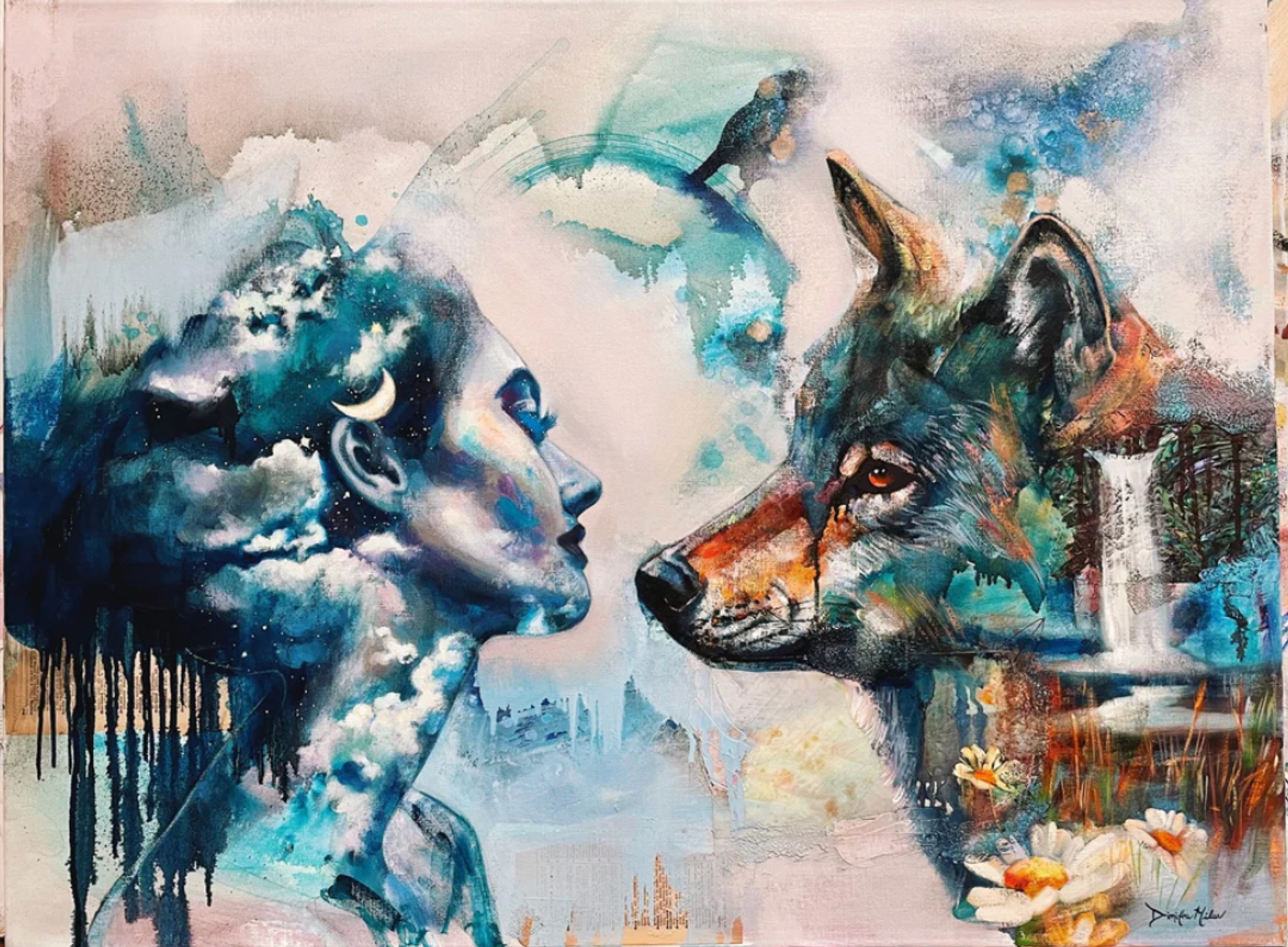
Watercolor Paints: The Ethereal and Portable Option
Watercolor paints offer a delicate, transparent quality that's unmatched for capturing light and fluidity. Pigments are bound in gum arabic and activated with water, allowing for washes that bleed and blend organically on paper. This medium excels in landscapes, florals, and illustrations where spontaneity and subtlety shine, but it requires planning as mistakes are hard to correct.
Pros of Watercolor Paints
- Portability and Simplicity: Easy to pack for plein air painting; minimal setup with just paper, brushes, and a water container.
- Quick Setup and Cleanup: Water-based, so no odors or toxins; ideal for small spaces or travel.
- Unique Effects: Translucency creates luminous, ethereal results; techniques like wet-on-wet produce beautiful blooms.
- Cost-Effective for Beginners: Basic sets are inexpensive, and you can achieve much with limited colors.
Cons of Watercolor Paints
- Unforgiving Nature: Hard to cover mistakes; requires light-to-dark layering and careful planning.
- Fragility: Finished works need protection from moisture and light; not as durable as oils or acrylics.
- Less Saturated Colors: Can appear washed out compared to opaque mediums; mark-making is limited.
- Paper Dependency: Requires high-quality watercolor paper to avoid buckling.
Essential Tools for Watercolor Painting
Round synthetic or sable brushes for precision, cold-pressed paper for texture, a palette for mixing, and clean water jars. Start with a pan set including warm and cool primaries.

Admire this delicate watercolor painting, illustrating the medium's soft gradients and transparency.
Comparing Oil, Acrylic, and Watercolor: Key Differences
To help you decide, here's a side-by-side comparison:
| Aspect | Oil Paints | Acrylic Paints | Watercolor Paints |
|---|---|---|---|
| Drying Time | Slow (days to months) | Fast (minutes) | Fast (minutes, but paper dries slow) |
| Binder | Drying oils | Polymer emulsion | Gum arabic |
| Cleanup | Solvents (turpentine) | Water | Water |
| Best For | Realistic, blended works | Versatile, quick projects | Ethereal, portable sketches |
| Cost | High | Medium | Low |
| Durability | Excellent (archival) | Good (flexible) | Fair (needs protection) |
| Ease for Beginners | Moderate (learning curve) | Easy (forgiving) | Challenging (unforgiving) |
As seen in comparative experiments, each medium can recreate the same subject differently, with oils offering depth, acrylics speed, and watercolors lightness.
How to Choose the Right Paint for You
Your choice depends on your style, patience, budget, and environment. If you love detailed, long-term projects and don't mind the mess, go for oils. For quick, experimental art in a clean space, acrylics are ideal. If portability and subtle beauty appeal to you, try watercolors. Experimentation is key—many artists mix mediums, like using acrylic underpaintings for oils. Start small with a beginner's set and take classes or watch tutorials to build confidence.
In conclusion, there's no "best" paint—only the one that resonates with your creative spirit. Dive in, make mistakes, and discover your medium.
FAQ
What is the easiest paint for beginners?
Acrylics are often recommended for beginners due to their fast drying time, easy cleanup, and forgiving nature.
Can I switch between mediums easily?
Yes, many artists work in multiple mediums. Skills like color theory transfer well, but each requires practice with its unique handling.
Are oil paints toxic?
Traditional oils use solvents that can be harmful, but water-mixable oils eliminate this issue while retaining similar properties.
How do I store unfinished paintings?
For oils, cover with plastic; acrylics dry fast so work in sessions; watercolors should be kept flat to avoid warping.
Which medium is best for outdoor painting?
Watercolors for portability, or acrylics for quick drying in varying weather.
Do I need expensive supplies to start?
No—start with student-grade paints and build up as you progress. Quality paper or canvas is more crucial for watercolors and oils.